The Tucson sun bakes the desert, and its intense heat puts a unique strain on roofs. With various roofing styles-from tile to foam, shingle to flat-homeowners and investors need to understand how each is inspected in this arid climate. A thorough roof inspection is crucial for identifying potential issues, ensuring safety, and making informed decisions, whether buying, selling, or maintaining. This article guides you through the process, highlighting the specific checks needed for each roof type, including a close look at the essential foam roof coating check, crucial for protecting against the elements. By the end, you'll be equipped to navigate Tucson's roofing landscape with confidence.
- Understanding Tucson Roof Types: Tile, Foam, Shingle, Flat
- Inspection Procedures: Step-by-Step Guides for Each Style
- Specialized Checks: Foam Roof Coating and Beyond
Understanding Tucson Roof Types: Tile, Foam, Shingle, Flat
Tucson, with its distinct climate and diverse architectural styles, presents unique challenges and considerations for roof inspections. The city's common roof types-tile, foam, shingle, and flat-each require specific attention to ensure optimal performance and longevity. Understanding these variations is crucial for homeowners, buyers, and even professionals, as it dictates the inspection process and potential issues to look for.
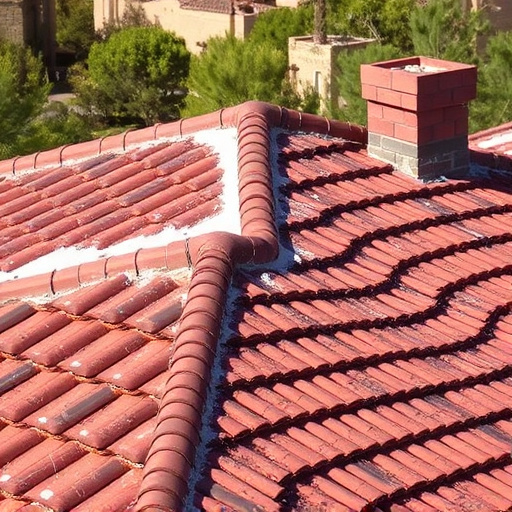
Tile Roofs: Tile roofs are a prevalent feature in Tucson, known for their durability and aesthetic appeal. During an inspection, experts will scrutinize the tiles for any cracked or broken pieces, ensuring proper placement and alignment. The underlayment, often a foil or synthetic material, should be in excellent condition, as it's a critical barrier against moisture. Flashing, the material around roof penetrations, is also essential to check, as it prevents water intrusion. A local Tucson roofing company might recommend inspecting tile roofs for signs of coating wear, especially in areas exposed to intense sunlight.
Foam Roofs: Foam roofs, a popular choice for their energy efficiency, present a different set of inspection criteria. The primary focus here is on the integrity of the foam coating. Inspectors will look for any signs of wear, cracks, or blisters, as these could indicate structural issues. Proper installation and adherence to local building codes are paramount. A licensed roofer in Tucson might suggest that, unlike tile roofs, foam roofs may require more frequent visual checks due to their sensitivity to certain environmental conditions, such as extreme temperatures and moisture fluctuations.
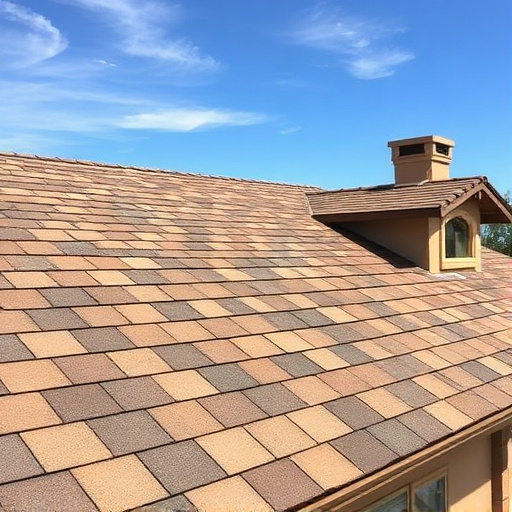
Shingle Roofs: Shingle roofs, common in many parts of the country, are also found in Tucson. During an inspection, look for loose or missing shingles, which can be a sign of wind or hail damage. The underlayment should be in good order, and the inspection should include a check for adequate ventilation, crucial for maintaining the roof's overall health. As with any roof, flashing must be secure to prevent leaks. Homeowners should be aware that shingles are susceptible to UV damage and may require replacement after a certain number of years, varying by material.
Flat Roofs: Flat roofs, while less common in Tucson, still require specialized attention. The primary focus here is drainage, ensuring water flows away from the building effectively. Inspectors will look for any blockages, proper slope, and the condition of the drainage system. Moisture detection is also vital to prevent potential structural problems. After the removal of a swamp cooler, a professional might need to inspect the roof for any resulting moisture changes or leaks. In historic homes, flat roofs may have unique construction details that require specialized knowledge for a thorough inspection.
Inspection Procedures: Step-by-Step Guides for Each Style
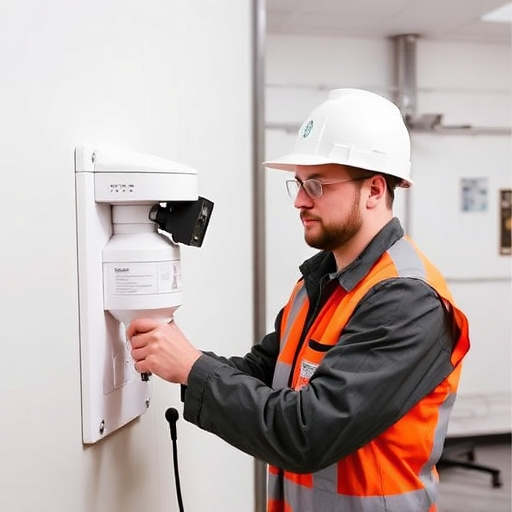
In Tucson, with its unique climate and diverse roofing styles, a thorough inspection is crucial. Let's break down the step-by-step process for each common roof type: tile, foam, shingle, and flat.
Tile Roof Inspection: Start by examining the tile for loose, damaged, or missing pieces. Check the underlayment for any signs of wear or moisture intrusion. Look for proper drainage by inspecting the flashings and gutters. A roofing contractor serving Tucson and Oro Valley may use a moisture meter to test for leaks, especially in areas with heavy clay tile. The inspector should also assess the condition of the roof's sealants and caulk, which are vital for preventing water penetration.
Foam Roof Coating Check: For foam roofs, the focus shifts to the coating's integrity. Inspect for any blisters, cracks, or peeling of the coating. Check the underlying structure for signs of structural damage or settling. As foam roofs are particularly susceptible to moisture, a thorough check for leaks and proper ventilation is essential. The inspector may also look for evidence of proper insulation beneath the coating, crucial for energy efficiency and preventing heat transfer.
Shingle Roof Inspection: Shingle roofs demand a systematic approach. Look for missing, curled, or damaged shingles. Examine the underlayment for any signs of wear and check the flashing at valleys and chimneys for proper sealing. A crucial step is to inspect the roof's drainage system, ensuring water flows away from the structure. The inspector will also assess the condition of the shingles' granule coverage, which can indicate remaining lifespan.
Flat Roof Inspection: Parapets and drainage systems are key on flat roofs. Inspect the parapet walls for any damage or signs of water leakage. Check for proper drainage by examining the scuppers and downspouts. Look for cracks or blisters in the roof membrane and inspect for signs of mold or mildew, especially in areas with poor ventilation. A roofing contractor may use a moisture meter to detect any hidden leaks, a common concern with flat roofs.
In each case, the inspector should detail their findings in a comprehensive report, including photos and recommendations. Regular inspections, especially before monsoon season and after extreme weather events, can help homeowners and property managers maintain their roofs and avoid costly repairs.
Specialized Checks: Foam Roof Coating and Beyond
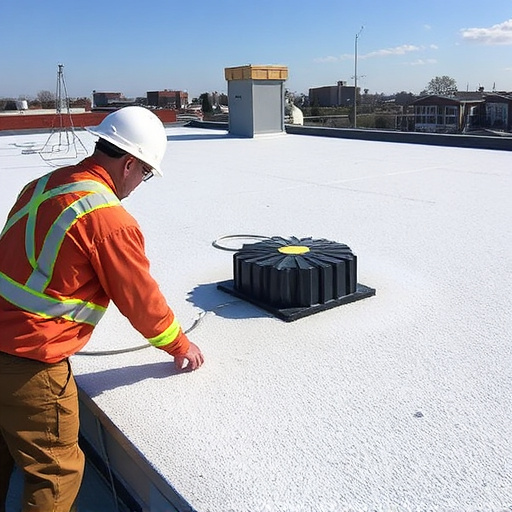
For specialized checks in Tucson, a roofing contractor serving Tucson and Oro Valley notes that foam roof coating is a critical component that sets apart these diverse roofing styles. Unlike tile or shingle roofs, which can be visually inspected for damage, foam roofs require a closer look. A thorough foam roof coating check involves assessing the integrity of the coating, checking for signs of cracking, blistering, or peeling, and ensuring proper adhesion to the substrate. This is especially important in areas like Marana and Oro Valley where extreme monsoon seasons can take a toll on roofing materials.
The process may include using specialized equipment to detect moisture levels and ensure the coating is dry and bonded securely. This is crucial for preventing leaks, which can be particularly insidious with foam roofs due to their seamless, continuous nature. In contrast to the more common tile and shingle roofs, which can be easily inspected from the ground, accessing a foam roof usually requires climbing or the use of a drone for a comprehensive view. A roofing contractor with local experience will employ safe, effective methods tailored to each roof type and the unique challenges posed by Tucson's climate and local weather patterns.
To the coating itself, a foam roof coating check may encompass an evaluation of the underlying structure. This includes examining the underlayment for damage, wear, or signs of water intrusion. A licensed Tucson roofing contractor will also look for proper drainage systems, ensuring water flows away from the roof and building effectively, a detail that can be missed by the untrained eye. For historic homes or those with unique architectural features, further specialized inspections may be required, further underscoring the value of a skilled and experienced local roofing contractor.
As monsoon season approaches, scheduling a foam roof coating check becomes even more critical. A roofing contractor serving Tucson and Oro Valley can provide expert advice on the best time to inspect and maintain your roof, ensuring its longevity and reliability in the face of potentially severe weather. Regular maintenance, including these specialized checks, is key to protecting your investment and safeguarding your home or business against costly repairs or replacements.
Frequently Asked Questions About a comparison of how tile, foam, shingle and flat roofs common in Tucson are inspected
What are the key differences when inspecting these types of roofs?
Inspecting tile, foam, shingle, and flat roofs in Tucson requires tailored approaches. Tile roofs demand careful examination of the underlayment, grout lines, and tile integrity. Foam roofs focus on expanding and compressing properties, moisture intrusion, and structural support. Shingle roofs involve checking for granule loss, laps, and underlayment coverage. Flat roofs necessitate inspecting for cracks, leaks, and proper drainage systems. Each roof type presents unique challenges, requiring specific tools and knowledge to ensure thorough and accurate assessments.
How often should each type of roof be inspected?
Tile roofs typically require annual inspections due to their durability but potential for damage from weather events. Foam roofs, known for their insulation and water resistance, can last longer with bi-annual checks for any signs of deterioration or moisture buildup. Shingle roofs, depending on the material, usually need inspecting every 2 to 3 years, as they're more susceptible to wear and tear. Flat roofs demand regular, monthly assessments due to their vulnerability to leaks and other issues, especially in Arizona's climate.
What tools are essential for a Tucson roof inspection?
A comprehensive inspection involves various tools. For tile roofs, a magnifying glass and a camera for close-up inspection are crucial. Foam roofs necessitate a moisture meter to detect water intrusion and a thermal imaging camera to identify heat loss or gain. Shingle inspections require a ladder, a hammer, and a bucket to check for damage and proper alignment. Flat roofs demand a level, a tape measure, and a flashlight for assessing drainage, leaks, and overall structural integrity.
Who should conduct a roof inspection in Tucson?
Hiring a licensed Tucson roofing contractor or an experienced local roof inspector is ideal. These professionals have the necessary knowledge, tools, and insurance to conduct thorough inspections. They can provide expert insights into each roof type's unique maintenance and repair needs, ensuring your Tucson property's roof remains in top condition.
Are there any common issues found during inspections?
Yes, several common issues emerge. Tile roofs may show grout loss, tile damage, or water penetration. Foam roofs can exhibit moisture buildup, especially in areas with poor ventilation, leading to structural weakening. Shingle roofs often suffer from granule loss, missing or damaged shingles, and improper installation. Flat roofs commonly face leaks, poor drainage, and surface damage from extreme weather. Addressing these issues promptly prevents more significant, costly problems.
How can I prepare for a roof inspection?
Preparation is key. Schedule the inspection during fair weather. Clear the roof area of debris. Ensure easy access to all areas, especially difficult-to-reach spots. Gather relevant documentation, such as the roof's age, previous repair records, and any manufacturer warranties. This preparation aids the inspector in providing a detailed, accurate assessment of your Tucson roof.
Understanding the unique inspection requirements of Tucson's diverse roof types - from the protective tile underlayment to the lightweight foam roof coating - is crucial for homeowners and property managers. This article has provided detailed step-by-step guides for each roof style, highlighting key checks like the foam roof coating check, attic and ceiling inspections, and assessing drainage in flat roofs.
The specialized checks for foam roofs, including moisture detection for leaks, are vital given Tucson's arid climate. Similarly, pre-monsoon and post-storm inspections, as well as checks after installations like swamp coolers or roof repairs, are recommended to mitigate potential damage. Incorporating these practices into your regular maintenance routine will not only protect your investment but also facilitate smooth transactions, whether selling or renewing insurance, as evidenced by the successful integration of roof certification in real estate transactions.
Moving forward, homeowners and property managers are encouraged to consult local experts, consider professional roof inspections before purchasing or selling, and stay informed about community development departments' roles in roofing regulations. By embracing these practical steps and leveraging the insights from this article, you'll contribute to a safer and more robust roofing landscape in Tucson.
Tucson Roof Inspection Guide:
Tucson's diverse roofing styles demand tailored inspections. Key checks include:
- Tile: Inspect tiles for damage, underlayment for moisture, and flashing for proper drainage.
- Foam: Focus on coating integrity, checking for cracks, blisters, and proper adhesion. Use moisture meters for leaks.
- Shingle: Look for missing or damaged shingles, flashing issues, and adequate drainage.
- Flat: Ensure proper parapet walls, drainage systems, and roof membrane integrity.
Specialized Foam Check:
A crucial step is the foam roof coating check, requiring closer inspection of the coating's integrity, adhesion, and moisture levels to prevent leaks. This often involves climbing or drone use.
Regular inspections, especially for foam roofs, are vital for Tucson homeowners, protecting against severe weather and costly repairs.