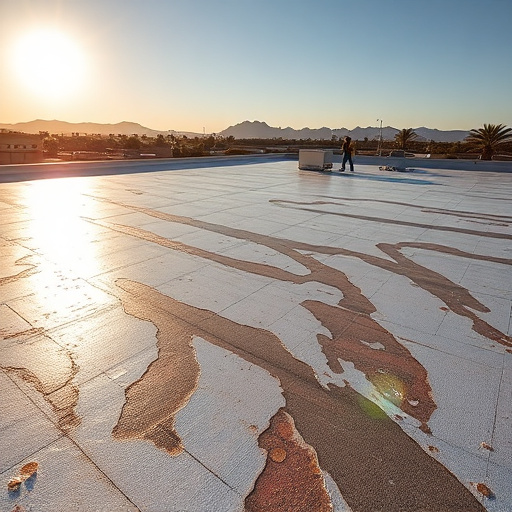
In southern Arizona, your roof is a crucial investment, protecting your home from the harsh desert climate and ensuring its value for years to come. However, understanding the condition of your roof and what a comprehensive inspection entails can be challenging. This guide is designed to demystify the process, cost, and paperwork involved in a roof inspection in "inspection includes" Tucson. We'll explore how these factors, including the all-important remaining roof life estimate, influence your decision-making, whether you're a homeowner, buyer, or seller. By the end, you'll be equipped with the knowledge to navigate the process with confidence.
- Understanding Roof Inspection Costs in Southern Arizona
- Timing Your Roof Inspection for Optimal Value
- Decoding the Paperwork: Your Roof Inspection Report
Understanding Roof Inspection Costs in Southern Arizona

In southern Arizona, understanding roof inspection costs is crucial for homeowners and property managers. The price of an inspection varies based on several factors, including the size and complexity of the roof, the scope of the examination, and the provider's rates. A thorough pre-monsoon inspection might include a moisture meter reading to detect any signs of leaks, especially in areas prone to sudden summer storms. This can range from $150 to $300, depending on the provider's experience and the roof's size.
A licensed Tucson roofer with an Arizona ROC license will typically offer a detailed report, including a remaining roof life estimate, which can be a valuable tool for homeowners. This estimate, based on industry best practices and local weather patterns, can help you plan for future repairs or replacements. The inspection report may also include recommendations for repairs or upgrades, such as replacing missing or damaged tiles or installing a better underlayment for better protection against monsoon winds.
For commercial properties or historic homes, inspections can be more complex and expensive. Commercial roofs, for example, might require drone-assisted inspections to access hard-to-reach areas and assess the overall condition from a bird's-eye view. Historical structures may need specialized inspections to ensure compliance with preservation regulations, which can add significantly to the cost. Homeowners' warranties or insurance claims can sometimes cover the cost of inspections, but it's essential to check the policy details.
Timing also plays a role in the cost. Routine inspections conducted annually or every two years are generally less expensive than emergency inspections after severe weather, such as a dust storm or hail event. Regular inspections can help catch minor issues early, preventing more costly repairs down the line. A proactive inspection after swamp cooler removal can ensure that the roof is not damaged by the equipment's removal or installation. Remember, a well-maintained roof not only protects your investment but can also contribute to the overall energy efficiency of your home or business.
Timing Your Roof Inspection for Optimal Value
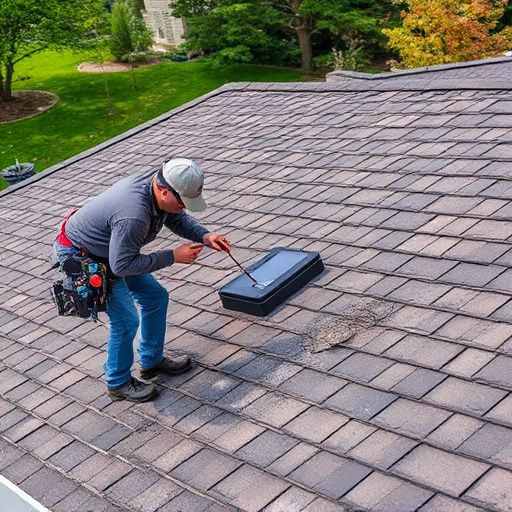
When planning for your Oro Valley home's roof inspection, one of the most crucial factors to consider is the timing. Scheduling an inspection at the right moment can significantly impact the overall cost and the accuracy of the assessment. In southern Arizona, the ideal time for a roof inspection is during the dry months, specifically from April to October. During this period, the weather is generally more cooperative, with fewer chances of heavy rain, hail, or snow that could delay the process or obscure issues.
A strategic scheduling window is key. Aim for an inspection at least a month before the expected onset of monsoon season. This timing allows for a thorough evaluation of your roof's condition while providing ample time for repairs or replacement if necessary. If you're considering a flat tile roof, a pre-monsoon inspection enables a detailed look at the underlayment, flashing, and drainage systems, which are especially vulnerable to damage during the monsoon. Scheduling early can help you avoid the rush, potentially securing a more convenient appointment and a more accurate assessment.
Another strategic aspect of timing relates to the interval between inspections. For a residential property, a professional roof inspection is recommended every two to three years. This interval ensures that any potential issues are identified early, allowing for cost-effective repairs before they escalate. However, if you've had recent repairs or significant changes to your home, such as the removal of a swamp cooler, a new addition, or the installation of a solar panel, an inspection should occur sooner. After a roof repair, a re-evaluation within six months can confirm the work's integrity and the overall health of the remaining roof structure, including the underlayment and flashing.
As for documentation, you'll want to ensure you receive a detailed report. This report should include visual evidence, such as drone photos, to illustrate any issues, including evidence of Ponding water, which could indicate flashing problems or improper drainage. A Tucson roofer with an Arizona ROC license will provide a comprehensive assessment, including a remaining roof life estimate, based on the current condition, local weather patterns, and the local building codes. This estimate not only gives you a sense of your roof's longevity but also aids in making informed decisions about repairs or replacements.
Decoding the Paperwork: Your Roof Inspection Report
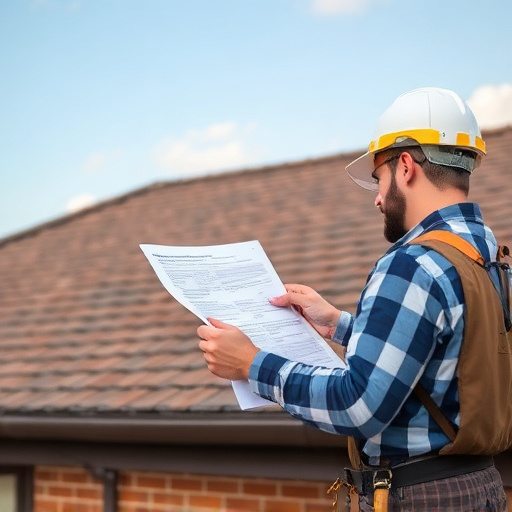
For understanding the health of your Oro Valley or Marana roof, the roof inspection report is a crucial document. This document, drafted by a licensed professional, is more than just a list of findings; it's a roadmap to your roof's future. Decoding this report allows you to make informed decisions about repairs, replacements, or even the remaining roof life estimate.
A comprehensive roof inspection report includes detailed observations, such as the condition of the tile underlayment, evidence of moisture intrusion, and the overall integrity of the roof structure. It will also feature digital images, often captured from drone photos, to illustrate problem areas. A skilled roofer might note the presence of missing or damaged tiles, signs of leaks, or the need for a new coating to protect against the harsh Arizona climate. In Oro Valley, where weather patterns can vary widely, these reports are essential for understanding the unique challenges your roof faces.
Beyond assessing the current state of your roof, the report offers insights into the future. A roofing contractor serving Tucson and Oro Valley will include an estimate of your roof's remaining lifespan based on their findings. This estimate considers factors like the age of the roof, local weather patterns, and the quality of the materials used. A report might predict that with minimal repairs, your flat tile roof could last another 10 years under normal conditions. However, severe weather events or inadequate maintenance could significantly impact this timeline.
The report also serves as a valuable tool for insurance companies, home warranty programs, and potential buyers. Insurance renewals often require a recent roof inspection, ensuring that your policy is up-to-date and reflecting the true condition of your roof. Similarly, if you're considering selling your home, a detailed roof inspection report can be crucial in negotiating the sale price. It provides transparency and peace of mind for both the buyer and the seller.
Frequently Asked Questions About a Plain Language Look at the Cost, Timing and Paperwork of a Roof Inspection in Southern Arizona
What is a roof inspection, and why is it necessary?
A roof inspection is a comprehensive evaluation of your home's roofing system, conducted by a licensed professional. It's crucial for identifying potential issues like damaged shingles, leaks, or structural weaknesses before they escalate. In southern Arizona, with its varying climates, regular inspections are recommended to ensure your roof remains in top condition, protecting your home and potentially saving you from costly repairs.
How often should I get my roof inspected?
The frequency of roof inspections depends on several factors, including the age of your roof, local weather patterns, and the quality of installation. As a general guideline, most roofing professionals recommend an inspection every 2 to 3 years. However, if you live in a high-wind area or have noticed any signs of damage, an earlier inspection might be advisable.
What does a roof inspection entail?
During a typical roof inspection, a licensed roofer will begin by examining the exterior of your roof for visible signs of damage or wear. They'll then enter the attic or crawl space to check for proper ventilation, insulation, and any signs of leaks or moisture damage. The inspector will also assess the roof's structure, looking for loose or damaged shingles, flashing, and gutters. A detailed report will be provided, outlining any findings and suggesting necessary repairs.
How much does a roof inspection cost?
The cost of a roof inspection in southern Arizona typically ranges from $100 to $300, depending on the size and complexity of your home's roofing system. This includes the time spent by a licensed inspector, who will provide a detailed report outlining the inspection findings. Some companies may offer packages that include both the inspection and recommended repairs, but it's always best to get separate estimates for each service.
What documentation do I need for a roof inspection?
For a roof inspection in the Oro Valley area, you typically don't need to provide any documentation. The licensed inspector will handle all necessary paperwork, which may include a detailed inspection report and digital images of any issues found. However, having insurance or property records handy can streamline the process, especially if the inspection is related to a claim or a real estate transaction.
Can I perform a roof inspection myself?
While it's tempting to save costs by conducting a DIY roof inspection, it's strongly advised to leave this task to a licensed professional. Roofs are often difficult to access and present potential safety hazards. A qualified roofer has the proper tools, training, and experience to safely inspect your roof and identify issues that may be invisible to an untrained eye. Regular professional inspections are a crucial part of maintaining your home's roof.
Understanding the cost, timing, and paperwork involved in a roof inspection in southern Arizona is crucial for any homeowner or property manager. By considering the factors discussed, such as the complexity of the roof, local weather patterns, and the age of the structure, you can ensure a thorough and valuable inspection. Decoding the inspection report, which details findings, recommendations, and the remaining roof life estimate, empowers you to make informed decisions. Moving forward, prioritize regular inspections, especially before monsoon seasons, after significant weather events, or when planning a sale, to protect your investment and extend the lifespan of your roof.
In southern Arizona, roof inspection costs vary based on roof size, complexity, and provider rates. Regular inspections (every 2-3 years) cost less than emergency repairs. Timing is key: inspect during dry months (April-October) before monsoon season to catch issues early. A detailed report from a licensed roofer includes a remaining roof life estimate, visual evidence, and repairs/upgrades recommendations. This report is crucial for insurance, home warranty, and selling purposes.