In southern Arizona, a roof inspection isn't just about checking for leaks; it's a crucial step in maintaining your home's value and safety, especially with our unique climate. As extreme weather, including monsoons, becomes more frequent, understanding the timing and costs of these inspections becomes vital for homeowners. This is particularly true when considering a sale or a significant upgrade, like removing a swamp cooler, which can expose vulnerabilities that need expert scrutiny.
This guide navigates the often confusing aspects of roof inspections, from the scope of the service to the paperwork involved. We'll demystify the process, ensuring you're prepared for what lies ahead, whether it's a pre-monsoon check or an inspection after swamp cooler removal.
- Understanding Roof Inspection Costs in Southern Arizona
- Timing Your Inspection: After Swamp Cooler Removal
- Navigating Paperwork: Post-Inspection in Arizona
Understanding Roof Inspection Costs in Southern Arizona
The cost of a roof inspection in southern Arizona, such as Oro Valley or Vail, can vary greatly depending on several factors. While a basic inspection typically starts at around $300 to $400, complex scenarios like evaluating damage after a swamp cooler removal or assessing parapet walls can add significant expenses. A local Tucson roofing company, for instance, may charge more for inspections involving historic homes or commercial properties due to the specialized knowledge and equipment required.
Timing plays a crucial role, too. Routine inspections before monsoon season, usually from late spring to early summer, often cost less than emergency inspections after a severe storm or dust event. Some companies offer discounted rates for regular, scheduled inspections, making it a cost-effective strategy for homeowners.
Paperwork and documentation are essential aspects of the process. After the inspection, you'll receive a detailed report outlining the findings, potential issues, and recommended repairs. Understanding this report is vital, as it serves as a record for insurance claims, home warranty programs, or when selling your property. If a roof shows signs of aging or damage after a swamp cooler removal, the report will help justify repairs or replacements.
Before committing to an inspection, ask about the company's process, turnaround time, and cost breakdown. Compare quotes from different providers, keeping in mind that the cheapest option may not always be the best. Ensure the inspector is licensed, certified, and experienced in your area, especially when dealing with unique situations like parapet wall inspections or assessing damage from unusual weather events.
Timing Your Inspection: After Swamp Cooler Removal
After removing a swamp cooler, a thorough roof inspection in southern Arizona is crucial, especially when preparing for the upcoming monsoon season. This timing is strategic, as it allows for a comprehensive assessment of your roof's condition, identifying any potential issues that might be exacerbated by the region's unique climate. A licensed Tucson roofing contractor recommends scheduling this inspection before the heavy rains and winds hit, typically between late May and early July.
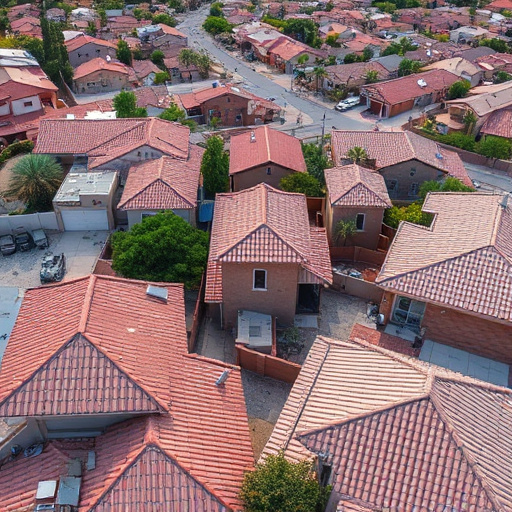
During this inspection, a professional will assess several key areas. They'll examine the roof's underlayment, ensuring it's in good condition and properly installed, as this acts as a crucial barrier against moisture. This is especially important in flat tile profiles, common in the area, where proper drainage is vital to prevent water damage. The inspector will also check for any signs of damage from previous storms, including hail or wind, and verify that foam roof coatings are in place and functioning effectively. Using drone photos, they can capture a comprehensive view of the entire roof, making it easier to spot issues that might be missed during a walk-on inspection.
After the inspection, you'll receive a detailed report. For homeowners, this document is invaluable, especially when considering a sale or insurance renewal. It provides a clear picture of your roof's remaining life expectancy and any necessary repairs or replacements. For rental properties or historic homes, the report ensures compliance with local building codes and can help negotiate better terms with insurance companies. This proactive approach to roof maintenance not only protects your investment but also helps you avoid costly surprises during the monsoon season.
Navigating Paperwork: Post-Inspection in Arizona

After a thorough inspection, the focus shifts to navigating the post-inspection paperwork, especially when addressing issues like a swamp cooler removal. In southern Arizona, where monsoons can bring sudden changes, understanding these documents is crucial for homeowners. The process involves several key steps and documents, each with its own significance, particularly for maintaining a flat tile roof.
In Arizona, the local building codes and regulations play a significant role in the post-inspection phase. These codes dictate what repairs or replacements are necessary, especially when addressing issues like coating wear caused by harsh environmental conditions. A roofing contractor serving Tucson and Oro Valley may require you to provide proof of compliance with local regulations before finalizing any repairs, especially if the inspection reveals damage related to the recent monsoon season. The contractor will likely provide a detailed report outlining the recommended actions, which can include everything from minor repairs to complete roof replacement.
One critical aspect of the post-inspection process is understanding the insurance implications, especially when dealing with a swamp cooler removal. Homeowners' insurance policies can vary widely, and some claims may require specific documentation, such as a detailed inspection report or evidence of compliance with local building codes. It's essential to communicate openly with your insurance company and keep records of all correspondence and documentation related to the inspection and any necessary repairs. If the inspection uncovers damage from a recent dust storm, you'll need to provide evidence that the damage was indeed caused by the storm and that your policy covers such incidents.
Many homeowners find it beneficial to consult with a roofing specialist or a licensed contractor to interpret the inspection findings and navigate the paperwork. An expert can help you understand the estimated remaining roof life, especially when dealing with flat tile profiles, and guide you through any necessary repairs or replacements. This professional insight can be invaluable, ensuring that your roof is in top condition as you move forward, prepared for the next monsoon season or any other weather-related challenges that may arise.
Frequently Asked Questions About a Plain Language Look at the Cost, Timing and Paperwork of a Roof Inspection in Southern Arizona
What is the purpose of a roof inspection? A roof inspection is a thorough assessment of your roof's condition. It helps identify potential issues like damage from weather, wear and tear, or poor installation, allowing you to address them before they become costly problems. In southern Arizona, this service is crucial given the region's extreme weather conditions.
How often should I get a roof inspection? The frequency depends on your roof's age, local weather conditions, and general maintenance. As a rule of thumb, a thorough inspection every 2 to 3 years is recommended. In areas prone to severe weather, like southern Arizona, inspections before and after monsoon seasons are especially important to mitigate potential damage.
What should I expect during a roof inspection? During an inspection, a licensed roofer will thoroughly examine your roof's structure, shingles, flashing, gutters, and drains. They'll look for signs of damage, wear, or leaks and will assess the overall condition and remaining lifespan of your roof. A detailed report will be provided, outlining findings and recommended repairs.
How much does a roof inspection cost? The cost varies based on the roof's size, complexity, and the level of detail required. In southern Arizona, a standard roof inspection typically costs between $200 and $400. This includes a thorough examination and a detailed report. Some companies may offer discounts for regular customers or for inspections bundled with other services.
How quickly can I expect to receive a roof inspection? Most roofing companies in southern Arizona can schedule an inspection within a few days, especially if you're a new customer. Established customers or those with urgent situations may experience shorter wait times. After the inspection, you'll receive a prompt report detailing the findings.
What documentation do I need for a roof inspection? For a roof inspection, you typically need a valid government-issued ID and proof of insurance for your property. The roofer will handle all necessary paperwork, including any permits required for repairs or replacements. It's helpful to have your insurance information handy during the inspection process.
Can I prepare for a roof inspection? Yes, there are a few things you can do to prepare. Clear loose debris from your roof and gutters to ensure easy access. Make a list of any concerns or areas you'd like the inspector to pay special attention to. However, the roofer is trained to identify issues, so feel free to let them handle the detailed examination.
For maintaining your southern Arizona roof, understanding the key milestones is essential. After swamp cooler removal, a thorough inspection becomes crucial, addressing potential issues before they escalate. This process involves careful evaluation of your roof's condition, including a detailed look at the underlayment and any signs of moisture intrusion. The inspection process is a critical step in ensuring the longevity of your roof, and knowing what to expect can help you navigate the associated costs and paperwork efficiently. By timing your inspection appropriately and understanding the necessary documentation, you can ensure a smooth transition to a secure and well-maintained roof, a valuable asset in the Arizona climate.
A thorough roof inspection in southern Arizona, especially before monsoon season, is crucial after removing a swamp cooler. Costs vary based on complexity, with historic or commercial properties potentially incurring higher fees. Timing is key; routine inspections before the monsoon (late spring to early summer) are less expensive.
The inspection assesses key areas like underlayment, drainage, and storm damage, generating a detailed report. This report is vital for insurance claims, home warranty programs, and property resale value.
Post-inspection, homeowners face paperwork and building code compliance, especially in navigating insurance claims. Consulting a licensed roofing expert can provide valuable insights into the report's implications and necessary repairs.