Homeowners in our desert climate face unique challenges for roof maintenance. The extreme heat, intense sunlight, and occasional storms can take a toll on even the most robust roofs. Regular professional inspections are crucial, but they don't always catch everything. This homeowner checklist equips you to spot potential issues between inspections, ensuring your roof remains in top shape. We'll guide you through the essential visual checks, addressing common desert-related concerns like moisture intrusion, tile damage, and underlayment integrity. By learning how often to inspect a roof and what to look for, you can extend the life of your investment and avoid costly surprises.
- Identifying Common Desert Roof Issues
- Regular Checks: What to Look For
- When to Schedule a Professional Inspection
Identifying Common Desert Roof Issues
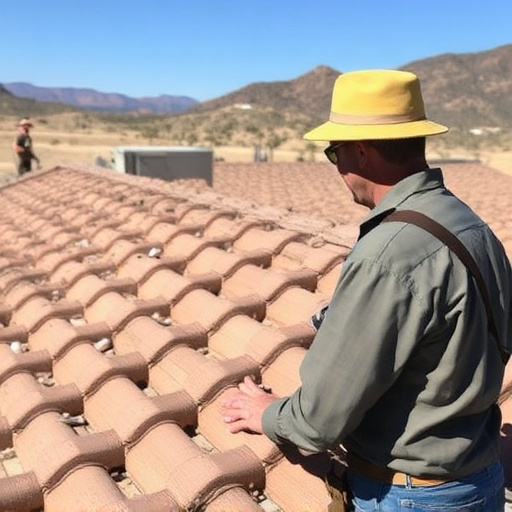
In the arid desert climate of Oro Valley, homeowners must be vigilant about their roof's health, as many issues can go unnoticed between professional inspections. Regular self-inspections are crucial to identifying common desert roof problems early on, ensuring timely repairs, and preventing more severe damage. This checklist equips you to spot potential red flags, like coating wear, which can be accelerated by intense sunlight and varying temperature extremes.
Focus on visual examinations, looking for any signs of deterioration, cracks, or missing shingles, especially after extreme weather events. In Marana, where occasional dust storms occur, note any discolored areas or evidence of moisture buildup. These could indicate structural weaknesses or leaks that require immediate attention. Remember, the frequency of inspections is vital; aim to check your roof at least once every three months, or more often in areas prone to severe weather.
An in-depth inspection report is invaluable for documenting the condition of your roof. After identifying any issues, consult with a licensed roofer like DC Roofing of Arizona to prioritize repairs. They can provide expert advice tailored to your specific concerns, ensuring your roof remains in top condition. Regular, thorough self-inspections, coupled with professional guidance, are the best defenses against costly repairs and potential home damage.
Regular Checks: What to Look For

In the arid climate of Oro Valley, regular checks of your roof between professional inspections can help identify potential issues early on. As a homeowner, understanding what to look for is crucial. This isn't just about spotting leaks; it involves a comprehensive evaluation of your roof's condition, which can significantly impact the overall integrity of your home. Here's a practical checklist to guide your regular inspections.
Focus on key areas like roof valleys and vents. These elements play vital roles in your roof's drainage and ventilation systems. Check for any signs of damage, corrosion, or blockage. A damaged vent cover can allow moisture intrusion, leading to mold or structural damage over time. Similarly, blocked valleys can result in water pooling, causing shingles to deteriorate faster. Keep an eye out for loose or missing shingles, which might be an early indicator of wind or hail damage. Also, inspect the underlayment for any signs of wear and tear, as it provides crucial protection against extreme weather.
A licensed Tucson roofing contractor recommends inspecting your roof at least twice a year. This frequency ensures that you're proactive about maintenance rather than reactive to repairs. During these checks, look for signs of moisture or discoloration in the attic or ceilings, which could point to leaks or poor ventilation. Regular inspections also allow you to assess the overall condition of your roof, enabling you to make informed decisions when it comes time for a professional assessment or a new roof installation. Remember, early detection is key to preventing costly repairs.
When to Schedule a Professional Inspection

Between professional inspections, homeowners in the desert climate should be vigilant about their roof's condition. While regular professional inspections are crucial, especially in areas prone to extreme weather like Oro Valley, there are signs to look for that indicate a closer look is needed. One of the most visible signs is slipped tiles, which can be caused by a variety of factors, including extreme temperature changes, strong winds, or poor installation. Keep an eye out for loose or missing shingles, as these can be early indicators of a problem that could lead to more serious damage.
A crucial part of maintaining your roof is understanding when to check for moisture. Using a moisture meter in the attic, once a year, can help identify potential leaks or areas of concern before they become major issues. This is especially important in the desert, where high humidity levels can interact with the sun's intense rays, leading to accelerated deterioration of materials. A local Tucson roofing company recommends checking for moisture after any significant weather event, such as a monsoonal storm, as these events can leave behind hidden damage.
Regular inspections should also include a thorough look at the roof's drainage system. Ensure that the gutters and downspouts are clear of debris and that water is flowing freely away from the foundation. Blockages can lead to overflow, which can cause serious damage to the roof, walls, and ceilings. Check the condition of the parapet wall, which protects the roof from wind and weather. Over time, these walls can erode, especially in areas with high winds, and should be inspected for cracks or signs of wear.
How often to inspect a roof is a question many homeowners ask. Given the unique challenges posed by the desert climate, a thorough inspection once every 6 months to a year is recommended. This includes not only a visual inspection but also checking for moisture, especially in areas prone to leaks like around chimneys, vents, and roof valleys. Regular maintenance and early detection of problems can save you from costly repairs and ensure the longevity of your roof.
Frequently Asked Questions About a homeowner checklist for spotting roof problems between professional inspections in the desert climate
What are the unique challenges of roof inspection in a desert climate?
In desert climates, extreme temperatures, high UV exposure, and rapid evaporation can accelerate the deterioration of roofing materials. This can make it harder to spot issues between professional inspections. Look for signs of early damage, like missing or curled shingles, dark patches indicating mold growth, or discolored gutters, as these may signal problems that require immediate attention.
How often should I check my roof for damage?
While a professional inspection is recommended every 2-3 years, homeowners should perform a basic visual inspection at least once a month. This is crucial in desert climates where sun and heat can cause rapid wear and tear. Keep an eye out for any unusual noises, leaks, or changes in your roof's appearance.
What are some common signs of roof damage to look for?
Look for missing, broken, or curled shingles, especially along the edges and corners. Cracked or blistered roofing material, water stains, or dark patches of mold are also indicators. Check the gutters for clogs or debris buildup, as this can lead to water damage. Keep an eye out for strange noises, like creaking or cracking, which could signal structural problems.
Can I identify roof leaks myself, or do I need a professional?
While you can often identify the source of a leak by visually inspecting your roof, pinpointing the exact cause requires expertise. If you spot water stains, dripping, or mold growth inside your home, it's time to call a professional. A licensed roofer can trace the leak to its origin and provide the necessary repairs.
What should I do if I find damage but don't think it's urgent?
Document the damage with photos and note the location and severity. Schedule a professional inspection to get a thorough assessment. Remember, even seemingly minor issues can lead to larger problems if left unaddressed. Prompt attention can prevent costly repairs down the line.
How can I prepare my roof for the desert climate?
Ensure your roof is in good condition before the hot season arrives. Repair any damage, clean gutters of debris, and consider using reflective or light-colored shingles to reflect the intense desert sun. Regular maintenance and inspections are key to preserving the health and longevity of your roof in challenging climates.
Who should I contact if I'm unsure about roof repairs?
Reach out to a licensed and experienced roofing contractor in your area. DC Roofing of Arizona, for example, offers expert advice and services tailored to Oro Valley homes. They can provide a detailed assessment and recommend the best course of action for your specific roof issues.
As homeowners in the desert climate of Tucson navigate between professional inspections, understanding common roof issues and regular checks is crucial. By identifying signs like missing or damaged shingles, moss or algae growth, and ventilation problems, you can take proactive steps to maintain your roof's integrity. Knowing when to schedule a professional inspection, based on factors like pre-monsoon conditions and post-hail or wind events, ensures any issues are caught early.
The key takeaway is a balanced approach: regular DIY inspections combined with periodic professional assessments. By following this checklist and understanding how often to inspect a roof, you can protect your investment, extend your roof's lifespan, and avoid costly repairs. This proactive strategy, grounded in best practices tailored to our local climate and building codes, empowers you to maintain your home's most critical defense against the elements.
In the Oro Valley desert climate, regular self-inspections (at least every 3 months, more often in severe weather-prone areas) are vital to catch common roof problems early. Check for wear, damage, corrosion, and moisture buildup, focusing on valleys, vents, shingles, and underlayment. Aim for twice-yearly professional inspections and use a moisture meter annually. How often to inspect a roof: once every 6 months to a year, including visual checks and moisture testing. Early detection through regular maintenance saves costs and extends your roof's life.