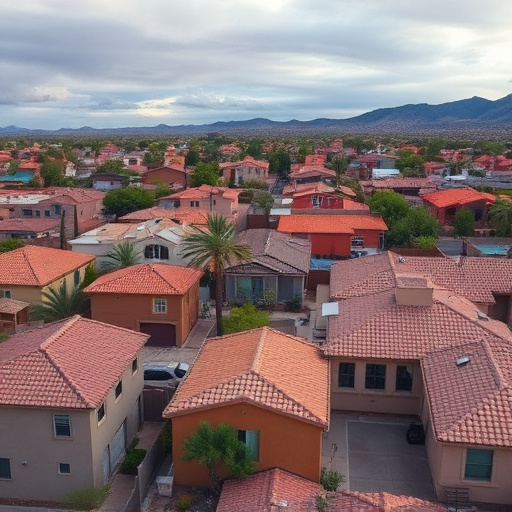
In the complexities of insurance claims and policy renewals in Arizona, a critical yet often overlooked aspect is the guidance on roof inspections. For homeowners and landlords alike, understanding the intricacies of these inspections is crucial, especially for rental property roof inspection. The problem lies in the fact that these assessments can be subjective, with varying interpretations leading to disputes and delays. This article provides an authoritative guide to navigating the process, ensuring that you, as a policyholder, are well-prepared to understand, challenge, and leverage the outcome. We'll explore best practices, industry standards, and expert insights to empower you during these critical inspections, whether for a new claim or a routine renewal.
- Understanding Rental Property Roof Inspection Requirements in Arizona
- The Step-by-Step Guide to Conducting a Comprehensive Roof Inspection
- Maximizing Insurance Claims and Policy Renewals Through Detailed Documentation
Understanding Rental Property Roof Inspection Requirements in Arizona
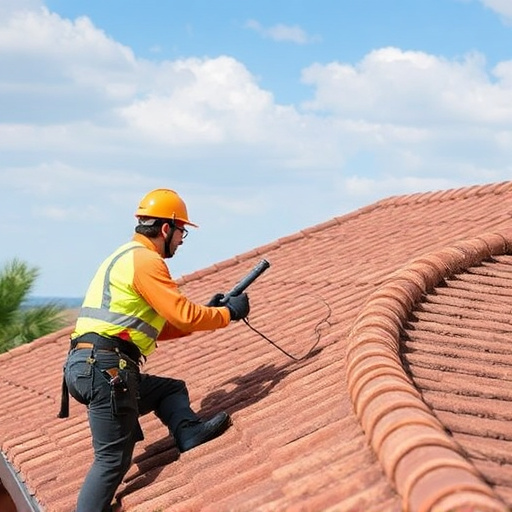
Rental property owners in Arizona face unique challenges for roof inspections, especially when navigating insurance claims and policy renewals. With frequent extreme weather events, such as dust storms and monsoon seasons, it's crucial to ensure that rental properties have robust roof protection. A comprehensive understanding of rental property roof inspection requirements is essential for both landlords and tenants.
In Arizona, including Oro Valley, a roofing contractor serving Tucson and Oro Valley recommends that rental properties undergo thorough inspections at least twice a year. This is because the local climate, characterized by intense sunlight and varying seasonal weather patterns, can accelerate the aging process of roofing materials. Cracked tiles and damaged underlayments are common issues that may go unnoticed but can lead to significant structural problems and water damage. Regular inspections can help identify these issues early, allowing for prompt repairs and reducing the risk of costly renovations.
When conducting a rental property roof inspection, several key elements must be evaluated. These include checking for proper drainage systems to prevent water accumulation, examining the condition of tiles or shingles, and assessing the integrity of the underlayment. It's crucial to inspect the attic and ceiling for signs of moisture or leaks, as these issues can compromise the entire structure. A qualified inspector will also look for signs of damage from hail, wind, or other extreme weather events, especially in areas prone to such occurrences, like Oro Valley.
During the inspection process, tenants should be prepared to discuss any known issues or concerns with the inspector. If there have been recent storms, providing details about observed damage can aid in a more comprehensive assessment. After the inspection, a detailed report will be generated, outlining the findings and recommendations. Landlords should carefully review these reports, as they are invaluable for insurance claims and policy renewals. By adhering to these guidelines, rental property owners can ensure their investments are well-protected, enhancing the overall safety and satisfaction of their tenants.
The Step-by-Step Guide to Conducting a Comprehensive Roof Inspection
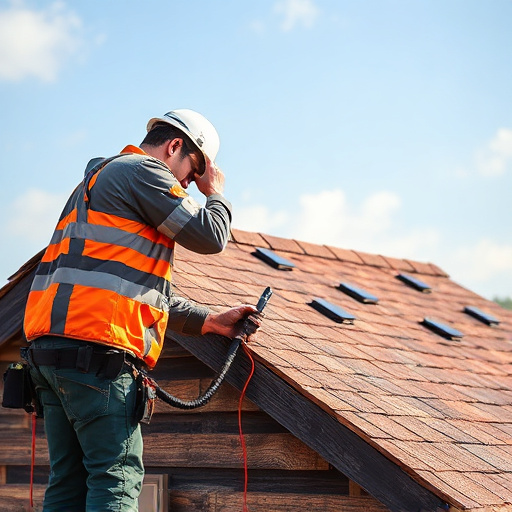
Conducting a comprehensive roof inspection is a meticulous process designed to uncover any potential issues and ensure the structural integrity of a property. For a rental property owner or manager, this process becomes even more critical when navigating insurance claims and policy renewals. Here's a step-by-step guide to help you perform a thorough inspection, focusing on key aspects that are often overlooked yet crucial for a successful claim or renewal.
Start with a Visual Inspection
Begin by walking the roof's perimeter, looking for visible signs of damage or wear. Check for missing or loose shingles, flashing issues, and any signs of water intrusion. Examine the condition of the parapets, ensuring they're intact and secure. In Arizona, local weather patterns and climate changes can accelerate roof deterioration, so be vigilant for any unusual wear. For rental properties, this initial visual check can help identify areas that may need further attention during a more detailed inspection.
Use Specialized Tools for Moisture Detection
A moisture meter is an invaluable tool to detect water intrusion or leaks behind the roof's surface. Renters or property managers may not have access to these tools, so consider hiring a local roofing contractor serving Tucson and Oro Valley who can perform this service. A professional roofer will know the best places to apply the meter, focusing on areas prone to leaks like valleys, ridges, and areas around chimneys or vents. This step is crucial, as moisture can lead to serious structural damage over time, often going unnoticed until it's too late.
Check Underlayment and Roof Structure
Move inside the attic or ceiling space and inspect the underlayment for any damage, mold, or signs of water damage. Check for proper ventilation, ensuring no heat buildup that could damage the roof or cause moisture issues. Look for signs of adequate support, especially in older homes. A roofing contractor will be able to provide expert guidance on the remaining roof life, using their experience to estimate the condition of the structure and underlayment.
Document and Read the Report
Throughout the inspection, take detailed notes, including photos of any issues found. Once complete, a licensed roofer can provide a comprehensive report, detailing the condition of the roof and any recommended repairs or replacements. This report becomes invaluable for insurance claims or policy renewals, serving as concrete evidence of the roof's condition. Property managers or owners should review the report carefully, ensuring all issues are accurately documented and ready for presentation to insurance companies or during negotiations.
Maximizing Insurance Claims and Policy Renewals Through Detailed Documentation

Detailed documentation is key to maximizing insurance claims and policy renewals for rental property owners in Arizona. A thorough roof inspection-including an infrared scan to detect moisture and thermal anomalies-is crucial before and after any significant weather events. By meticulously documenting ceiling stains, missing or damaged tiles, and underlayment conditions, you create a compelling case for insurance providers. A local Tucson roofing company's inspection report can pinpoint exact locations and extent of damage, increasing the likelihood of a favorable claim settlement.
An infrared scan, an advanced technology often employed by experienced Tucson roof inspectors, can reveal hidden moisture problems not immediately visible to the naked eye. Ceiling stains, especially those that appear in clusters or are asymmetrical, may indicate structural issues or leaks that necessitate immediate attention. Documenting these findings with high-quality photographs and detailed notes enhances the credibility of your claim. A comprehensive inspection report should include a thorough assessment of the underlayment, ensuring it is in good condition and properly secured.
Regular rental property roof inspections, ideally conducted before monsoon season and after any severe weather events like hail or dust storms, are essential for proactive maintenance. This proactive approach not only improves the building's structural integrity but also helps in negotiating favorable terms during policy renewals. By demonstrating a commitment to thorough documentation and regular inspections, property owners can expect smoother insurance processes and faster claim settlements.
Frequently Asked Questions About guidance on roof inspections for insurance claims and policy renewals in Arizona
What is the importance of a thorough roof inspection for insurance purposes? Comprehensive roof inspections are crucial for accurately determining insurance coverage. An experienced inspector can identify potential issues, from missing shingles to structural damage, ensuring your claim is fairly assessed. This process helps avoid disputes and delays, providing peace of mind and a faster resolution to your insurance claim.
Who should conduct a roof inspection for insurance? Only licensed and insured professionals should perform roof inspections for insurance claims. In Arizona, this would be a licensed Tucson roofing contractor or a local roofer with a valid Arizona ROC (Registrar of Contractors) license. Their expertise ensures accurate assessments, vital for navigating insurance policies and claims.
How often should roof inspections be conducted for policy renewals? While there's no one-size-fits-all rule, most insurance companies recommend a roof inspection every one to two years, especially in regions prone to extreme weather. In Arizona, with its unique climate, a yearly inspection is often advised to catch potential issues early, such as damage from hail or wind.
What documents are required for a roof inspection for insurance? For a successful inspection, ensure you have your insurance policy details and any relevant documentation regarding previous repairs or maintenance. A licensed inspector will also require proof of your identity and the property ownership, usually in the form of a utility bill or tax assessment.
Can a roof inspection help with claims for storm damage? Absolutely. In fact, it's essential. A thorough inspection can document existing damage and help you prove that it was not pre-existing. This is crucial when dealing with insurance companies, as they may try to deny claims for storm damage if the damage was already present.
This guide has empowered you with the knowledge to understand rental property roof inspections in Arizona, ensuring compliance with local regulations and maximizing the benefits of insurance claims and policy renewals. By understanding the step-by-step process and the importance of detailed documentation, you can effectively manage your roofing assets. Moving forward, prioritize regular inspections, especially before monsoon seasons and after potential weather events, to mitigate risks and extend the lifespan of your roofs. Engage with reputable local roofing contractors and utilize community resources for support and maintenance. Remember, a well-maintained roof not only protects your investment but also contributes to the overall safety and value of your properties.
Rental property owners in Arizona must conduct comprehensive roof inspections at least twice a year due to extreme weather. Key elements include proper drainage, tile/shingle condition, underlayment integrity, and attic/ceiling moisture checks. Visual inspections, moisture meters, and infrared scans are vital. Documenting findings, especially ceiling stains and underlayment conditions, strengthens insurance claims. Regular inspections before monsoon and post-severe weather events enhance structural integrity and policy renewals.