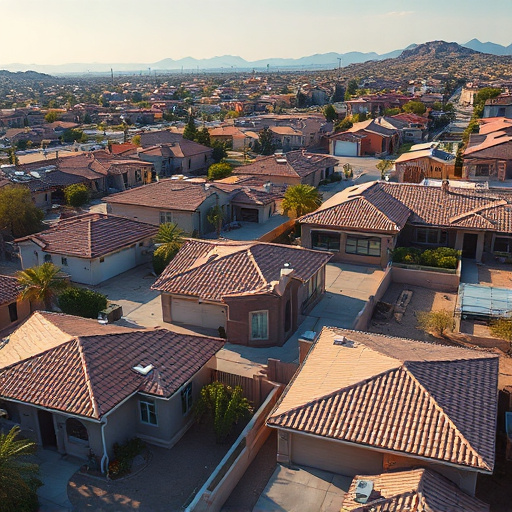
In the arid climate of Tucson, understanding how sun, heat, and UV exposure impact your roof is crucial for any homeowner or buyer considering a roof inspection before buying. The intense sunlight and high temperatures can accelerate the deterioration of roofing materials, making regular inspections vital to identify potential issues early. This article guides you through the key elements of a Tucson roof inspection, highlighting how these environmental factors are assessed to ensure the longevity and safety of your roof. By the end, you'll be equipped to navigate the process with confidence, knowing what to expect and how to protect your investment.
- Understanding Tucson's Unique Roof Inspection Needs
- Evaluating Sun, Heat, and UV Damage During Inspections
- Conducting a Comprehensive Roof Inspection Before Buying
Understanding Tucson's Unique Roof Inspection Needs
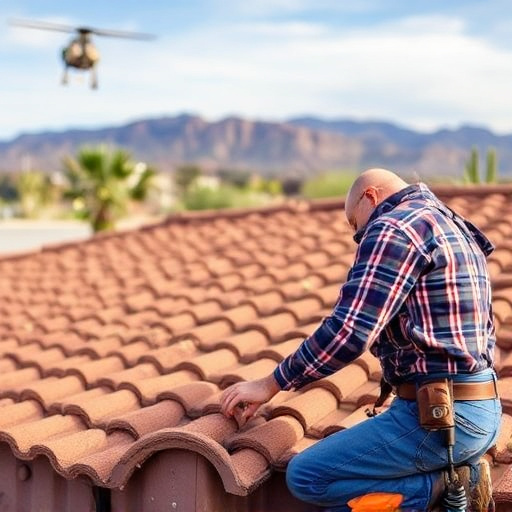
Tucson's unique climate presents specific challenges to roof inspections. The intense sun, scorching heat, and powerful UV radiation are key factors that can significantly impact a roof's condition and longevity. When considering a roof inspection before buying a property in this region, these environmental factors must be taken into account.
A comprehensive Tucson roof inspection goes beyond the typical visual assessment. It involves scrutinizing the roof's integrity against the harsh desert conditions. Inspectors will look for signs of UV damage, which can manifest as cracking or fading on shingles, especially on flat or low-sloped roofs. Ventilation and roof penetrations are also crucial areas of focus. Proper ventilation helps regulate roof temperatures, preventing excessive heat build-up and moisture accumulation. A licensed Tucson roofer with an Arizona ROC license will check for adequate ventilation, ensuring that vents are clear of debris and functioning correctly. These roof penetrations, including chimneys and plumbing vents, require careful inspection for any signs of damage or leaks, as they can be more susceptible to issues in extreme heat.
During the inspection, experts will assess the overall condition of the roof's underlayment, which acts as a secondary barrier against water intrusion. In Tucson, where intense sun and heat can accelerate the degradation of materials, the underlayment's integrity is vital. The inspector may recommend further testing for moisture intrusion, as the region's dry climate can make traditional methods of detection more challenging. Understanding these unique considerations can help buyers make informed decisions, ensuring that their investment in a Tucson property is protected.
Evaluating Sun, Heat, and UV Damage During Inspections
When conducting a roof inspection before buying in Tucson, one of the critical aspects we focus on is the sun, heat, and UV exposure. These factors play a significant role in determining the overall condition and remaining lifespan of a roof. The harsh desert climate in Tucson, characterized by intense sunlight, high temperatures, and minimal rainfall, can accelerate the deterioration of roofing materials.
During the inspection, our expert roof inspectors look for signs of sun damage, such as premature fading or cracking on shingles, which often indicates weakened areas that could lead to leaks. The heat is another significant factor; extreme temperatures can cause materials to expand and contract, putting stress on seams and connectors. We carefully examine the vents and attic for proper ventilation, as inadequate airflow can lead to increased heat buildup, damaging the roof structure. A lack of ventilation can cause wooden shakes to dry out and warp, significantly reducing their lifespan.
We inspect for signs of ponding water, which can occur when there are issues with drainage or flashing. Ponding water is a red flag as it not only weakens the integrity of the roof but also creates an ideal environment for mold and mildew growth. In a hot climate like Tucson's, where moisture can quickly evaporate, it's essential to ensure that water is effectively channeled away from the roof to prevent these issues. A local Tucson roofing company like ours understands these challenges and is equipped to provide thorough inspections that account for these unique environmental factors.
To mitigate the effects of UV exposure, we recommend using reflective or high-quality shingles that are designed to withstand intense sunlight. Regular inspections, ideally every six months, are crucial to catch potential issues early. By understanding how the sun, heat, and UV radiation impact different roofing materials, we can provide homeowners with expert advice tailored to the Tucson climate.
Conducting a Comprehensive Roof Inspection Before Buying
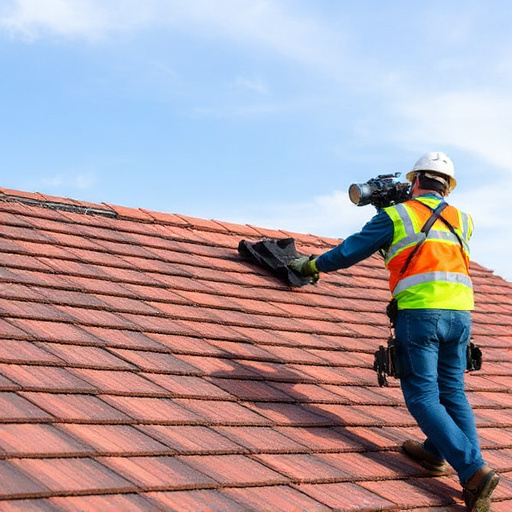
When considering purchasing a home in Tucson, a comprehensive roof inspection before buying is crucial. The area's unique climate, characterized by intense sunlight, high heat, and year-round UV exposure, significantly impacts a roof's condition and longevity. An experienced Tucson roof inspector will assess these factors, along with local building codes and weather patterns, to provide a thorough evaluation.
During a roof inspection before buying in Marana or the surrounding areas, the inspector will closely examine several key components. One of the primary areas of focus is the underlayment, which serves as a crucial barrier between the roof deck and the elements. UV damage is a common issue in Tucson due to the prolonged sun exposure, so inspectors will look for signs of deterioration or fraying in the underlayment. A damaged underlayment can lead to leaks and other structural issues, so identifying these problems early is essential.
Inspectors will assess the overall structure of the roof, checking for proper drainage to prevent water damage. This includes examining the condition of gutters, downspouts, and drains, as well as the integrity of the roof's surface. In summer heat, it's critical to inspect for signs of melting or cracking from heat exposure, which can indicate poor-quality materials or installation. An inspector will also pay attention to the roof's remaining life expectancy, providing insights into future maintenance needs and potential costs.
Frequently Asked Questions About an explainer on how sun, heat and UV exposure in Tucson show up during a roof inspection
What are the key factors that a roof inspector looks for when assessing a roof in Tucson due to its unique sun, heat, and UV exposure?
Roof inspectors in Tucson pay special attention to materials' durability and performance against intense solar radiation. This includes examining shingles or tiles for signs of early deterioration, cracking, or fading, which can indicate poor quality or failure under intense UV exposure. They also inspect for proper sealing around vents and chimneys to prevent water intrusion, crucial in the arid climate. They assess the condition of the underlayment, looking for signs of wear and tear, as well as the integrity of the roof's flashing to ensure water is effectively diverted away from the structure.
How does the intense sun in Tucson affect the lifespan of a roof?
The consistent, intense sunlight in Tucson can accelerate the aging process of roofing materials. UV rays break down the bonds in shingles, causing them to crack, curl, or become brittle over time. This can lead to leaks and, ultimately, the need for premature roof replacement. Inspectors look for these signs of sun damage to predict potential issues.
Can heat-related issues be indicated during a roof inspection?
Absolutely. The heat in Tucson can cause several issues. Inspectors will check for signs of thermal expansion or contraction that may have weakened the roof structure. They might also notice blisters or bubbles in the roofing material, indicating heat-related damage. These issues can lead to structural problems and water intrusion, making thorough inspection crucial.
What are some specific signs a Tucson roofer might look for to identify UV damage?
Look for discoloration or fading on the roof surface, which could indicate UV breakdown. Cracking or peeling of shingles is another red flag, as well as curled or buckled shingles. Inspectors will also check for missing granules on shingles, which are often worn off due to UV exposure. These visual cues signal the need for repairs or a possible roof replacement.
How can homeowners prepare for a roof inspection in Tucson considering the environmental factors?
Homeowners can help the inspection process by trimming nearby trees or shrubs that may obstruct the roof's surface. They should also ensure the roof is free from debris, as this can hide potential issues. Regular maintenance, such as checking for loose or damaged shingles, can also be beneficial. Being prepared for the inspection allows for a more efficient assessment of the roof's condition.
When conducting a roof inspection before buying in Tucson, understanding the unique environmental factors is crucial. The intense sun, scorching heat, and powerful UV exposure can accelerate roof deterioration. Inspectors should look for signs of sun-related damage, such as cracked or blistered shingles, which are common in the harsh Arizona climate. A thorough inspection includes examining the underlayment, where UV radiation can break down materials, and checking for proper drainage to prevent water damage, especially during the monsoon season. By taking these considerations into account, potential homebuyers can make informed decisions, ensuring their roof is in good condition and estimating its remaining lifespan. This proactive approach, backed by Tucson's local building codes and industry best practices, can save significant costs and trouble in the long run.
Tucson's roof inspections go beyond the norm due to its harsh sun, heat, and UV radiation. Inspectors look for UV damage, proper ventilation, and roof penetration issues. The underlayment, crucial for protection, is assessed for damage. Regular inspections are vital to catch problems early, ensuring the roof's longevity in the extreme climate.