
In the arid climate of Tucson, your roof is a critical component that protects your home from the sun, wind, and occasional monsoon rains. Regular inspections are essential to ensure its longevity, especially before and after the challenging seasonal changes. A thorough roof inspection can help you avoid costly repairs and even provide a clearer picture of your home's remaining roof life estimate. This article guides you through the process, offering practical tips and insights into what to look for, whether you're buying, selling, or simply maintaining your property. By the end, you'll be equipped to make informed decisions about your roof's health and future.
- Pre-Monsoon: Assessing Your Roof's Health
- During Monsoon: Safety and Observation Tips
- Post-Monsoon: Calculating Remaining Roof Life
Pre-Monsoon: Assessing Your Roof's Health

Before the monsoon season hits Tucson, it's crucial to assess your roof's health to ensure it can withstand the coming weather patterns. This pre-monsoon inspection is an essential step in maintaining your home's integrity and can help you make informed decisions about your roof's future. DC Roofing of Arizona, a licensed Tucson roofing contractor, recommends focusing on several key areas during this time.
One of the primary indicators of a roof's health are scuppers-the drainage systems that prevent water from pooling on your roof. During your inspection, check for any clogs or damage to these crucial components. Clogged scuppers can lead to water damage, mold growth, and even structural issues. Examine the roof penetrations, such as vents and chimneys, for proper sealing and integrity. Proper sealing is vital to preventing water intrusion and ensuring the longevity of your roof. An infrared scan can also be valuable at this stage, as it can detect areas of potential moisture buildup or heat anomalies that might indicate leaks.
Another critical aspect to consider is the overall condition of your roofing materials, especially if your roof is made of tile or flat roofing materials. Look for any missing or damaged shingles, tiles, or membrane sheets. This visual assessment can give you a good idea of your roof's remaining useful life. If you notice significant deterioration or missing pieces, it might be time to think about a roof replacement, as repairing these issues may not be cost-effective in the long run. Assess the condition of your roof's underlayment, which provides an extra layer of protection against weather and moisture. A healthy underlayment is essential for maintaining the structural integrity of your roof. By the time monsoon season arrives, you'll have a clear understanding of your roof's current state and can plan any necessary repairs or replacements, ensuring your home stays protected.
During Monsoon: Safety and Observation Tips
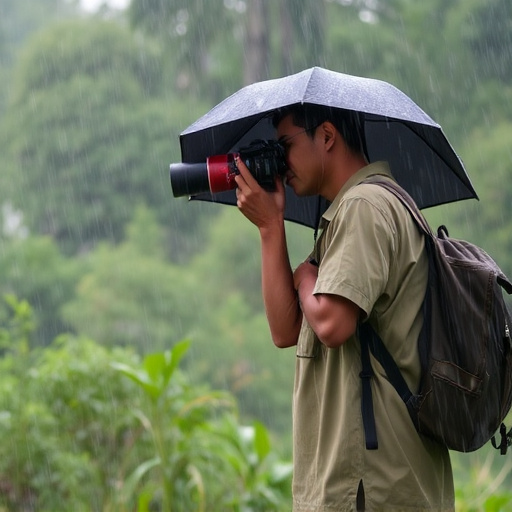
As monsoon season approaches, inspecting your Tucson roof becomes crucial for both safety and property value. High winds, intense rainfall, and hailstorms can all contribute to damage, making a proactive approach vital. Here's a detailed guide on how to conduct a thorough roof inspection during this critical period, focusing on safety and observation tips.
Start by putting safety first. Monsoon conditions can be unpredictable, so ensure you wear appropriate safety gear, including a hard hat, sturdy shoes, and safety goggles. If your roof is particularly high or complex, consider hiring a licensed Tucson roofing contractor for a professional assessment. They can provide expert insights and ensure the safety of both the inspector and your property. During the inspection, look for any signs of weakness or damage, such as missing or damaged shingles, flashing issues, or discolored areas indicating leaks. Be vigilant for loose or broken tiles, especially on flat roofs, as these can be easily dislodged by strong winds.
Focusing on key components, inspect the scuppers-drainage channels designed to divert water away from your roof-to ensure they're clear and functioning properly. Clogged scuppers can lead to water damage and potential structural issues, especially during heavy monsoon rains. Check the underlayment for any signs of wear and tear. A damaged underlayment can compromise your roof's integrity, so take close note of any tears, holes, or mold growth. Remember, your remaining roof life estimate could be significantly affected by these factors.
After the inspection, document all findings, both positive and negative. A detailed report will not only help you keep track of your roof's condition but also serve as valuable data when considering a home sale in Oro Valley or nearby areas. If significant issues are discovered, prioritize repairs to mitigate risks and ensure the longevity of your roof. Regular, seasonal inspections are a smart investment, protecting your property and potentially saving you from costly, unforeseen repairs in the future.
Post-Monsoon: Calculating Remaining Roof Life
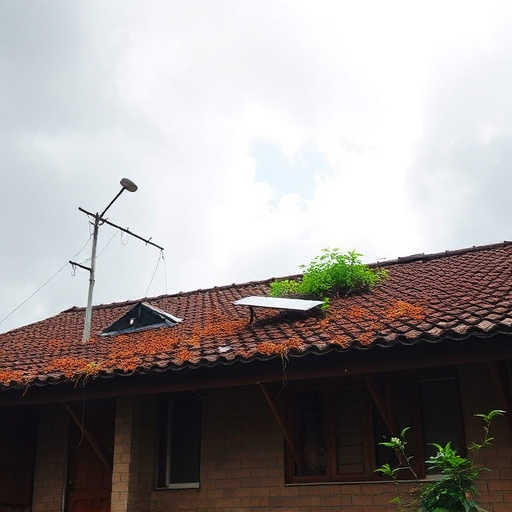
After the monsoon season, one of the key tasks for homeowners in Tucson is to assess the health and remaining roof life of their property. This post-monsoon inspection is crucial to identify any damage caused by the intense weather patterns and to predict future maintenance needs. The primary focus here is on calculating the remaining roof life estimate, a valuable tool for homeowners and a licensed Tucson roofing contractor alike.
A thorough inspection involves a detailed look at various components. Flashing, for instance, must be examined for any signs of wear and tear, especially around chimneys and vents, as these areas are particularly vulnerable during monsoon storms. In regions like Tucson, where extreme weather conditions can vary from year to year, keeping an eye on coating wear is also essential. A professional roofer will assess the condition of the roof's exterior coating, as UV exposure and high temperatures can accelerate its deterioration. These inspections are not just about identifying issues; they also provide valuable insights into the overall durability of the roof.
The remaining roof life estimate is a calculated prediction based on multiple factors, including the age of the roof, its material, local weather patterns, and the condition of its components. A well-maintained tile roof in Tucson might have a remaining life of 20 to 25 years, while a metal roof could last 30 years or more with proper care. After a monsoon season with severe weather, this estimate can be refined. A licensed local roofer can provide a more accurate assessment, taking into account any observed damage and the current state of the roof's structural elements. Regular post-monsoon inspections, combined with expert knowledge, are key to ensuring the longevity of your roof and making informed decisions regarding its maintenance.
Frequently Asked Questions About seasonal advice on inspecting a Tucson roof before and after monsoon season
What should I look for when inspecting my roof before monsoon season?
Before monsoon season, focus on visual assessments. Look for loose or missing shingles, visible signs of water damage, and any areas where the roofing material appears worn or cracked. Examine the roof's drains and downspouts to ensure they're clear and functional, allowing for proper water flow and preventing clogs that could lead to leaks. Also, check for proper ventilation, as adequate air circulation helps protect against heat damage and reduces moisture buildup.
How does monsoon season impact a roof's health?
Monsoon season brings intense weather conditions: heavy rainfall, high winds, and sudden temperature changes. These factors can accelerate wear and tear on roofs, particularly on older or damaged structures. Monsoon storms can cause leaks, structural damage, and even collapse if the roof is already weakened or compromised. Regular pre-monsoon inspections are crucial to identify and address these issues.
When should I schedule a professional roof inspection?
Professional inspections are recommended at least once a year, ideally before monsoon season. A licensed Tucson roofing contractor, such as DC Roofing of Arizona, can conduct a thorough assessment, identifying potential problems that may be missed by homeowners. They have the expertise and tools to inspect all roof types, including flat roofs, and can provide expert advice on repairs or replacements.
What are the signs of a damaged roof after monsoon season?
After monsoon season, inspect your roof for water stains, bubbling or peeling paint, discolored or missing shingles, and signs of mold or mildew. These are indicators of potential leaks or water intrusion. Also, look for signs of structural damage, like warped or bent rafters, which could require immediate attention from a roofing professional.
How do I prepare my roof for the next monsoon season?
Post-monsoon, maintain your roof by clearing debris from gutters and downspouts to prevent clogs. Repair or replace any damaged shingles or flashing immediately. Regular cleaning and maintenance, including re-sealing and coating, can extend the life of your roof. A professional inspection can help identify areas needing attention, ensuring your roof is in optimal condition for the next monsoon.
As Tucson's monsoon season winds down, it's crucial to reflect on the key insights gained from pre-, during, and post-monsoon roof inspections. By assessing your roof's health before the storms, you can identify potential issues and make informed decisions during the peak of the season. During monsoon, safety should always come first, and being vigilant about observations can prevent costly repairs. After the season, understanding your roof's remaining life is invaluable for planning and budgeting. This strategic approach, from proactive assessment to post-monsoon analysis, ensures your roof is in its best condition, protecting your home and investment for years to come. A thorough understanding of these steps and their impact on your roof's longevity is a powerful tool for any Tucson homeowner.
Before and after monsoon seasons, inspect your Tucson roof for:
- Scuppers: Clear drainage, no clogs or damage.
- Roof penetrations: Proper sealing around vents, chimneys.
- Roofing materials: Missing/damaged shingles, tiles, or membrane sheets (indicates remaining roof life estimate).
- Underlayment: Inspect for wear, tears, mold (critical for structural integrity).
Safety first: wear appropriate gear, consider professional help for high/complex roofs. Document findings for accurate remaining roof life estimate and future repairs. Regular inspections protect your property and save costs.