Roof inspections are crucial in Tucson, where extreme weather, including intense summer heat and monsoon storms, can significantly impact your home's most vital protection-the roof. For home buyers and sellers, understanding the process and its benefits is essential, especially when a sale is on the line. Many questions arise: What exactly does a roof inspection involve? How can it protect your investment? And what about certifications for a smooth sale?
In this guide, we'll demystify the roof inspection process, from the crucial flat roof drainage check to reading the report. We'll navigate the who, what, when, and why, ensuring you're informed and confident when dealing with Tucson's roofing experts.
- Understanding Tucson's Roof Inspection Requirements
- The Flat Roof Drainage Check: What to Expect
- Securing Your Investment: Certification & Next Steps
Understanding Tucson's Roof Inspection Requirements
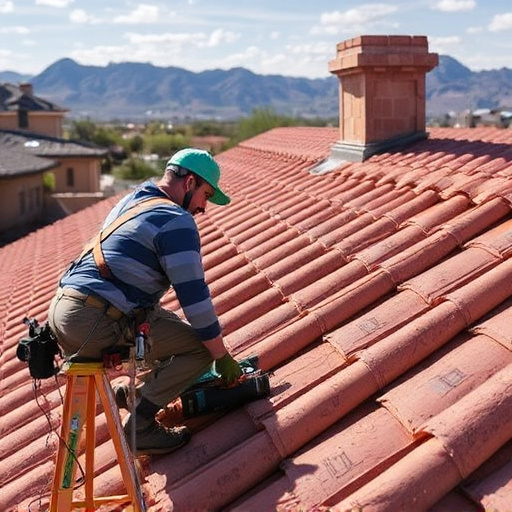
In Tucson, understanding the roof inspection requirements is crucial for both home buyers and sellers. A professional roof inspection before a sale or purchase is essential to ensure the property's structural integrity and identify any potential issues. This process involves a thorough evaluation of various aspects, including the overall condition of the roof, drainage systems, and critical components like scuppers.
Tucson's climate, with its distinct seasons and weather patterns, necessitates specific attention to roof drainage. A licensed roofer with an Arizona ROC license will assess the flat roof drainage system to ensure it's functioning optimally. This includes inspecting scuppers, which are crucial for diverting water away from the building, preventing damage, and extending the roof's lifespan. A proper flat roof drainage check is vital, especially in areas prone to heavy rainfall or snowmelt, as it can significantly impact the long-term health of the structure.
The inspection report, a key outcome of this process, provides a comprehensive overview of the roof's condition. Homebuyers and sellers should familiarize themselves with the details within the report, paying close attention to any recommendations for repairs or replacements. If issues with the tile underlayment or foam roof coating are noted, these should be addressed promptly. Regular inspections, typically recommended every few years, are crucial for maintaining the report's accuracy and ensuring the property's protection against potential leaks and other structural problems. For insurance renewals, having up-to-date inspection results can streamline the process and potentially save costs.
The Flat Roof Drainage Check: What to Expect
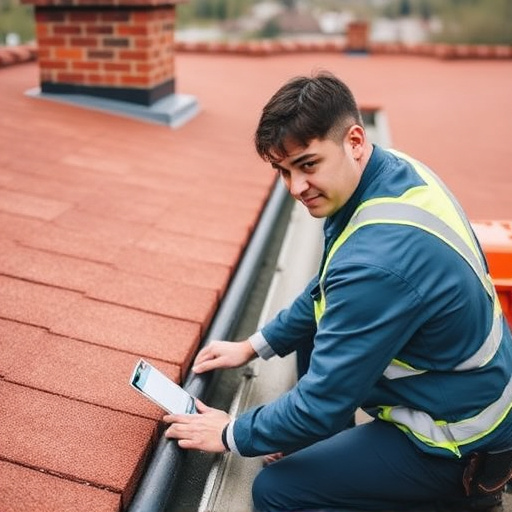
When considering a purchase or sale of a home in Oro Valley, a thorough roof inspection is crucial, especially for the flat roof drainage check. This aspect of the inspection is often overlooked but can significantly impact the property's value and your insurance costs, particularly during monsoon season.
The flat roof drainage check is a critical component of any roof inspection in our area. DC Roofing of Arizona, a local and licensed Oro Valley roofer, ensures that the drainage system is clear, properly pitched, and free from debris. This process involves visually inspecting the gutters and downspouts for clogs, corrosion, or misalignments. A well-functioning drainage system is essential for diverting rainwater away from the foundation, preventing flooding, and reducing the risk of costly water damage. A blocked downspout can lead to water pooling around the home's perimeter, causing potential structural issues and fostering the growth of mold and mildew.
During a monsoon, heavy rainfall can expose drainage problems that may go unnoticed during quieter weather. Homebuyers and sellers should be aware that a comprehensive inspection should include a close look at the roof's drainage capabilities. This is especially true for flat roofs, which are more prone to pooling water and are subject to increased wear and tear during intense weather patterns. A professional inspector will also check for signs of damage or leaks, which could indicate poor drainage as a contributing factor. By addressing these issues before or at the time of purchase, homeowners can avoid unexpected problems and ensure their investment is protected.
When negotiating a sale or reviewing a home inspection report, be sure to ask about the roof's drainage system. A qualified inspector will provide detailed findings, including any recommended repairs or maintenance. This information is valuable when assessing the overall condition of the property and can impact insurance renewal decisions. Remember, proper roof drainage is not just about aesthetics; it's about protecting your investment and ensuring the longevity of your home, especially in our region's unique climate.
Securing Your Investment: Certification & Next Steps

Securing Your Investment: Certification & Next Steps
A thorough roof inspection is non-negotiable when buying or selling a home in Tucson, especially for those with flat roofs. This process involves a meticulous assessment of your roof's condition, providing invaluable insights into its remaining lifespan and potential issues. After an experienced Tucson roof inspector completes their evaluation, you'll receive a comprehensive report detailing their findings. This report is crucial, as it will guide your next steps, whether you're a buyer or seller, and ensure you're making informed decisions.
For buyers, a roof certification during a sale offers protection. It confirms the roof's integrity, including a flat roof drainage check, to avoid costly surprises. If significant issues are found, you can negotiate repairs or ask the seller to mitigate the problem before closing. For sellers, addressing roof concerns upfront enhances the property's appeal. It demonstrates due diligence to potential buyers, potentially increasing the sale's value and speed. Remember, a certified roof gives buyers peace of mind, which can be a significant factor in a competitive market like Oro Valley.
After the inspection, if issues are identified, prioritize them based on severity and impact. A minor vent problem may be an easy fix, while coating wear on your metal roof could be a more significant concern. An experienced Tucson roof inspector can provide expert advice on these matters. They might recommend regular maintenance for minor issues or suggest repairs or replacements for more severe problems. In some cases, insurance companies may require a roof certification for renewal, especially after a dust storm or hail event.
When moving forward with a sale, ensure all repairs are completed by a licensed contractor and that any certifications are up to date. This process demonstrates your commitment to maintaining a safe and secure home. It aligns with local building codes and regulations, such as those from the Tucson Building Department, which prioritize safety and quality.
Frequently Asked Questions About an Explainer for Home Buyers and Sellers in Tucson on Roof Inspections and Roof Certifications During a Sale
What is the purpose of a roof inspection during a real estate transaction?
A roof inspection is a thorough evaluation of a home's roofing system, designed to identify any potential issues or needed repairs. In Tucson, this is crucial as the area experiences varying weather conditions, from intense sun exposure to occasional storms. For buyers and sellers, a roof inspection provides transparency, ensuring both parties understand the roof's condition and any associated costs. It's a critical step in a real estate transaction, helping to avoid unexpected problems and facilitating a smoother sale or purchase.
Do I need a roof certification for a home sale in Tucson?
While not always required by law in Tucson, roof certification is highly recommended during a real estate sale. It provides an independent assessment of the roof's condition and longevity, offering peace of mind to buyers. DC Roofing of Arizona, a licensed local contractor, can provide such certification, ensuring the report is detailed and accurate. This documentation can be invaluable in negotiations, as it provides a clear understanding of the roof's current state and potential future costs.
How long does a typical roof inspection take?
Most roof inspections in the Oro Valley area take between one to two days, depending on the size and complexity of the property. Inspectors will thoroughly examine the roof's structure, materials, and overall integrity. They'll also assess the surrounding areas, including gutters, downspouts, and ventilation. During this process, they may use specialized equipment to detect any underlying issues.
What should I expect during a roof inspection?
During an inspection, a licensed roofer, like those from DC Roofing of Arizona, will meticulously inspect the roof from the ground and, if necessary, ascend to the roof itself. They'll look for signs of damage, leaks, missing or damaged shingles, and check the underlayment. They'll also assess the roof's drainage system and ventilation to ensure optimal performance. After the inspection, a detailed report will be provided, highlighting any findings and potential recommendations for repairs or maintenance.
Are there any red flags I should look out for during a roof inspection?
Absolutely. Some red flags include missing or damaged shingles, visible signs of water damage, mold or mildew, rusted flashing or gutters, and inadequate ventilation. These issues can indicate more serious problems, such as leaks or structural damage. A qualified inspector will point these out, allowing buyers and sellers to address them before closing the deal.
How can I prepare for a roof inspection?
To prepare for a roof inspection, ensure that the area around the property is clear and safe for access. Remove any obstacles, such as cars or outdoor furniture, that might impede the inspector's view or access to the roof. Also, be prepared to provide the inspector with relevant information, such as the roof's age, previous repairs, and any known issues. This will help streamline the process and ensure a comprehensive evaluation.
When considering a home purchase or sale in Tucson, understanding the importance of a thorough roof inspection is crucial. This process, mandated by local building codes, goes beyond a visual assessment. It involves a comprehensive flat roof drainage check, examining the integrity of the underlayment, and even the condition of the ceiling and attic. By securing a professional roof certification, buyers and sellers gain valuable insights into the roof's remaining life, potential issues, and the scope of necessary repairs.
This knowledge empowers stakeholders to make informed decisions. For buyers, it allows them to negotiate the sale price and identify any additional costs. Sellers can ensure they leave a positive impression on potential buyers by addressing any identified issues before the inspection. Understanding the local regulations and industry best practices ensures a seamless transaction and protects everyone involved.
Tucson's roof inspection requirements are designed to safeguard investments and promote homeownership. By embracing these processes, from the initial inspection to securing certification, residents can confidently navigate the real estate market, ensuring their homes are in optimal condition.
In Tucson, understanding roof inspection requirements is vital for home buyers and sellers. A professional inspection, including a thorough flat roof drainage check, ensures structural integrity and identifies potential issues. This check is crucial due to Tucson's distinct climate and weather patterns, especially for heavy rainfall and snowmelt areas. The inspection report provides critical insights, guiding buyers and sellers in maintaining and repairing the roof. Regular inspections, recommended every few years, can save costs for insurance renewals. For Oro Valley residents, a certified roof enhances the property's appeal and provides peace of mind, aligning with local building codes. Prioritize issues based on severity, and ensure all repairs meet building department standards.