Roof inspections are a critical component of any real estate transaction in Tucson, offering invaluable insights into a home's condition and longevity. For both buyers and sellers, understanding what a roof inspection entails and its impact on the sale process is essential. The challenge lies in navigating the complexities of these assessments, especially with varying climate conditions, local building codes, and the need for accurate, reliable data.
This article guides you through the process, offering insights into moisture detection for leaks, the role of professional inspectors, and how to interpret the results for a smooth sale. We'll explore best practices, regulatory aspects, and the steps to ensure a thorough yet cost-effective roof certification, catering to both home buyers and sellers in Tucson.
- Understanding Tucson Roof Inspection Requirements
- Moisture Detection: Finding Leaks Naturally
- Roof Certification: Ensuring Home Value Transparency
Understanding Tucson Roof Inspection Requirements
Understanding Tucson Roof Inspection Requirements
When buying or selling a home in Tucson, a thorough roof inspection is crucial. This process goes beyond a quick visual assessment, especially in our region's diverse climate conditions, like those found in Marana and Vail. A professional inspection includes a meticulous evaluation of several key components, with a focus on identifying potential moisture intrusion, a common concern in our arid environment.
Local building codes dictate the frequency of these inspections. Generally, a roof inspection is required before buying or selling, especially after significant weather events like a dust storm or hail. It's also wise to consider one before a major renovation, such as installing a new HVAC system or removing a swamp cooler, as these changes can affect the roof's structural integrity and water resistance. Removing a swamp cooler might expose areas that were previously protected, necessitating a closer look for signs of leaks or moisture damage.
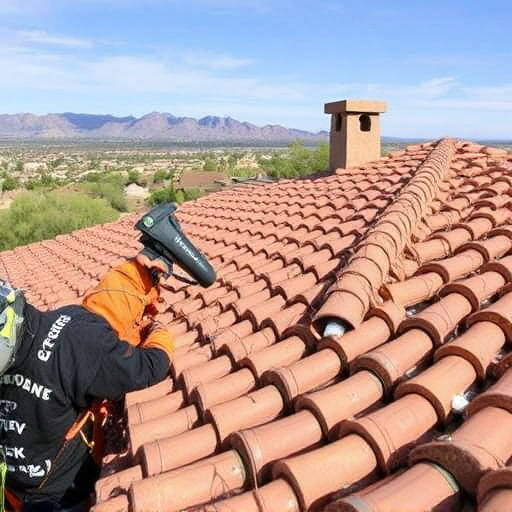
During the inspection, a licensed Tucson roofing contractor will employ both traditional and advanced methods. This includes a detailed examination of the tile underlayment, ensuring it's in good condition and properly installed. They'll also check for the integrity of foam roof coatings and assess the effectiveness of flat roof drainage systems. In some cases, especially for commercial properties or historic homes, drone photos can capture hard-to-reach areas, offering a more comprehensive view of the roof's condition. The inspector will also perform moisture detection for leaks, using advanced tools to pinpoint any hidden sources of water intrusion, a critical step in avoiding costly, unnecessary repairs.
After the inspection, you'll receive a detailed report outlining the findings. This document is vital for negotiating the sale price and for insurance renewal, as it provides a clear picture of the roof's condition and any necessary repairs. Understanding the report and asking your inspector questions, such as those regarding historic home considerations or the remaining roof life estimate, can help ensure a smooth transaction.
Moisture Detection: Finding Leaks Naturally
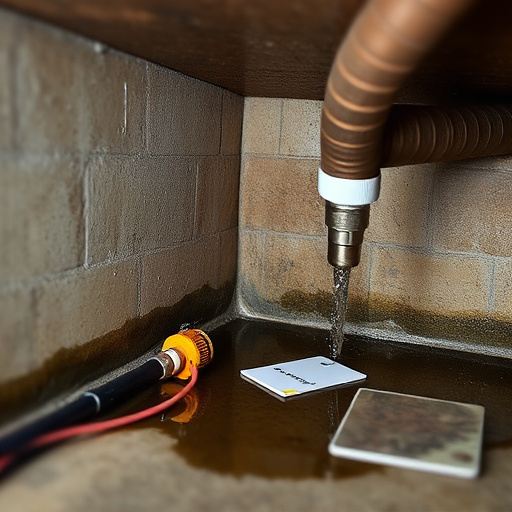
When considering a home purchase or sale, especially in our arid climate, understanding moisture detection for leaks naturally is crucial. This goes beyond a visual roof inspection; it involves a thorough assessment of the roof's underlayment and overall condition to identify any signs of water intrusion. The goal is to ensure the structural integrity of the home and prevent costly, unforeseen repairs post-sale.
DC Roofing of Arizona, a licensed Oro Valley area roofing contractor, emphasizes the importance of moisture meters in the roof certification process. These tools are designed to detect moisture levels, a key indicator of potential leaks or damage. During a roof inspection, a professional roofer will use a moisture meter to scan the roof's surface and underlayment. Readings above a certain threshold may signal a problem, prompting further investigation. A reading of 10 or higher on a moisture meter suggests excess moisture, which could be a red flag for leaks or mold growth.
Beyond the initial reading, a thorough roof inspection includes checking for proper drainage systems and the condition of the underlayment. In our region, where intense summer heat can accelerate wear and tear, a qualified inspector will look for signs of deterioration or missing shingles. An old or damaged underlayment is more susceptible to water damage, so its condition is critical. The expert inspector will also assess the attic and ceilings for any signs of water stains or mold growth, as these can indicate previous leaks. By combining these observations with the moisture meter readings, a comprehensive understanding of the roof's health is achieved, enabling buyers and sellers to make informed decisions.
When negotiating a sale, keep in mind that a thorough roof inspection and certification can prevent future disputes. If a home warranty program is involved, understanding the scope of coverage regarding roof-related issues is essential. Knowing the condition of the roof and any underlying moisture problems can help negotiate terms that protect both the buyer and seller. If a roof certification reveals extensive moisture damage, the buyer may request repairs be completed before finalizing the sale.
Roof Certification: Ensuring Home Value Transparency
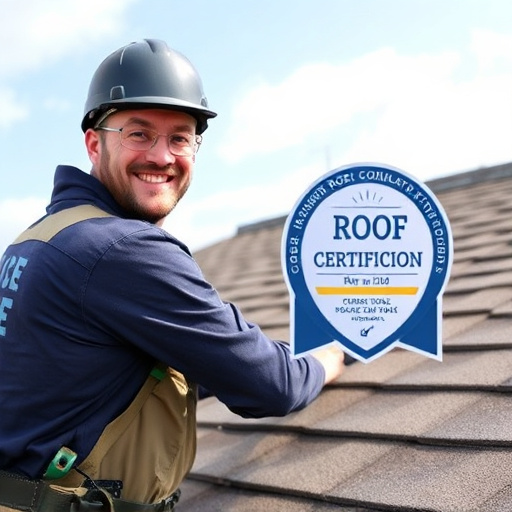
A roof certification during a Tucson home sale goes beyond a simple visual inspection. It's a critical step to ensure transparency in the transaction and protect both buyers and sellers. This process involves a thorough evaluation of the roof's condition, looking for any signs of damage, leaks, or moisture intrusion that could impact the home's value and longevity. A licensed Arizona roofer, for instance, can provide expert insights into the remaining roof life estimate, identifying subtle issues like UV damage that might be missed by the untrained eye.
The certification process includes meticulous checks on critical components like the attic, where damaged insulation or missing underlayment can lead to significant problems. Roofers use specialized equipment to detect moisture, ensuring no leaks have gone unnoticed. This is especially crucial in Tucson's unique climate, where extreme heat and occasional monsoon storms can accelerate roof deterioration. By addressing these issues before the sale, both buyers and sellers gain peace of mind, knowing the home's roof is in sound condition.
During a roof certification for a sale, experts also scrutinize the overall structure, looking for signs of wear and tear. This includes examining the tile underlayment, checking for proper drainage on flat roofs, and even assessing the condition of the parapet wall. These detailed inspections are designed to uncover any potential red flags that could affect the property's value. After a dust storm, a thorough inspection might be necessary to identify any damage or debris that could impact the roof's performance.
Understanding the results of a roof certification is key. A qualified inspector will provide a detailed report, explaining any findings and suggesting necessary repairs or maintenance. This report becomes a valuable tool for negotiating the sale. By being aware of the roof's condition, buyers and sellers can make informed decisions, ensuring a smooth home sale that accounts for all structural aspects, including the roof-a critical component in maintaining a home's value and safety.
Frequently Asked Questions About an Explainer for Home Buyers and Sellers in Tucson on Roof Inspections and Roof Certifications During a Sale
What is the purpose of a roof inspection during a real estate transaction? A roof inspection is crucial for identifying any defects, damage, or necessary repairs before finalizing a sale. It protects both buyers and sellers by ensuring the roof's condition is transparently communicated, helping to avoid costly surprises post-purchase. In Tucson, a thorough inspection by a licensed local roofer, like DC Roofing of Arizona, can reveal issues like missing shingles, leaks, or poor drainage that might affect the home's value.
How does a roof certification impact the home-selling process? A roof certification provides a third-party assessment of the roof's condition, often required by lenders and preferred by buyers. It offers a clear picture of the roof's remaining lifespan, potential issues, and maintenance needs. This document can be a valuable asset for sellers as it demonstrates the roof's soundness to potential buyers, potentially speeding up the sale and negotiations.
Are there different types of roof inspections? Yes, inspections can vary based on the type of roof and the scope of the assessment. A standard inspection covers the structural integrity and overall condition of the roof. A more comprehensive "roof certification" involves a detailed evaluation, including material analysis, and can include recommendations for repairs or replacement. For standing seam metal roofs, specialized inspectors with experience in this material are recommended.
What should buyers look for during a roof inspection? Buyers should look for signs of wear and tear, such as missing or damaged shingles, rust or leaks at the flashing, and signs of water damage. Also, check for proper drainage away from the home's foundation to prevent water pooling. A licensed inspector will assess these and other factors, ensuring the roof meets safety and local building codes.
How long does a typical roof inspection take? Most roof inspections take one to two days, depending on the roof's size and complexity. The inspector will thoroughly examine the roof, accessing areas visible from the exterior, and may need to enter the attic or crawl space for a complete evaluation.
As potential Tucson home buyers and sellers, understanding the intricacies of roof inspections and certifications is crucial. This article has illuminated several key aspects. Firstly, Tucson's local building codes and weather patterns necessitate regular inspections, especially pre-monsoon and after extreme weather events like hail or dust storms. Moisture detection, a natural component of these checks, is vital for identifying leaks early, which is critical in Arizona's climate.
Roof certification, a critical step in the sale process, ensures transparency and protects both parties. It provides a clear picture of a roof's remaining lifespan and any necessary repairs, helping to negotiate terms fairly. By following these practices, buyers and sellers can make informed decisions, ensuring the home's value is accurately represented.
Practical steps include scheduling a professional inspection, reviewing the report for any issues, and considering the cost of repairs in negotiations. Remember, a well-maintained roof is a significant asset, and a thorough understanding of these processes can lead to a smoother, more successful transaction.
A thorough roof inspection in Tucson, mandated by local building codes, is crucial for buyers and sellers, especially in our arid climate. This process involves advanced moisture detection for leaks, examining the underlayment, drainage systems, and overall roof condition. A licensed roofer uses tools like moisture meters to identify issues, ensuring structural integrity and preventing costly repairs. Understanding the roof's health through this certification protects both parties during the sale and helps negotiate terms, especially with home warranties.