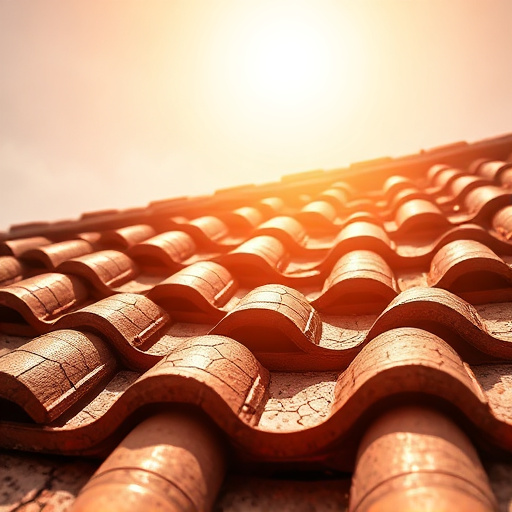
The Arizona sun can be a double-edged sword for your roof. While the warmth is essential for our desert climate, prolonged sun exposure and heat accelerate the aging process of roofing materials. UV radiation can weaken shingles, underlayments, and even the glue that holds them together. In Tucson, where the summer heat can be intense, a thorough roof inspection becomes crucial, revealing potential issues that may not be evident in milder climes. This article examines the unique challenges of inspecting roofs in summer heat, providing homeowners and property managers with valuable insights to protect their investments. We'll explore specific checks, best practices, and how to ensure a comprehensive assessment under the blazing Arizona sun.
- Understanding Tucson's Unique Roof Inspection Challenges
- Assessing Heat, Sun, and UV Damage During Summer
- Best Practices for Natural Roof Inspection in Hot Climate
Understanding Tucson's Unique Roof Inspection Challenges
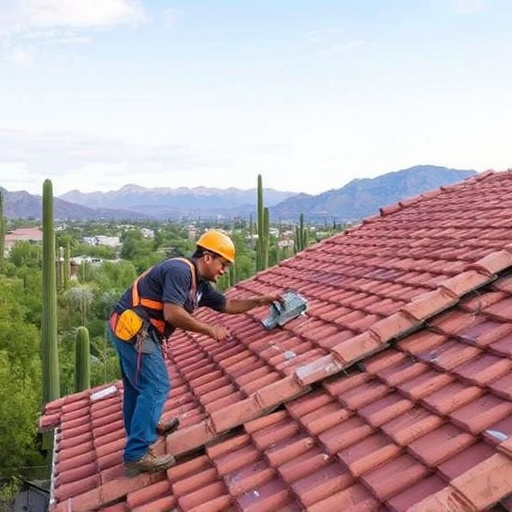
Tucson's hot, dry summers present unique challenges for roof inspections. The intense sun and UV exposure can accelerate the deterioration of roofing materials, making regular, thorough inspections crucial. During a summer inspection, a trained eye should look for signs of sun-induced damage, such as cracked or curled shingles, which may be more prevalent in areas directly exposed to the sun. Flashing, a crucial component that seals joints and prevents moisture intrusion, can become loose or corroded due to heat expansion and contraction, creating potential entry points for water.
Moisture meters are essential tools to inspect roofs in summer heat. They help identify hidden moisture problems, like leaks or condensation, which can be especially insidious during these conditions. A local Tucson roofing company's expert inspector will use these tools to verify the roof's integrity and uncover potential issues that may go unnoticed in cooler climates. A moisture meter can indicate elevated humidity levels, suggesting a ventilation problem or even a weak underlayment.
Slippage of tiles or shingles is another concern unique to Tucson's climate. The intense heat can cause these materials to shrink or warp slightly, leading to gaps or misalignments. Inspectors should check for loose or missing shingles, especially around chimneys and roof valleys, areas more susceptible to slipping in the hot, dry air. Proper inspection techniques in summer heat involve a meticulous visual survey, combined with the use of advanced tools, to ensure the roof's longevity and protect the entire structure from potential damage.
Assessing Heat, Sun, and UV Damage During Summer
In the scorching summer heat of Tucson, a roof inspection takes on added significance. The sun's intensity and the region's unique UV exposure can leave telltale signs of damage that are often missed during routine checks. Inspectors must be vigilant, as these factors can accelerate the aging process of roofing materials, leading to more frequent repairs and replacements. When inspecting roofs in summer heat, pay close attention to areas that are more vulnerable to sun and heat damage, such as roof valleys, where debris can accumulate and create moisture problems.
The intense Tucson sunlight can cause several issues. Asphalt shingles, a common roofing material, can lose their integrity and become brittle when exposed to prolonged UV radiation. This can result in cracks, splits, and loose shingles, especially in areas that receive direct sunlight for extended periods. Similarly, the heat can cause the underlayment, the layer beneath the shingles, to become damaged, leading to leaks and other structural issues. Inspectors should look for signs of thermal damage, such as warping or discoloration, in these areas.
During a summer inspection, it's crucial to check for proper drainage in roof valleys and along the edges. Heat and sunlight can cause water to pool, leading to damage from prolonged moisture exposure. With the increased risk of wildfires in the region, inspectors should be on the lookout for any signs of charring or damage from embers, especially in areas with flammable vegetation nearby. DC Roofing of Arizona, a local expert in the field, emphasizes the importance of a thorough summer inspection to identify and mitigate potential issues before they become costly problems, particularly during the monsoon season.
For insurance renewal or preparing a home for sale, a comprehensive roof inspection is essential. It can provide valuable insights into the remaining life of your roof and help you make informed decisions regarding repairs, replacements, or upgrades. Remember, early detection is key to preventing more severe and costly damage down the line.
Best Practices for Natural Roof Inspection in Hot Climate
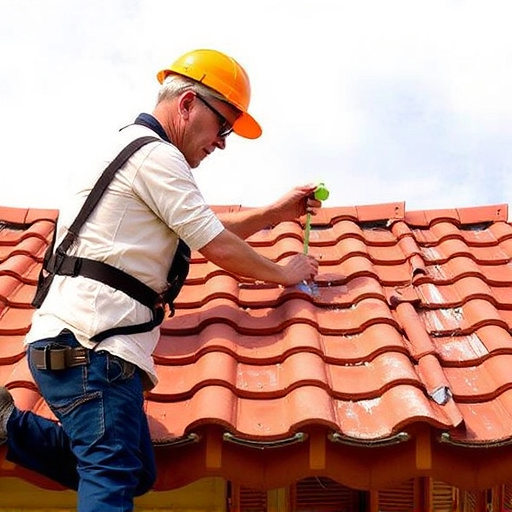
The scorching Tucson sun and intense heat can significantly impact a roof's condition, making natural inspection practices crucial during the summer months. As the monsoon season approaches, understanding how to assess a roof in these conditions is vital for both homeowners and property managers. When inspecting roofs in summer heat naturally, look for signs of coating wear, a common issue exacerbated by the area's unique climate. UV exposure can accelerate the deterioration of protective coatings, leaving roofs more susceptible to leaks and structural damage. A local Tucson roofing company may recommend periodic reapplication of reflective coatings to mitigate this effect.
During a walk-on inspection, pay close attention to the overall condition of the roofing materials. The heat can cause some tiles or shingles to become brittle, especially if they're not properly secured or if the underlayment is damaged. Check for any missing or loose shingles, which are more prone to detachment during extreme heat and high winds. Inspect the drain systems, as clogged or malfunctioning drains can lead to water accumulation and potential moisture damage during monsoon storms.
Drone technology offers a more comprehensive view of the roof's state, especially in hard-to-reach areas. While a visual inspection from the ground is essential, drones can capture high-resolution images of the entire roof surface, allowing for a more detailed analysis. This is particularly beneficial for flat roofs, which can conceal issues like poor drainage or damage caused by extreme temperatures. For historic homes, this non-intrusive approach ensures minimal disruption while still providing valuable insights into the roof's remaining life expectancy.
Frequently Asked Questions About an explainer on how sun, heat and UV exposure in Tucson show up during a roof inspection
What are the primary effects of sun, heat, and UV exposure on a roof? Sun, heat, and UV exposure can cause several visible and structural changes to a roof over time. The most notable effects include discoloration, degradation of materials, and weakened integrity. Shingles, for instance, may become faded or brittle due to prolonged sun exposure, while metal roofing can develop hot spots and cracks under intense heat. UV radiation breaks down the bonds in roofing materials, leading to peeling, peeling, and loose shingles.
How can I identify signs of sun damage on my roof? Look for consistent discoloration, particularly in areas directly facing the sun. Faded or stained shingles, blisters, cracks, and peeling are strong indicators. Also, check for loose or missing shingles, as well as signs of water damage, as sun exposure often weakens the seal around edges and joints, leading to leaks.
Does the type of roofing material matter in relation to sun damage? Absolutely. Different materials react differently to sun, heat, and UV exposure. Asphalt shingles are susceptible to fading and cracking, while metal roofing can expand and contract with extreme temperature changes, leading to damage over time. Tile roofs, though more durable, can also show signs of wear and tear from prolonged sun exposure.
How does heat affect the lifespan of a roof? Extreme heat can accelerate the aging process of a roof. It causes materials to expand and contract, putting stress on seams and connections. This can lead to early failure of joints, shingles, and underlayment. Regular inspection during hot months can help catch these issues early.
What measures can I take to protect my roof from sun and UV damage? Regular cleaning and sealing can prolong a roof's life. Applying reflective coatings or films to shingles and underlayment can reflect UV rays, reducing heat absorption. Maintaining proper ventilation in your attic can help regulate roof temperatures, minimizing the impact of sun and heat.
As Tucson's unique climate presents specific challenges for roof inspections, understanding how sun, heat, and UV exposure impact roofs is crucial. Inspecting roofs in summer heat naturally involves recognizing the signs of heat-related damage, such as cracked or blistered shingles, which can be more prevalent during these conditions. By assessing the roof's integrity under these conditions, professionals can identify potential issues early on, ensuring the longevity of Tucson's roofs.
Best practices for natural roof inspection in this hot climate include utilizing drone technology to efficiently check hard-to-reach areas, performing detailed tile underlayment inspections, and checking for foam roof coatings that may be susceptible to UV damage. Regularly inspecting attics and ceilings for moisture buildup, common in the summer heat, can prevent leaks and help extend the remaining roof life estimate.
With these insights, Tucson's roofing professionals can deliver more comprehensive and effective inspections, serving as a valuable resource for homeowners and businesses alike.
Tucson Summer Roof Inspection: Key Focus Areas
In the intense Tucson summer heat, roof inspections require heightened vigilance. The sun's UV radiation accelerates roofing material deterioration, demanding thorough, specialized attention. Key inspection points include:
- Sun-Induced Damage: Inspect for cracked or curled shingles, particularly in direct sunlight areas.
- Flashings & Moisture: Look for loose or corroded flashings, and use moisture meters to detect hidden issues like leaks or condensation.
- Tile/Shingle Slippage: Check for gaps or misalignments, especially around chimneys and valleys, due to heat-induced shrinkage.
- Proper Drainage: Ensure adequate drainage in valleys and edges to prevent water damage.
- Fire Safety: Be alert for charring or ember damage, especially near flammable vegetation.
- Coating Wear: Inspect for UV-induced wear on protective coatings, and consider reapplication for enhanced protection.