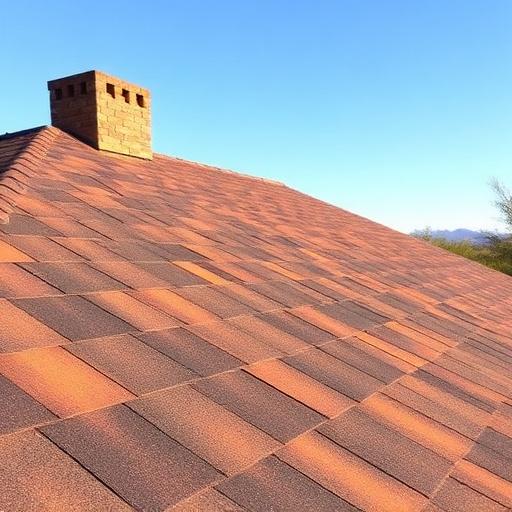
In Tucson, where the monsoons bring both life-giving rain and intense storms, your roof is a critical component that needs seasonal attention. A thorough roof inspection is essential for identifying potential issues, ensuring longevity, and preserving your investment-especially for historic homes with unique features like adobe roofs.
Before the summer heat intensifies and after the monsoon season's onslaught, you should consider a comprehensive inspection. This guide will walk you through the key aspects of a Tucson roof inspection, from what to look for to understanding the importance of professional expertise. We'll explore how to assess your roof's condition, the value of regular maintenance, and the crucial role inspections play in property value, insurance, and safety.
- Preparing Adobe Roofs for Monsoon: Essential Pre-Season Inspection
- Post-Monsoon Assessment: Identifying Monsoon-Related Damage
- Long-Term Maintenance: Post-Season Care for Adobe Roofs
Preparing Adobe Roofs for Monsoon: Essential Pre-Season Inspection
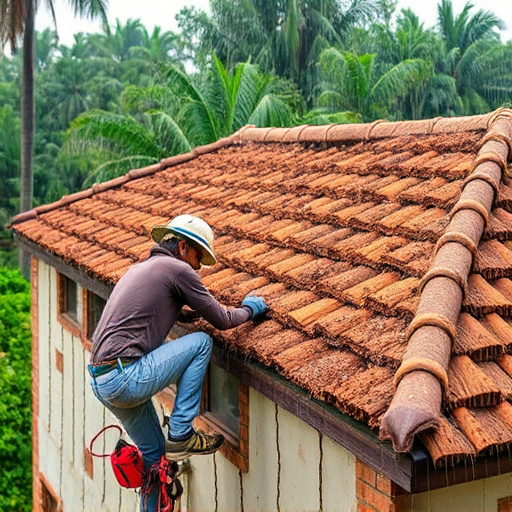
Preparing an Adobe Roof for Monsoon Season: A Seasonal Inspection Guide
In Tucson, monsoon season brings intense heat and powerful storms, putting significant strain on your roof. Adobe roofs, a common and aesthetically pleasing option in the region, require specific care and attention during this period. A thorough pre-monsoon inspection is crucial to identify potential issues, ensure the roof's longevity, and protect your investment. This process involves a meticulous examination of various elements, from the structural integrity of the roof to the condition of its components.
The inspection should start by assessing the overall structure and any visible signs of damage. Check for cracks in the adobe tiles, which can be a result of shifting soil due to changing monsoon conditions. Also, look for loose or missing tiles, which may expose the underlayment to potential water intrusion. Roof penetrations, such as vents and pipe openings, should be sealed properly to prevent water from entering. These areas are particularly vulnerable to leaks during heavy rainfall. Another critical aspect is the roof's drainage system, including valleys and gutters. Blockages or poor drainage can lead to water pooling, causing significant damage to the roof and the building.
After the visual inspection, a licensed Arizona roofer might recommend moisture detection to ensure there are no hidden leaks or areas of concern. This step is vital, especially in historic homes, where the roof's original construction methods might not align with modern standards. Finally, consider the roof's remaining life span and the potential impacts of the upcoming monsoon season. By addressing these factors, you can ensure your adobe roof is well-prepared to withstand the challenges of monsoon weather and extend its service life.
Post-Monsoon Assessment: Identifying Monsoon-Related Damage
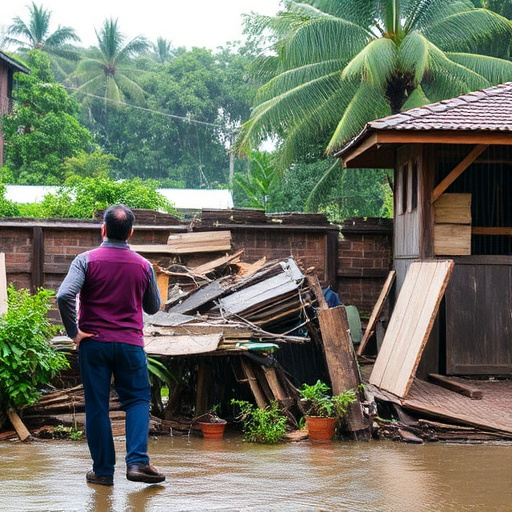
Post-Monsoon Assessment: Uncovering Monsoon-Induced Damage
Monsoon season in Tucson brings intense weather patterns, including heavy rainfall and powerful winds, posing unique challenges to your roof. After the monsoon passes, it's crucial to conduct a thorough inspection to identify any damage that may have occurred. A Tucson roofer with an Arizona ROC license understands the specific issues that arise during this time and can provide expert guidance. This assessment goes beyond a standard roof inspection; it focuses on the unique elements that monsoon storms bring.
One of the primary concerns during a post-monsoon inspection is ponding water. Intense rainfall can lead to water accumulation on your roof, especially in low-lying areas or around fixtures. This water can cause a range of issues, from structural damage to mold growth. Inspectors will look for signs of water stains, which might indicate leaks, and check for proper drainage systems to ensure water is swiftly directed away from your home. For flat roofs, which are more prone to ponding water, an infrared scan can be valuable. This technology detects heat variations, allowing professionals to identify areas of moisture buildup that might not be immediately visible.
Another critical aspect is examining the underlayment. Monsoon winds can cause significant stress on roofs, and the underlayment-the protective layer beneath the shingles-may show signs of damage. Look for torn or curled sheets, which could indicate that the underlayment has become compromised. A qualified inspector will also assess the condition of your roof's adobe components (if applicable), as these materials can be particularly susceptible to water damage. By addressing these issues promptly, you can prevent more severe and costly problems in the future.
Long-Term Maintenance: Post-Season Care for Adobe Roofs

As monsoon season approaches, homeowners in Tucson must turn their attention to a critical aspect of property maintenance: the inspection and care of their roofs. This is particularly important for adobe roofs, which are prevalent in the region and require specific post-season attention to ensure longevity. A roofing contractor serving Tucson and Oro Valley notes that these roofs, while beautiful, demand a unique approach to inspection and upkeep due to their distinct construction and environmental considerations.
Adobe roofs, characterized by their sun-dried clay or mud bricks, are susceptible to UV damage, which can cause the bricks to crack and the roof to lose its integrity over time. Monsoon storms can exacerbate these issues, as intense rainfall may lead to ceiling stains, water intrusion, and weakened structural support. Therefore, a thorough adobe roof inspection before and after monsoon season is crucial. During the inspection, experts should assess the condition of the roof tiles, looking for signs of wear and tear, cracks, or any signs of damage from recent storms. They will also check the underlayment, ensuring it remains intact and free from moisture, as this is essential for preventing leaks and prolonging the roof's life.
Post-monsoon care involves a multi-step process. First, repairing any damage sustained during the season is paramount. This may include replacing missing or damaged tiles or patching areas of the underlayment that have been affected by water. Next, applying a protective coating to the roof can mitigate further UV damage. A roofing contractor recommends using UV-resistant coatings specifically designed for adobe roofs, which can help shield the clay bricks from the sun's harsh rays. Finally, regular cleaning and maintenance, such as removing accumulated debris and examining the roof's drainage system, ensure that the adobe roof remains in optimal condition. By following these steps and scheduling a comprehensive adobe roof inspection, Tucson homeowners can extend the life of their roofs and protect their investments well into the future.
Frequently Asked Questions About seasonal advice on inspecting a Tucson roof before and after monsoon season
What are the key considerations when inspecting a roof for monsoon season?
When preparing for monsoon season in Tucson, a thorough roof inspection is crucial. Look for signs of damage, especially after storms, such as missing or loose shingles, leaks, or areas of discoloration. Check for proper drainage by ensuring downspouts are clear and functioning, as water accumulation can lead to structural issues. Also, examine the condition of the flashing around chimneys and vents to prevent water intrusion. Regular maintenance, including cleaning gutters and inspecting for weak spots, can help ensure your roof's longevity.
How can I identify potential damage from desert sun exposure?
The intense desert sun can cause several issues. Look for premature aging of shingles, including cracks, splits, or blisters. This can indicate sun damage or dry rot. Also, check for signs of copper staining, a common indicator of sun-related degradation. Regular cleaning to remove mold and mildew, and re-sealing, can help mitigate these effects. A professional inspection can pinpoint specific issues related to sun exposure.
What are the specific risks during monsoon storms?
Monsoon storms bring heavy rainfall, high winds, and lightning, posing significant risks to roofs. Inspect for loose or damaged shingles, as strong winds can lift them, causing leaks. Flash flooding can also lead to water damage, so ensure gutters and drains are clear. Lightning strikes are a hazard, so check for any signs of arcing or damage to the roof's metal components. Post-storm, assess for water stains, cracks, or structural deformities.
How often should I inspect my roof?
It's recommended to inspect your roof at least twice a year, especially before and after monsoon season. Regular maintenance can prevent small issues from becoming major problems. Checking for damage, cleaning gutters, and ensuring proper drainage can be done during these periodic inspections. A licensed contractor can provide a thorough assessment, identifying potential issues that may require professional repair or replacement.
What should I do if I notice water leaks after a storm?
Water leaks after storms require immediate attention. First, turn off the main water supply to prevent further damage. Then, locate the source of the leak by checking the attic or ceiling for stains. Contact a roofing professional to repair the leak promptly, as prolonged exposure to water can cause significant structural damage. Keep track of when and where leaks occur, as this information is valuable for future inspections and repairs.
Are there any specific maintenance tips for monsoon season?
Indeed, there are. Before monsoon season, clean gutters and downspouts to ensure proper water flow. Re-seal all cracks and gaps, especially around vents and chimneys. Inspect and replace any damaged or missing shingles. After a storm, check for tree limbs or debris that may have fallen onto the roof and remove them. Regular maintenance and prompt attention to issues will help protect your investment and ensure your home's safety during monsoon season.
Can a professional roofing contractor help with these inspections?
Absolutely. Professional roofing contractors have the expertise and tools to conduct thorough inspections. They can identify potential issues that may go unnoticed to the untrained eye. A licensed contractor can provide valuable insights and recommendations for maintenance and repairs. They can also assist with insurance claims, ensuring you receive the necessary coverage for any storm-related damage.
As monsoon season approaches, a thorough adobe roof inspection becomes crucial for Tucson homeowners. This article has outlined essential pre-season checks, including evaluating tile underlayment, foam roof coatings, and flat roof drainage systems. Post-monsoon assessments are vital to identify hail, wind, or dust storm damage, ensuring the roof's integrity and extending its remaining life. Long-term maintenance tips, like regular cleaning and moisture detection for leaks, are key to protecting historic homes. By following these seasonal guidelines, Tucson residents can ensure their adobe roofs withstand the unique challenges of the Arizona climate, maintaining property value and peace of mind.
Adobe Roof Inspection for Monsoon Season:
- Pre-Monsoon: Check for cracks, loose or missing tiles, and seal roof penetrations to prevent water intrusion.
- Moisture Detection: Use professional methods to identify hidden leaks, crucial in historic homes.
- Post-Monsoon: Inspect for ponding water, underlayment damage, and UV-related issues.
- Care: Repair damage, apply UV-resistant coatings, and maintain regular cleaning and drainage to extend roof life.
- Expert Guidance: Consult a licensed Arizona roofer for thorough inspections and seasonal maintenance.