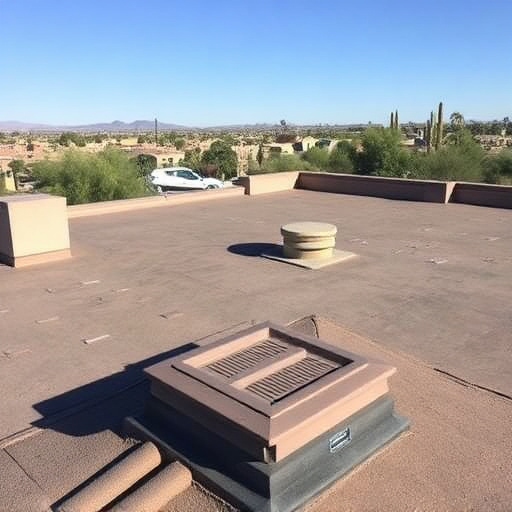
Homeowners in desert climates like Tucson face unique challenges for their roofs. The extreme heat, intense sunlight, and occasional storms can take a toll on roofing materials and structures. Regular roof inspections are crucial, yet many homeowners overlook their importance, leaving them vulnerable to costly surprises. This article provides a comprehensive, actionable checklist to help you spot potential roof problems between professional inspections. We'll explore the key areas to examine, including tile underlayment, foam coatings, drainage systems, and more, offering insights on how often to inspect a roof to ensure its longevity and protect your investment.
- Identifying Common Desert Roof Issues
- Regular Visual Checks: What to Look For
- When to Schedule a Professional Inspection
Identifying Common Desert Roof Issues
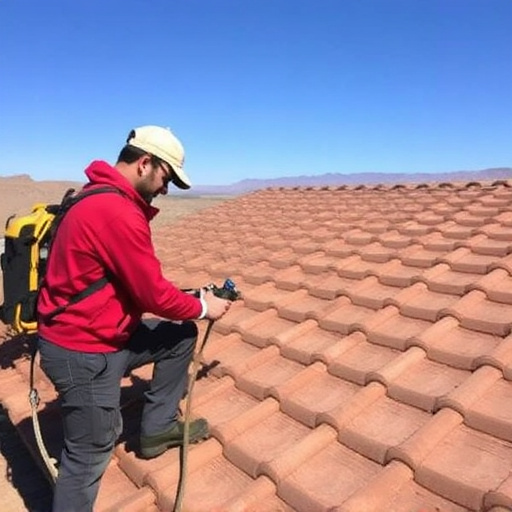
In the arid climate of the desert, your roof faces unique challenges. Regular inspections become even more critical here, as many issues can go unnoticed due to the region's extreme temperatures and minimal rainfall. This section equips homeowners with a comprehensive checklist to identify common desert roof problems between professional inspections.
One of the most significant concerns is the potential for intense sunlight to deteriorate materials. Look for signs of early aging, such as cracking or blushing in shingles or metal panels. Flashing, which prevents water intrusion at roof valleys and vents, is particularly vulnerable to heat-related damage. A detailed inspection should include checking for loose or damaged flashing, as well as signs of rust or corrosion in metal components. A licensed Tucson roofer with an Arizona ROC license will often recommend infrared scans to pinpoint leaks and areas of heat loss, which can be early indicators of problems.
The desert's extreme temperatures also impact the attic. Insulation should be checked for compacting or degradation, as heat can cause it to shrink or shift. Look for signs of moisture, as the lack of rainfall can lead to condensation issues. Examine the ventilation system for proper function; inadequate ventilation can cause the attic to heat up excessively, leading to potential structural damage. Regularly checking these aspects during your home's maintenance can prevent costly repairs.
Remember, the frequency of roof inspections depends on several factors, including the age of your home and local weather patterns. As a general guideline, consider a thorough inspection every two to three years, or more frequently if you live in an area prone to extreme weather events. This proactive approach will ensure your desert home's roof remains in top condition.
Regular Visual Checks: What to Look For

Regular visual checks are crucial for homeowners to maintain their desert-climate roofs between professional inspections. In areas like Oro Valley, where UV damage can be intense, these routine assessments can help catch potential issues early. While it's recommended to how often to inspect a roof at least annually, certain circumstances may warrant more frequent inspections, such as after extreme weather events or when noticing visible signs of damage.
Look for telltale signs of UV degradation, like faded or discolored shingles, which can indicate cracking or loss of protective coating. In the attic, check for any signs of moisture accumulation or mold growth, as these could point to leaks or inadequate ventilation. Examine the flashing around chimneys and vents for any cracks or damage, as these areas are particularly vulnerable to weather-related problems. Inspect the underlayment for any signs of wear or tearing, ensuring it remains intact and protected from the elements.
An experienced Tucson roof inspector often emphasizes the importance of checking for proper drainage after heavy rains or monsoons. Look for clogged gutters or downspouts that could lead to water pooling on the roof, which over time can cause wood rot and weaken structural elements. Keep an eye out for any visible gaps or damage around parapet walls and roof edges, as these areas are prone to weathering and can compromise the roof's integrity. Regularly inspecting your roof in the desert climate not only helps in identifying potential issues but also allows for proactive measures to be taken, ensuring the longevity and safety of your home.
When to Schedule a Professional Inspection
In the arid climate of Tucson, maintaining your roof is crucial for preventing damage and ensuring the longevity of your home. While professional inspections are recommended at least every two years, certain events or concerns may warrant an earlier evaluation. This checklist equips homeowners with the knowledge to identify red flags and make informed decisions regarding roof health, especially between professional inspections.
The frequency of roof inspections depends on several factors. First, homes in areas prone to extreme weather conditions, such as heavy winds or hail, should undergo more frequent assessments. In desert environments, where intense sunlight and rapid temperature changes occur, the roof may experience accelerated wear and tear. Regular inspections are vital to catch issues early, particularly for older homes or those with unique architectural features. Historic homes often require specialized care to preserve their roofing materials and techniques. An experienced Tucson roof inspector can pinpoint potential problems specific to these structures.
Another critical consideration is preparing for a home sale. A prospective buyer's agent may request a recent roof inspection as part of the due diligence process. This is especially true for homes over a certain age or those with substantial upgrades or repairs. Conducting a thorough inspection before putting your property on the market ensures you're aware of any potential red flags and allows for competitive pricing. If you've recently experienced severe weather events, like a dust storm or swamp cooler removal, it's wise to have a professional evaluate your roof's condition. An infrared scan, for example, can detect heat anomalies indicative of hidden moisture or damage, which is invaluable in the desert climate.
Keep in mind, regular maintenance, coupled with prompt attention to unusual signs, can significantly extend your roof's lifespan. By staying vigilant and heeding the advice of a qualified Tucson roof inspector, homeowners can ensure their investment remains protected, even between scheduled professional assessments.
Frequently Asked Questions About a homeowner checklist for spotting roof problems between professional inspections in the desert climate
What are the most common signs of roof damage in a desert climate? In arid environments, roofs are often susceptible to damage from intense sunlight, strong winds, and rapid temperature changes. Look for signs like missing or curled shingles, visible damage to the underlayment, dark spots indicating mold or fungus growth, and cracks or bulges in the roof structure. These issues can be exacerbated by extreme heat, which can cause materials to shrink, expand, or become brittle.
How often should I inspect my roof in a desert area? While professional inspections are recommended every 2-3 years, homeowners can conduct a basic visual check more frequently, at least once a year. Regularly inspecting your roof in a desert climate is crucial due to the harsh conditions that can accelerate wear and tear. Pay special attention after severe storms, high winds, or periods of prolonged hot weather.
Can I identify roof problems myself, or do I need a professional? While some basic issues are visible to untrained eyes, such as missing or damaged shingles, more complex problems require professional expertise. If you notice unusual noises, leaks, or signs of structural damage, consult a licensed Tucson roofing contractor. They have the tools and knowledge to diagnose subtle issues that could lead to costly repairs if left unchecked.
What should I do if I notice mold or mildew on my roof? Mold and mildew growth, often indicated by dark, discolored patches, is a common desert climate issue due to high humidity. While it may not immediately compromise the structural integrity of your roof, it's advisable to have a professional assess and address the problem. Improper cleanup or disregard for mold can lead to health issues for occupants and potential structural damage.
Are there any red flags that indicate I should immediately contact a roofer? Absolutely. Sudden and unexpected changes in the roof's appearance, such as significant bulging, leaking, or a loud, unidentifiable noise during storms, are immediate red flags. Also, if you notice a persistent, unidentifiable odor coming from your attic or ceiling area, it could signal a serious problem that requires immediate attention from a qualified roofer.
As a homeowner in a desert climate like Tucson, understanding the unique challenges that come with your roof is crucial. Regular visual checks and proactive inspections are key to maintaining a safe, sound structure. By being vigilant and familiar with common issues such as cracked tiles, missing underlayment, and moisture buildup, you can catch problems early.
While professional inspections are recommended at least every few years, especially before a sale or insurance renewal, homeowners can significantly contribute to roof health between these visits. Incorporating a quarterly or semi-annual check into your maintenance routine can be highly beneficial. These visual inspections should include examining the roof's overall condition, checking for signs of water damage, and ensuring proper drainage.
Knowing how often to inspect a roof, guided by local weather patterns and your home's age, empowers you to be an engaged homeowner. Remember, even minor issues can lead to significant damage if left unaddressed. By staying vigilant, you protect your investment, safeguard your family, and contribute to a longer-lasting, more efficient roof.
Homeowners in desert climates like Tucson should inspect their roofs regularly, at least annually, or more often if weather events or signs of damage occur. Key checks include:
- UV Degradation: Look for faded or discolored shingles.
- Attic Issues: Check for moisture, mold, and ventilation problems.
- Flashing & Underlayment: Inspect for damage, cracks, and wear.
- Drainage & Gutters: Ensure proper drainage after rainfall to prevent water damage.
- Perimeter Walls & Edges: Look for gaps and weather-related damage.
Professional inspections every 2-3 years are ideal, but be prepared for more frequent checks in extreme weather areas or when concerns arise. Regular attention, along with expert advice from Tucson roof inspectors, ensures roof health and longevity.