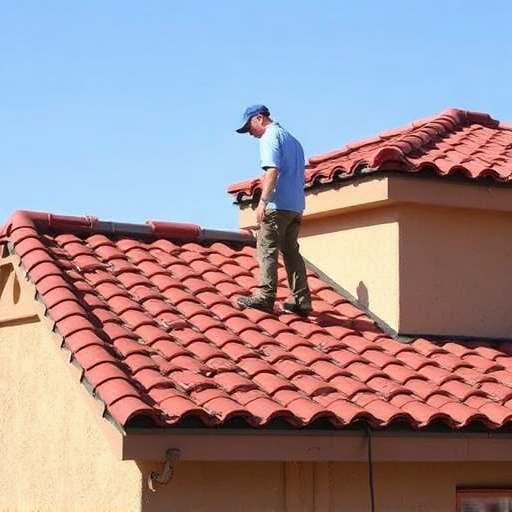
Tucson homeowners often face a complex task for maintaining their properties, especially when it concerns the roof-a crucial component in safeguarding homes from the elements. Regular professional roof inspections are essential, but understanding what these inspections entail can be challenging. This guide aims to demystify the process, providing homeowners with a clear picture of what a comprehensive roof inspection covers. We'll explore the critical aspects, from checking tile underlayment and foam roof coatings to detecting moisture and inspecting historic homes in the unique Arizona climate, including during the summer heat. By the end, you'll be equipped to interpret inspection findings and make informed decisions for your home's longevity.
- Understanding Tucson Roof Inspection Needs
- What a Professional Roof Inspector Looks For
- Interpreting Findings: Summer Heat Considerations
Understanding Tucson Roof Inspection Needs

Understanding Tucson Roof Inspection Needs
In Tucson, the unique climate presents specific challenges for roofs. Summer heat can be intense, with temperatures exceeding 100F, making it crucial to inspect roofs during cooler months. A professional roof inspection should account for these conditions, focusing on signs of stress from UV damage and heat, which can accelerate the degradation of materials. A thorough inspection will consider the impact of prolonged sun exposure on shingles, underlayments, and even metal components.
A local Tucson roofing company will assess roof penetrations, crucial for understanding potential entry points for water or pests. This includes examining vents, chimneys, and plumbing fixtures. An infrared scan can detect areas of heat loss or gain, indicating possible problems, including hidden leaks or damaged components. By integrating these advanced techniques, the inspection provides a comprehensive view of the roof's health.
During a pre-monsoon inspection, experts look for signs of previous damage, such as hail or wind, that might have gone unnoticed. This is especially important for historic homes, which require specialized care. The inspection also considers local weather patterns and building codes, ensuring any repairs meet current standards. By understanding these needs, Tucson homeowners can make informed decisions, whether planning a sale, purchasing a new home, or simply maintaining their property.
What a Professional Roof Inspector Looks For
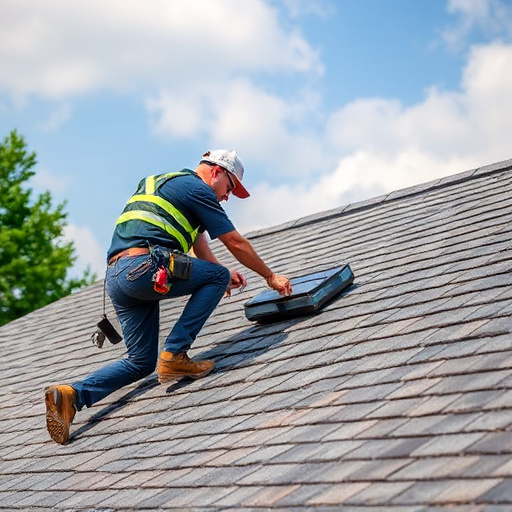
A professional roof inspector's role goes far beyond simply noting the obvious. When Tucson homeowners prepare for a home sale, a monsoon storm, or even a seasonal change, a thorough roof inspection can reveal crucial details about the roof's condition and longevity. During a hot summer, when heat can accelerate wear and tear, inspectors scrutinize every aspect of the roof to ensure its integrity.
Inspectors first assess the roof's exterior, looking for signs of damage from recent storms, such as missing or damaged shingles, flashing issues, or leaks. They examine the roof's structure, checking for proper drainage, intact gutters, and the condition of the underlayment, which acts as a secondary barrier against moisture. In the case of flat roofs, inspectors will pay special attention to the drainage system, often utilizing drone photos to capture a comprehensive view of the entire surface. This technology, a favored tool among many Tucson roofing contractors, allows for a detailed examination, especially in hard-to-reach areas.
The interior of the attic and ceiling space are also carefully inspected. The inspector will look for signs of water damage, mold growth, or inadequate ventilation, all of which can impact the roof's performance and the home's overall value. A key part of the process involves moisture detection, using advanced tools to pinpoint any leaks that may not be immediately visible. After the inspection, homeowners receive a detailed report outlining the findings, which can be invaluable when negotiating the terms of a home sale or understanding the scope of necessary repairs.
Interpreting Findings: Summer Heat Considerations
When Tucson summers heat up, a professional roof inspection takes on added importance. The intense sun, high winds, and sudden storms can put extra stress on your roof, exposing vulnerabilities that might go unnoticed during milder seasons. A thorough inspection should account for these summer considerations.
Experienced roofers, like those at DC Roofing of Arizona, a licensed Tucson roofer with an Arizona ROC license, will look for signs of stress-related damage. This includes slipped tiles, which can expose the underlayment to the elements, and loose or damaged roof valleys and scuppers. These components are crucial for proper drainage, and their failure can lead to water intrusion and leaks. Inspectors will also assess the overall condition of the roof's coating, checking for cracks or blisters that could indicate the need for a re-coating or repair.
To these visual checks, a summer inspection should include moisture detection for leaks. High humidity and intense sunlight can accelerate the growth of mold and mildew, which can be hidden under the roof surface. A qualified inspector will use advanced tools to pinpoint any areas of moisture intrusion, ensuring that your home remains protected from water damage. By addressing these issues proactively, you can extend the life of your roof and avoid costly repairs during the peak of the monsoon season.
Frequently Asked Questions About a practical guide for Tucson homeowners on what a professional roof inspection covers and what the findings mean
What is the purpose of a professional roof inspection? A professional roof inspection is crucial for Tucson homeowners to assess the condition and longevity of their roof. It involves a thorough examination of the roof structure, materials, and components. The inspector looks for signs of damage, wear, or potential issues, providing valuable insights to help with maintenance, repairs, or replacements.
What types of issues does a professional roof inspection cover? The inspection covers a wide range of elements, including structural integrity, flashing and sealant condition, underlayment health, shingle or tile condition, vents and drains, and the overall roof system's performance. Inspectors also check for signs of water damage, mold growth, or pest infestations that might compromise the roof's integrity.
How often should I get my roof inspected? The frequency of roof inspections depends on various factors, including the roof's age, material, and local weather conditions. As a general guideline, Tucson homeowners should consider a professional inspection every 2 to 3 years. More frequent inspections might be recommended after severe weather events or if you notice signs of damage or leaks.
What should I do with the findings from a roof inspection? After a professional roof inspection, review the findings carefully. If issues are identified, prioritize them based on severity. Minor problems can often be addressed with routine maintenance, while major concerns might require immediate attention from a roofing professional. Keep detailed records of inspections and repairs for future reference.
Can a professional roof inspection help with HOA approval? Absolutely. If you're in a homeowners association (HOA) area, a detailed roof inspection report can be invaluable when submitting applications for roof replacements or significant repairs. The report provides evidence of the roof's condition, helping to ensure your proposal aligns with HOA guidelines and regulations. Keep in mind that specific requirements may vary, so consult your HOA documents and rules.
What happens if a professional inspection finds major damage? If significant damage or issues are discovered during the inspection, the inspector will document them thoroughly. They may provide estimates for repairs or replacements and recommend contractors for further evaluation and remediation. It's essential to prioritize the safety and integrity of your home, so take the necessary steps to address any critical findings promptly.
Tucson homeowners now possess a comprehensive understanding of the key elements involved in a professional roof inspection. By knowing what inspectors scrutinize, from tile underlayment to moisture detection, you can better interpret the findings and make informed decisions.
In the context of Tucson's climate, inspecting roofs in summer heat is crucial. The article highlights the importance of considering how the intense sun and high temperatures can affect roofing materials and the overall condition of a roof. By understanding these considerations, you can ensure your roof is in top shape, even during the hot summer months.
Practical next steps include scheduling a thorough inspection at least once a year, especially before monsoon season. Keep records of all findings and communicate openly with your inspector about any concerns. If issues are discovered, prioritize repairs to avoid more serious, costly problems down the line.
By following these guidelines, Tucson homeowners can maintain a safe, reliable roof over their heads, ensuring peace of mind and protecting their investment.
Tucson's extreme summer heat necessitates proactive roof inspections. Professional inspectors scrutinize roofs for signs of accelerated wear and tear, focusing on UV damage, heat stress, and potential water intrusion. They assess exterior, structure, and interior components, using advanced tools to detect leaks and moisture issues. Regular inspections, especially in summer, extend roof life, prevent costly repairs, and maintain home value.