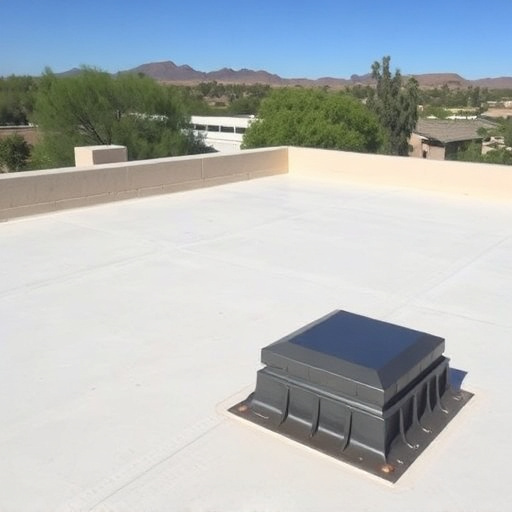
In southern Arizona, a roof inspection is a crucial step in maintaining your home or property's value and safety, especially with the region's unique climate and potential weather hazards. However, navigating the process can be confusing: understanding what's involved, how much it costs, and how often it's necessary can feel overwhelming. This article provides a plain-language guide to the cost, timing, and paperwork of a roof inspection in this area, focusing on what to expect and how to read a roof inspection report. We'll break down the process, ensuring you're equipped to make informed decisions about your property's most important protection: its roof.
- Understanding the Roof Inspection Process in Southern Arizona
- Deciphering a Roof Inspection Report: Key Elements
- Timing and Costs: Preparing for Your Roof Inspection
Understanding the Roof Inspection Process in Southern Arizona
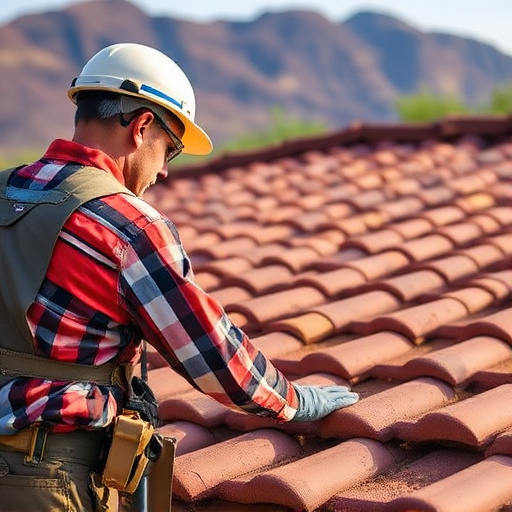
A thorough roof inspection in southern Arizona involves several key steps, each designed to provide a comprehensive assessment of your roof's condition. The process begins with a visual examination, where a qualified inspector looks for any signs of damage, including ceiling stains, roof penetrations, or evidence of water damage. This initial survey helps pinpoint areas that may require further investigation.
Next, the inspector will conduct a detailed inspection of the roof's components. This includes checking the tile underlayment for any damage, assessing the integrity of foam roof coatings, and ensuring proper drainage systems are in place to prevent ponding water. These checks are vital to ensure the roof's longevity and prevent future issues. Proper drainage can prevent the build-up of water, which can lead to leaks and structural damage.
Once the roof is thoroughly inspected, the professional will document their findings. A clear and detailed roof inspection report is crucial as it provides a comprehensive record of the roof's condition. This report should include photographs, descriptions of defects, and recommendations for repairs or maintenance. It's important to read and understand this report, as it will guide any necessary actions and help you make informed decisions about your roof's health. A Tucson roofer with an Arizona ROC license will be able to explain the report and answer any questions, ensuring you have a clear picture of your roof's current state.
Timing-wise, a thorough roof inspection in southern Arizona typically takes one to two days, depending on the size and complexity of the roof. The paperwork involved is relatively straightforward, but it's essential to ensure the inspector follows local building codes and regulations. Many roofing companies offer both drone and walk-on inspection options, each providing a comprehensive view of the roof's condition. Regular inspections, especially before monsoon seasons and after extreme weather events, are recommended to catch potential issues early and ensure the safety and integrity of your home.
Deciphering a Roof Inspection Report: Key Elements
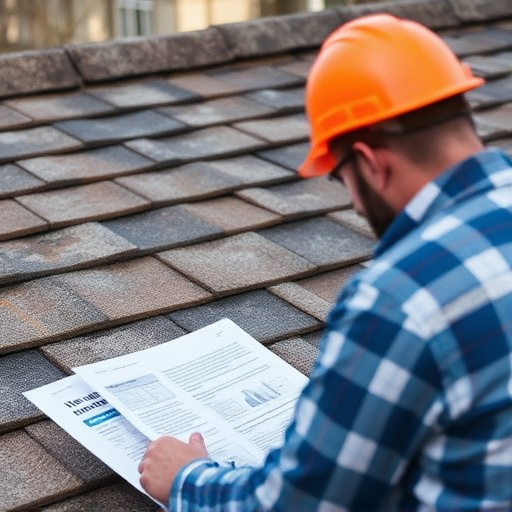
A roof inspection report is a crucial document that can make or break your decision when buying, selling, or maintaining a property in southern Arizona. As a homeowner or investor, understanding its key elements is essential. An experienced Tucson roof inspector will provide detailed findings on the condition of your roof, helping you make informed choices.
Reading a roof inspection report involves scrutinizing various aspects. One critical section is the assessment of UV damage, a common concern in our region's sunny climate. The inspector will note signs of degradation from intense sunlight, especially on flat or low-pitched roofs, where water runoff is slower. Scuppers-the small openings designed to divert water-may be blocked or damaged, affecting drainage. The report should include a clear description of these features and any recommendations for repair or replacement. If the inspector identifies severe UV damage, they might suggest re-coating or replacing certain sections to extend the roof's lifespan.
Another vital component is the evaluation of the roof's underlayment. This layer provides an extra barrier against moisture and temperature extremes. An inspector will check for signs of wear, tearing, or separation from the shingles above. In Vail, where snow and ice are common during winter, proper underlayment is crucial for preventing water intrusion and structural damage. The report should detail the condition of the underlayment and any necessary repairs or replacements, ensuring your roof is well-protected.
A comprehensive roof inspection report will include recommendations for maintenance and potential future repairs. It may highlight areas of concern, such as missing or loose shingles, flashing issues, or signs of wood rot, and provide guidance on the best course of action. If the inspection uncovers a small leak, the report could suggest sealing it to prevent further damage or recommend a full repair, depending on the extent of the issue. By understanding these key elements, you'll be better equipped to navigate the complexities of a roof inspection report and make informed decisions about your southern Arizona property.
Timing and Costs: Preparing for Your Roof Inspection
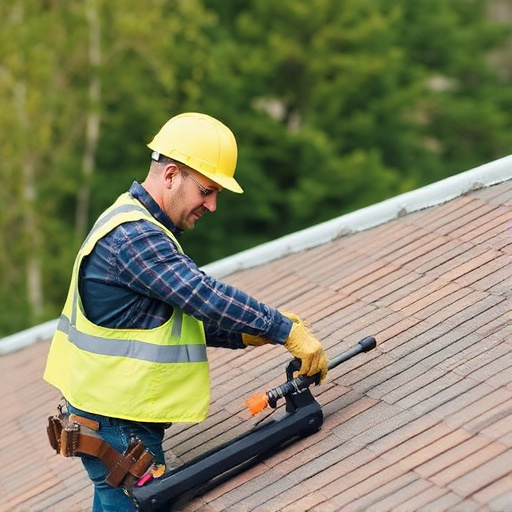
When preparing for a roof inspection in southern Arizona, understanding the timing, costs, and paperwork involved is crucial. The first step is to schedule an inspection with a licensed roofing contractor serving Tucson and Oro Valley. This professional will assess your roof's condition and provide a detailed report. Keep in mind that timing plays a significant role; the best time to inspect is before the monsoon season, typically from late spring to early summer. This period is crucial as it allows for any necessary repairs to be addressed before potential water damage intensifies.
The cost of a roof inspection varies depending on several factors, including the size and complexity of your roof, the type of property, and the extent of the inspection. A thorough inspection, which includes drone photos to capture hard-to-reach areas, a detailed examination of flashing around parapets, and a comprehensive look at the underlayment, can range from $200 to $400. While this might seem like a significant investment, it's a fraction of the cost of unexpected roof repairs or replacement. Many insurance companies require a recent inspection for renewal, so budgeting for this expense is a sensible proactive measure.
After the inspection, you'll receive a detailed report outlining the findings. Reading a roof inspection report is essential, as it provides a clear picture of your roof's health. Look for sections detailing the condition of various components, such as the structure, underlayment, flashing, and gutters. The report should also include recommendations for repairs or replacements. If the inspection reveals damaged flashing around parapets, the report might suggest re-fastening or replacing this component to prevent water intrusion.
Prepare for your inspection by taking inventory of any recent changes, such as the removal of a swamp cooler or the addition of new landscaping, as these can impact your roof's performance. Keep in mind that a professional inspector may also offer advice on energy-efficient upgrades or improvements that can enhance your home's value and reduce future maintenance costs.
Frequently Asked Questions About a Plain Language Look at the Cost, Timing and Paperwork of a Roof Inspection in Southern Arizona
What is the purpose of a roof inspection? A roof inspection is a thorough evaluation of your home's roofing system, designed to identify any potential issues or areas of concern. It's a proactive measure to ensure the longevity and integrity of your roof, providing peace of mind and helping to avoid costly repairs in the future. DC Roofing of Arizona, a licensed Oro Valley area roofing contractor, typically performs these inspections, examining the overall condition, structure, and functionality of your roof.
How often should I have a roof inspection? The frequency of inspections depends on several factors, including the age of your roof, local climate conditions, and the quality of initial installation. As a general guideline, most roofs in southern Arizona may require an inspection every 2-3 years. However, if you notice any signs of damage, leaks, or unusual noises, it's advisable to schedule an inspection sooner.
What should I expect during a roof inspection? During the inspection, a licensed roofer will meticulously examine every aspect of your roof, from the underlayment and flashing to the shingles or tiles. They will look for signs of wear, damage, or potential problem areas, and will document their findings. The process typically takes 1-2 hours, and upon completion, you'll receive a detailed report outlining the condition of your roof and any recommended repairs or replacements.
How much does a roof inspection cost? The cost of a roof inspection varies depending on the size and complexity of your property's roofing system. Most inspections range from $150 to $300, but this can be higher for larger or more intricate roofs. Some companies may include the cost of the inspection as part of their maintenance packages, which can be a cost-effective option for regular roof checks.
What kind of paperwork is involved in a roof inspection? After the inspection, you will receive a comprehensive report detailing the findings. This document will include photographs, descriptions, and recommendations for any necessary repairs or replacements. Keep this report for your records, as it can be valuable when planning future roofing projects or when selling your home, as it provides clear evidence of the roof's condition.
Can I do a roof inspection myself? While it's possible for homeowners to conduct a basic roof inspection, it's not recommended. Roof inspections require specialized knowledge and equipment to identify potential issues accurately. A licensed roofing contractor, like DC Roofing of Arizona, has the expertise and tools to spot even subtle problems. For your safety and the integrity of your roof, it's best to leave inspections to the professionals.
A thorough roof inspection is a crucial step in maintaining or selling your southern Arizona property. By understanding the process, costs, and what to expect in a report, you're empowered to make informed decisions. Regular inspections, ideally before buying or selling, can reveal potential issues early, saving time and money. Reading a roof inspection report is key; it provides a detailed snapshot of your roof's condition, including its remaining life, needed repairs, and areas requiring maintenance.
Timing and costs vary based on your roof's age, type, and local weather patterns. In southern Arizona, most inspections take one to two days, with costs typically ranging from $300 to $600. Some factors may increase these, such as a need for additional checks or extensive damage. Professional inspectors follow industry best practices and local building codes, ensuring accurate assessments.
Next steps include reviewing the report meticulously, understanding the recommendations, and prioritizing repairs or maintenance. Addressing moisture detection for leaks early can prevent larger, costlier issues. If negotiating with inspection results, have questions ready for the inspector, ensuring a clear understanding of their findings. Regular inspections, backed by a thorough reading of the report, are your best defense against unexpected roof problems.
Roof Inspection in Southern Arizona: A Practical guide
A thorough roof inspection involves visual examination, detailed component check, documentation, and analysis of a report. It takes 1-2 days, costs $200-$400, and is recommended before monsoon seasons.
Key Steps:
1. Visual Inspection: Look for damage, water stains, or roof penetration.
2. Detailed Check: Examine underlayment, foam coatings, and drainage systems.
3. Documentation: A licensed roofer creates a detailed report with photos and recommendations.
Reading the Report:
Focus on sections detailing:
- UV damage and scuppers.
- Underlayment condition.
- Repairs or replacements needed.
- Maintenance guidance and potential future repairs.
Best Practices:
- Schedule inspections before monsoon.
- Budget for inspection as preventative maintenance.
- Take inventory of recent changes for the inspector.
- Act on report recommendations for optimal roof health.