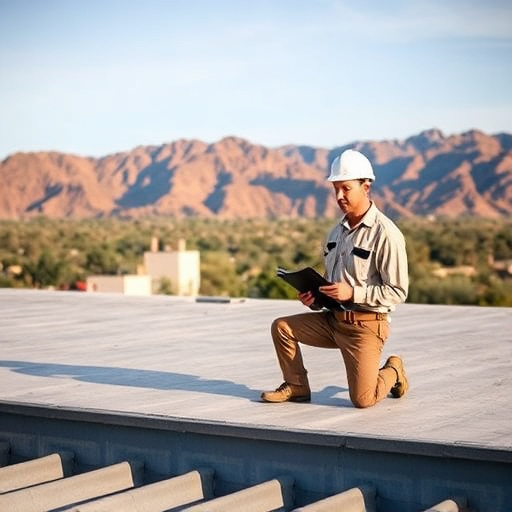
Roof inspections are critical in Arizona, where extreme weather conditions, including monsoon storms and dust, can significantly impact a home's most vulnerable component. The challenge lies in ensuring these inspections are thorough, accurate, and compliant with local building codes-especially when they're needed for insurance claims or policy renewals. This article provides expert guidance on what a Tucson roof inspection includes, focusing on key aspects like tile underlayment inspection, foam roof coating check, and moisture detection for leaks. We'll explore best practices, industry standards, and practical tips to help homeowners, contractors, and insurers navigate this essential process, ensuring roofs are safe, sound, and protected.
- Understanding Arizona's Roof Inspection Requirements
- Conducting a Comprehensive Roof Assessment for Claims
- The Role of Foam Roof Coating Checks in Policy Renewals
Understanding Arizona's Roof Inspection Requirements

In Arizona, understanding the specific roof inspection requirements is crucial for both homeowners and insurance companies, especially during policy renewals and insurance claims. The state's Building Department and local authorities enforce strict standards to ensure the safety and integrity of roofs. An experienced Tucson roof inspector will assess various elements, including flashing, tile underlayment, and foam roof coating, to determine a roof's condition.
For insurance renewals, Arizona law mandates roof inspections in certain situations. If a policyholder is claiming damage from weather events like hail or wind, a recent inspection may be required. Similarly, when selling a property, a roof certification is often necessary to ensure potential buyers are aware of the roof's remaining life and any potential issues. The inspection report should include detailed findings, such as evidence of ponding water, which could indicate flashing issues or improper drainage, both of which are red flags for insurance companies.
The frequency of inspections varies depending on the type of roof and local weather patterns. In Tucson, where extreme heat and occasional dust storms are common, regular inspections are recommended to catch potential problems early. Most installations require re-inspection every 2-3 years, but older roofs or those with unique materials, like historic adobe roofs or mobile homes, may need more frequent attention. For rental properties, inspections should occur annually to maintain insurance compliance and protect the investment. The inspection process involves both visual and, in some cases, drone assessments to check for issues like missing or damaged shingles, improper tile underlayment, or signs of moisture intrusion, which could lead to costly repairs.
During an insurance renewal inspection, the roofer or inspector will look for signs of damage from recent storms or extreme weather. They will also check for proper maintenance, including the condition of the foam roof coating, which can degrade over time, especially in Arizona's climate. Ensuring these aspects are addressed accurately in the inspection report can streamline the insurance claim process and potentially prevent disputes. Homeowners should be prepared to provide detailed records of maintenance and repairs to support their claims, especially when dealing with major issues like flashings or ponding water.
Conducting a Comprehensive Roof Assessment for Claims
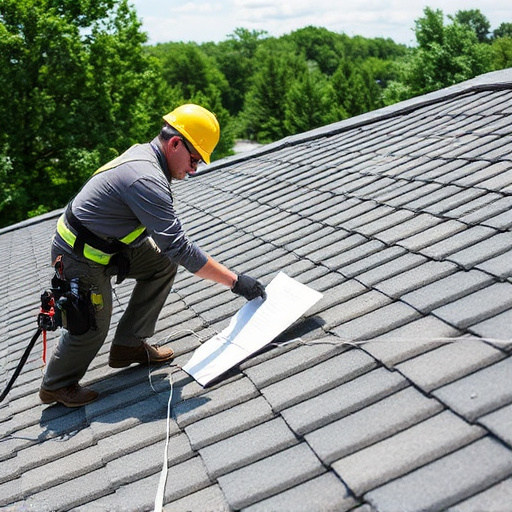
Conducting a comprehensive roof assessment is crucial when dealing with insurance claims, especially in a state like Arizona, where extreme weather conditions can quickly turn into a roof repair or replacement necessity. This process involves a meticulous inspection, including checking for signs of damage, structural integrity, and the overall condition of the roofing system. One critical component that often goes unnoticed is the foam roof coating. A licensed Tucson roofing contractor will pay close attention to this, as it matters in protecting the roof from the harsh Arizona climate, including intense sun exposure and extreme temperatures.
When assessing a roof for insurance claims, the inspector should look for signs of aging or damage to the foam coating. This includes checking for cracks, blisters, or delaminations, which can indicate poor adhesion or sun damage. In areas like Vail, where extreme weather conditions can be more prevalent, a thorough inspection for foam coating issues is even more critical. The coating acts as a barrier against UV rays and helps regulate roof temperatures, preventing rapid deterioration. Ponding water, a common issue after heavy rainfall, can accelerate coating degradation, and an experienced inspector will be vigilant in identifying these potential problem areas.
The assessment process also involves a detailed examination of the underlayment, a critical component often protected by the foam coating. A Tucson roofer with an Arizona ROC license will check for any signs of water damage, mold, or excessive wear, ensuring the underlayment's integrity. This is essential as a compromised underlayment can lead to serious structural issues and costly repairs. During the inspection, the inspector should also consider the roof's overall drainage system, ensuring water is directed away from the structure, preventing potential damage from ponding water. By combining these checks with a thorough visual inspection, the roofer can provide an accurate assessment, which is invaluable for both insurance claims and policy renewals.
The Role of Foam Roof Coating Checks in Policy Renewals
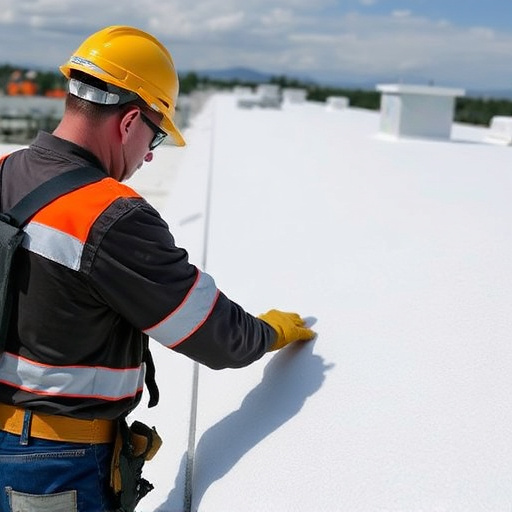
Roof inspections in Arizona, especially during policy renewals and insurance claims, require a meticulous focus on key components. One critical aspect often overlooked is the condition of foam roof coatings. These coatings play a vital role in protecting roofs from extreme weather, including the intense summer heat and occasional monsoon storms that characterize the region. A licensed Arizona roofer can guide homeowners and insurers through this process, ensuring that every detail is considered.
During an inspection, a professional will thoroughly examine the foam roof coating for any signs of damage or deterioration. Slippage of tiles or shingles is a common issue, and a thorough check ensures these are secured, preventing potential leaks. The inspector will also use a moisture meter to detect any moisture intrusion, a critical step in identifying leaks early. This is especially important in regions where high winds and dust storms can dislodge loose materials, necessitating an inspection after such events. For historic homes, additional care is required, as these structures often have unique roofing materials and designs that necessitate specialized inspections.
The role of a foam roof coating check extends beyond individual homes. Commercial properties and rental units also require these assessments. A well-maintained coating can significantly impact the longevity of a roof, and insurers are increasingly recognizing its value. A thorough inspection might reveal that a recently installed coating is not adequately protecting a commercial building, leading to discussions about policy adjustments or the need for additional protective measures. Regular inspections, including those conducted before monsoon season, after storms, or after significant weather events, can help maintain accurate policy assessments and protect both insurers and policyholders.
Frequently Asked Questions About guidance on roof inspections for insurance claims and policy renewals in Arizona
What is the purpose of a roof inspection for insurance claims and policy renewals? Roof inspections are crucial for assessing the condition of a property's roofing system, which is essential for insurance claims and policy renewals in Arizona. They help determine the extent of damage, if any, and provide valuable data for accurately assessing risks and setting premiums. Regular inspections also allow for proactive maintenance, preventing small issues from becoming costly repairs.
How often should a roof inspection be conducted for insurance purposes? While there's no one-size-fits-all answer, most roofing professionals recommend inspections every 2-3 years, especially in harsh climates like Arizona. However, if your roof shows signs of damage, leaks, or significant age-related deterioration, it's best to schedule an inspection immediately.
What information does an insurance company typically require during a roof inspection? Insurance companies seek detailed documentation of the roof's condition, including the age of the roofing materials, the type of materials used, and any evidence of damage or wear. They may also request a visual survey of the roof's underlayment, flashing, and gutters, as these components are critical for water-tightness and overall structural integrity.
Can a homeowner conduct a roof inspection for insurance? While homeowners can visually inspect their roofs, professional inspections are recommended for a thorough assessment. Trained inspectors have access to specialized equipment and knowledge about local building codes, ensuring a comprehensive evaluation. A professional inspection report can significantly streamline the insurance claim process.
What should I do if I suspect my roof damage is covered by insurance? First, review your insurance policy to understand what's covered. Then, contact your insurance provider to file a claim. Provide them with a detailed description of the damage and any relevant information from a professional inspection report. Keep records of all communications and documents related to the claim.
A thorough understanding of Arizona's roof inspection requirements is essential for both insurance claims and policy renewals. By conducting comprehensive assessments that include a detailed foam roof coating check, professionals can significantly enhance the accuracy of claims and the efficiency of policy renewals. This process ensures not only the integrity of the roof but also the protection of homeowners and renters. Moving forward, incorporating these practices into routine inspections and policy procedures will contribute to a more robust and reliable roofing industry in Tucson and beyond. The Tucson Professional Roofers Association can play a pivotal role in disseminating these best practices among its members, ultimately benefiting the entire community.
Roof inspections in Arizona, crucial for insurance claims and policy renewals, require a thorough check of the foam roof coating, a vital defense against extreme weather. A licensed roofer guides homeowners and insurers through this process, examining coatings for damage, deterioration, and proper adhesion. Regular inspections, especially before monsoon season, are essential for commercial and residential properties to maintain accurate policy assessments and protect against costly repairs.