In the sun-drenched skies of southern Arizona, your roof stands as a vigilant guardian, protecting your home from the elements. Yet, like any guardian, it requires regular checks and maintenance to ensure longevity and integrity. This is where a professional roof inspection comes into play, a critical step before buying, selling, or simply maintaining your property. Negotiating with inspection results can be a key aspect of this process, ensuring you're informed and empowered to make the best decisions for your roof.
The challenge lies in navigating the cost, timing, and paperwork involved in these inspections. This article guides you through the process, from understanding what a Tucson roof inspection includes to reading the report, ensuring you're prepared for every step. By the end, you'll have the knowledge to confidently navigate the local roofing landscape.
- Understanding Roof Inspection Costs in Southern Arizona
- Timing Your Roof Inspection for Efficiency and Peace of Mind
- Decoding Inspection Reports: Negotiating with Results Effectively
Understanding Roof Inspection Costs in Southern Arizona

In southern Arizona, understanding roof inspection costs is crucial for both homeowners and property managers. The price of an inspection can vary widely depending on several factors, such as the size of the roof, complexity of the structure, and any unique challenges posed by the local climate or building codes. A typical residential inspection in this region typically ranges from $300 to $600. However, for larger, more intricate properties, especially historic homes with unique roof designs, costs can easily escalate to $1000 or more.
When considering the scope of a roof inspection, it's essential to recognize that these professionals don't just look at the exterior. A thorough assessment includes examining roof valleys and penetrations, checking the condition of the attic and ceiling areas, and even assessing the structural integrity of the roof itself. A licensed Arizona roofer, familiar with local regulations, will also ensure that the property complies with the latest building codes. The inspection report, which is a detailed document summarizing the findings, is a valuable tool for both buyers and sellers. Homeowners can use it to identify necessary repairs, while sellers can leverage it to negotiate with potential buyers and demonstrate the property's condition.
Negotiating with inspection results is a common practice, especially when dealing with older properties or those with unique roofing materials. Homeowners should be prepared to discuss any concerns raised in the report. If the inspection reveals damage to the tile underlayment or signs of water intrusion, a buyer might request a reduction in the sale price or ask for a credit to cover the repair costs. In some cases, especially with rental properties, the landlord or property manager may choose to address minor issues before the inspection to avoid negotiable points. This proactive approach can save time and money in the long run, ensuring that any roof-related repairs are done correctly and efficiently.
Timing Your Roof Inspection for Efficiency and Peace of Mind
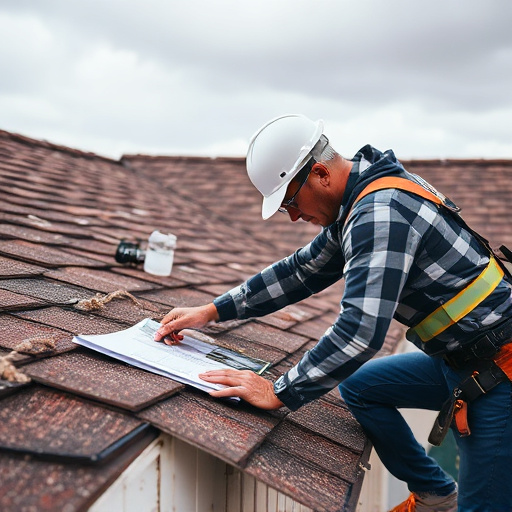
Timing your roof inspection in southern Arizona is crucial for several reasons. The best time to schedule an inspection varies based on your needs, local weather patterns, and potential issues like slipped tiles or damaged scuppers in Oro Valley. Pre-monsoon inspections are beneficial to catch any issues before the heavier rains arrive. Conversely, post-hail or wind events require immediate attention to assess damage and ensure your roof is secure.
DC Roofing of Arizona, a local Tucson roofer with an Arizona ROC license, recommends inspecting roofs at least once a year, or more frequently if you live in an area prone to extreme weather. Commercial properties and older historic homes may require more regular checks due to their unique maintenance needs. Timing your inspection strategically can save you time and money. By understanding the common issues in your area and scheduling around weather patterns, you can ensure your inspection report provides accurate insights into your roof's condition.
Negotiating with inspection results becomes easier when you've chosen the optimal timing. If issues are identified, knowing the timing of your inspection allows you to prioritize repairs and make informed decisions when dealing with insurance claims or home warranty programs. For rental properties, a thorough inspection before and after the lease period ensures accountability and can protect both the landlord and tenant. Whether it's a flat roof drainage check or an adobe roof inspection, timing matters. It ensures your investment is protected and any necessary repairs are addressed promptly.
Decoding Inspection Reports: Negotiating with Results Effectively

Decoding a roof inspection report is a crucial step in navigating the results and making informed decisions, especially when buying or selling a home in southern Arizona. As monsoon season approaches, understanding the key findings becomes even more critical. A local Tucson roofing company often emphasizes that a well-interpreted report can highlight potential issues and ensure a more transparent process.
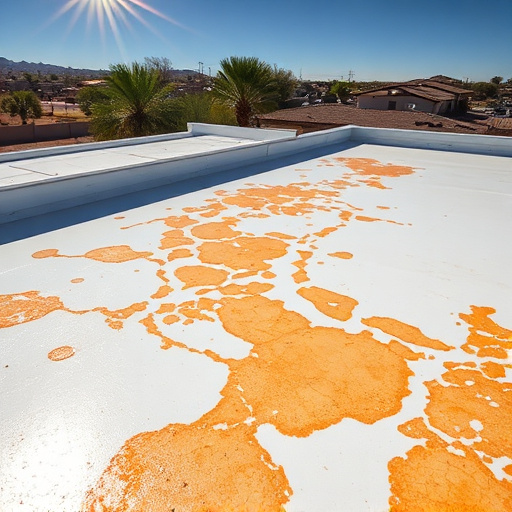
The report, typically provided by a licensed roofer or an experienced Tucson roof inspector, is a detailed document outlining the current condition of the roof. It includes visual assessments, measurements, and recommendations. It might note the condition of the tile underlayment, which is crucial for drainage and moisture control, especially during intense summer thunderstorms. Signs of coating wear, often visible on flat roofs, should also be highlighted. These aspects are critical to prevent water damage and ensure the longevity of the roof.
Negotiating with inspection results effectively requires a strategic approach. Homeowners should review the report carefully, identifying items that need attention and those that can be addressed in the future. If the inspection reveals minor issues like a few missing or loose tiles, it's negotiable to discuss replacing them during a more comprehensive repair project after the monsoon season. Similarly, if the report suggests scuppers (roof drain systems) need cleaning, this can be a condition for the buyer or seller to address before closing, ensuring a healthier roof from the start.
When dealing with historic homes, the report might include specific considerations. Historic building codes and materials require careful handling. A knowledgeable roofer can explain these nuances and negotiate solutions that respect the home's heritage while addressing modern safety standards. For rental properties or commercial buildings, the report's recommendations might focus on cost-effective repairs and maintaining a safe environment, which can influence lease agreements or insurance claims. Engaging with the inspector to clarify findings and discussing potential solutions is key to a successful negotiation process.
Frequently Asked Questions About a plain language look at the cost, timing and paperwork of a roof inspection in southern Arizona
What is a roof inspection and why is it important? A roof inspection is a thorough evaluation of your roof's condition by a licensed professional. It's crucial for identifying potential issues, from leaks and damage to structural integrity problems. Regular inspections can prevent costly repairs, increase your home's value, and ensure your safety. In southern Arizona, where extreme weather conditions can take a toll on roofs, a professional inspection is often recommended every 2-3 years.
How much does a roof inspection cost in southern Arizona? The average cost for a roof inspection in this region ranges from $200 to $400, depending on the size and complexity of your roof. DC Roofing of Arizona, for instance, charges around $350 for a standard inspection, which includes a detailed report and recommendations for any necessary repairs. Some companies may offer discounts for regular customers or bundle inspections with other services.
How long does a typical roof inspection take? Most roof inspections take one to two days, depending on the size and condition of the roof. An experienced Tucson roof inspector will thoroughly examine your roof, looking for signs of damage, wear and tear, and potential problem areas. They'll also inspect the gutters and drains to ensure proper water flow.
What documentation or paperwork is involved in a roof inspection? During the inspection, the licensed roofer or inspector will provide you with a detailed report outlining their findings. This document will include photographs, descriptions of any issues found, and recommendations for repairs or replacement. Some companies may also offer digital or online reports for easy access and sharing. It's a good idea to ask about the reporting process and format before scheduling an inspection.
Who needs to be present during the roof inspection? You are welcome to be present during the inspection, though it's not always necessary. Having you there allows for immediate clarification of any findings and ensures you understand the process. However, many homeowners choose to be away during the inspection, leaving it to the professional to conduct and document the assessment.
What happens after the inspection? Can I expect a recommendation for repairs? After the inspection, the roofer will discuss their findings with you. If significant issues are identified, they may recommend repairs or a complete roof replacement. DC Roofing of Arizona, for example, offers a range of roofing services, from minor repairs to full-scale replacements. They will provide you with estimates and options, helping you make an informed decision about the best course of action for your property.
Roof inspections in southern Arizona are a crucial investment for homeowners, offering peace of mind and protection against costly repairs. By understanding the cost, timing, and paperwork involved, as well as effectively negotiating with inspection results, you can ensure a smooth process and make informed decisions. Remember, a well-timed, thorough inspection can help extend your roof's life, prevent leaks, and even influence the value of your property. This article has provided a roadmap for navigating the complexities of roof inspections, empowering you to take charge of your home's most valuable asset. Now, armed with knowledge, you can confidently schedule, prepare, and discuss any findings, ensuring a transparent and beneficial outcome for your unique situation.
Roof Inspection in Southern Arizona: A Practical guide
- Costs: Ranges from $300 to $600 for typical residential inspections, up to $1000+ for larger, historic homes.
- Scope: Includes exterior assessment, attic/ceiling areas, and structural integrity checks, ensuring compliance with local building codes.
- Timing: Optimal scheduling based on weather patterns (e.g., pre-monsoon) and potential issues like slipped tiles.
- Report Interpretation: A detailed document highlighting current conditions, recommendations, and negotiable items for buyers/sellers.
- Negotiating Results: Homeowners should review reports carefully, identifying issues to discuss, especially for historic homes and rental properties.