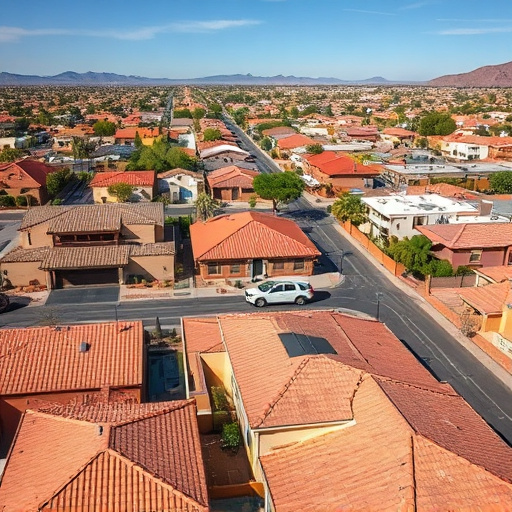
Homeowners in our desert climate face unique challenges for roof care. Regular professional inspections are crucial, but they don't catch everything. Between professional check-ups, it's vital to be vigilant and know what to look for-potential issues that could impact a roof's integrity and your property's value. This guide equips you with a comprehensive homeowner checklist tailored to our region's specific needs, helping you spot problems that might warrant a roof certification for a sale or simply prompt timely repairs. We'll explore desert-specific considerations, practical tips, and expert insights to empower you to maintain a sound roof, ensuring peace of mind in our unpredictable climate.
- Identifying Common Desert Roof Issues
- Regular Maintenance Checks: Your Role
- Preparing for a Successful Roof Certification
Identifying Common Desert Roof Issues
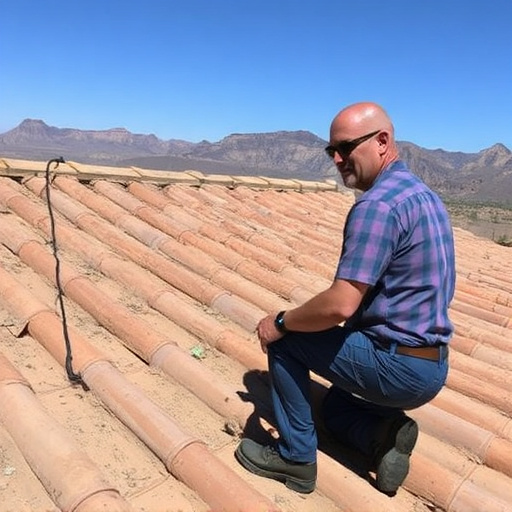
In the arid climate of Tucson, homeowners face unique challenges for roof maintenance. Extreme heat, intense sunlight, and occasional desert storms can take a toll on roofing materials and structures. Between professional inspections, it's crucial for property owners to be vigilant in identifying common desert roof issues. This proactive approach ensures that any problems are addressed promptly, preventing more severe damage and costly repairs.
One of the first signs to look for is damage in the roof valleys-the areas where the roof's slope meets the walls. In the desert climate, these valleys are particularly vulnerable to debris buildup and water pooling, which can lead to leaks and structural weakness over time. Regularly inspecting the valleys for signs of clogs, rust, or erosion is essential. Parapets, the vertical walls that cap off the roof, require attention. They can be susceptible to weathering and wind damage, leading to cracks or instability. Ensuring these protective barriers are secure and well-maintained is vital for the overall roof certification for a sale, as they play a key role in preventing debris and water from infiltrating the structure.
Ventilation is another critical aspect often overlooked. Adequate ventilation helps regulate roof temperatures, preventing heat damage and extending the lifespan of roofing materials. Check for blocked or damaged vents, as these can hinder proper air flow. DC Roofing of Arizona, a licensed Tucson roofing contractor, recommends inspecting vents at least once a year, as desert debris like cacti spines can easily clog them. By being proactive in these areas, homeowners can catch potential issues early on, ensuring the roof remains in good condition and maximizing its remaining life expectancy.
Regular Maintenance Checks: Your Role

Regular maintenance checks are crucial for homeowners to ensure their roof remains in top condition between professional inspections. As a proactive measure, especially in a desert climate like ours, you can spot potential issues by performing a thorough self-assessment. This checklist, tailored to the unique challenges of the local environment, equips you to identify problems that might otherwise go unnoticed until they escalate.
Focus on key areas, such as roof penetrations, where leaks can start. Inspect for proper sealing around vents, plumbing, and other fixtures. Look for signs of excessive moisture or ponding water, which can indicate poor drainage or flashing issues. These problems, left unaddressed, can lead to more severe damage, like mold growth or structural compromise. Regular maintenance, however, can catch these early, allowing for quick repairs and preserving the integrity of your roof.
Consider the unique demands of a desert climate, where intense sunlight and fluctuating temperatures can accelerate material deterioration. A licensed Arizona roofer recommends checking for signs of sun damage, such as cracks in shingles or tiles. Also, be vigilant about the condition of your roof coating, which can protect against UV radiation. Regularly inspecting these elements contributes to a comprehensive roof certification for a sale, ensuring potential buyers have confidence in the roof's remaining lifespan.
By integrating these checks into your maintenance routine, you empower yourself to anticipate and address roof problems effectively. Remember, proactive care not only saves costs but also safeguards your home's most critical asset-its protective canopy.
Preparing for a Successful Roof Certification
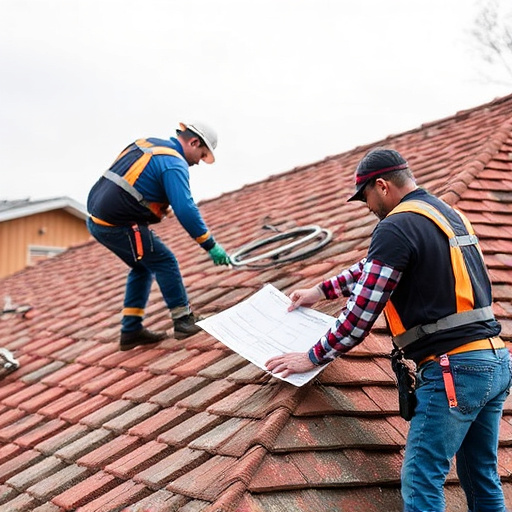
In the desert climate of Tucson, maintaining your roof between professional inspections is crucial for ensuring its longevity and preparing for a successful roof certification when selling your home. A roofing contractor serving Tucson and Oro Valley emphasizes that homeowners should adopt a proactive approach, focusing on visual inspections and addressing potential issues early. This is especially important given the unique challenges posed by extreme heat, intense sunlight, and occasional storms.
One of the first steps in preparing for a roof certification is to scrutinize the exterior for any signs of damage or wear. Check for missing or damaged shingles, which can expose the underlayment to harsh elements. Look closely at the roof valleys, as these areas are particularly susceptible to debris buildup and water accumulation. Proper scuppers and downspouts ensure water flows away from the foundation, preventing damage from moisture. A visual inspection also allows you to assess the condition of the flashing, which seals joints and prevents leaks. Any signs of rust, peeling, or damage should be addressed promptly.
Regular maintenance, such as cleaning the gutters and roof, is vital. Debris can obstruct scuppers and downspouts, leading to water damage. A roofing contractor recommends using a drone or a walk-on inspection to thoroughly examine the roof's surface, underlayment, and drainage system. This includes checking for proper ventilation in the attic and ceilings, as poor airflow can contribute to moisture issues and reduced roof life. Be aware of the remaining roof life estimate, as this will impact the timeline for repairs and replacement. A historical home may require specialized care to preserve its unique roofing materials and designs. By combining these measures, homeowners can significantly improve the chances of a seamless roof certification process during a sale or insurance renewal.
Frequently Asked Questions About a Homeowner Checklist for Spotting Roof Problems Between Professional Inspections in the Desert Climate
What are the unique challenges of maintaining a roof in a desert climate?
The extreme heat, intense sunlight, and rapid changes in temperature in desert regions present specific challenges for roofing. Clay and concrete tiles, common roofing materials, can be particularly susceptible to damage from thermal expansion and contraction. These conditions accelerate the wear and tear process, increasing the likelihood of leaks and structural compromise. Regular inspections are crucial, but homeowners should also learn to recognize signs of trouble between professional assessments.
How often should I conduct visual inspections of my roof?
It's recommended to perform visual inspections of your roof at least twice a year, especially in desert climates. During these checks, look for any signs of damage, including missing or damaged shingles, flashing issues, or evidence of water intrusion. In the desert, where extreme heat can cause expansions and contractions, regular visual checks can help catch problems early, preventing more costly repairs.
What should I look for during a roof inspection in a desert environment?
Focus on several key areas: the gutters and downspouts (clear of debris), the roof's edges and valleys (for signs of wear and water buildup), and the flashing around chimneys and vents. Also, check for loose or missing shingles and any signs of mold or mildew, which can indicate leaks or poor ventilation. In the desert heat, mold and mildew often grow in damp, shaded areas, so inspect these spots carefully.
Can concrete and clay tiles withstand the desert heat?
Both concrete and clay tiles are durable materials designed to withstand varying climates, but in extreme desert heat, they can still suffer damage. Clay tiles, for instance, can become brittle and prone to cracking in rapid temperature changes. Concrete tiles, though more resilient, can also expand and contract, leading to loose connections and potential leaks. Regular maintenance and inspections are essential to ensure their longevity.
How can I tell if my roof is leaking?
Look for signs like discolored or warped ceiling or wall surfaces, water stains, or bubbling paint. Keep an eye out for increased moisture in the attic or basement, as well. In desert climates, where homes are often well-insulated, water leaks might not cause visible droplets, but you might notice a musty smell or higher-than-usual humidity levels, indicating a hidden leak.
What should I do if I notice any issues during my roof inspection?
If you discover any problems, contact a licensed roofing contractor, such as DC Roofing of Arizona, for a thorough assessment. Prompt action is crucial, as small issues can often be repaired easily, preventing major damage and costly renovations. Regular inspections and prompt repairs are key to maintaining a safe and secure home in the desert.
As homeowners in the desert climate, it's crucial to understand the unique challenges our roofs face. Regular maintenance and proactive inspections are key to preserving your investment and ensuring a smooth roof certification process for a potential sale. By being vigilant between professional inspections, you can catch issues early, such as cracks in cement tiles, signs of water damage, or inadequate underlayment. Remember, a well-maintained roof not only protects your home but also adds to its value.
Moving forward, create a homeowner checklist that includes regular visual checks for any anomalies. Stay informed about local building codes and best practices for desert roofs. When preparing for a roof certification for a sale, ensure all repairs are documented and up to code. Collaborate with a licensed contractor who understands the specific needs of desert roofs. This proactive approach will not only protect your investment but also give you peace of mind, ensuring your home's roof is in top condition.
In the Tucson desert, homeowners must proactively maintain their roofs to combat extreme heat, intense sunlight, and occasional storms. Key checks include:
- Roof Valleys: Inspect for debris buildup, rust, and erosion, as these areas are vulnerable to water pooling and leaks.
- Parapets: Ensure these protective barriers are secure, as they prevent debris and water from infiltrating the structure.
- Ventilation: Regularly check vents for blockages, as desert debris can clog them, hindering air flow and potentially damaging the roof.
Proactive care involves regular maintenance, like cleaning gutters, checking for missing or damaged shingles, and assessing the condition of flashing and scuppers.
A licensed Arizona roofer recommends drone or walk-on inspections to evaluate the roof's surface, underlayment, drainage system, and ventilation.
By following these steps, homeowners can prepare for a successful roof certification when selling, extending the lifespan of their roofing materials, and avoiding costly repairs.