Roof inspections are crucial for homeowners in Tucson, especially for insurance renewal. With varying roof types-tile, foam, shingles, and flat-understanding the inspection process is essential. Each style has unique characteristics and potential issues, and knowing what to look for can save you from costly surprises. This article provides a practical guide to roof inspections in Tucson, focusing on the specific needs of each roof type. We'll explore how to conduct a thorough inspection, what to consider for each roof style, and why these checks are vital for a successful insurance renewal process. By the end, you'll be equipped to navigate the inspection process with confidence.
- Understanding Tucson Roof Types
- The Step-by-Step Inspection Process
- Insurance Renewal: Ensuring Comprehensive Protection
Understanding Tucson Roof Types
Tucson, with its distinct climate and architectural styles, presents unique challenges and considerations for roof inspections. The region's common roof types-tile, foam, shingle, and flat roofs-each require specific attention during the evaluation process. Understanding these variations is crucial, especially for homeowners and real estate professionals when navigating the insurance renewal process.
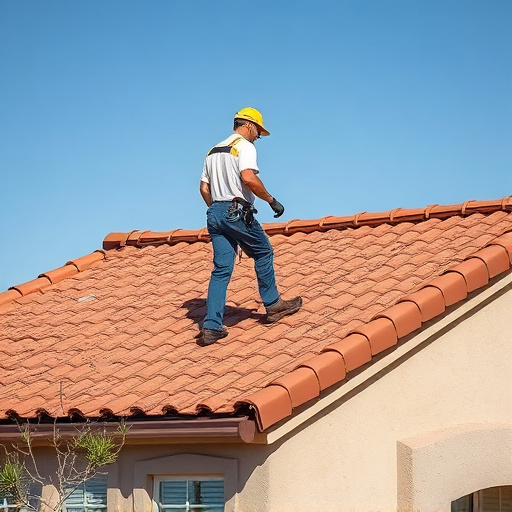
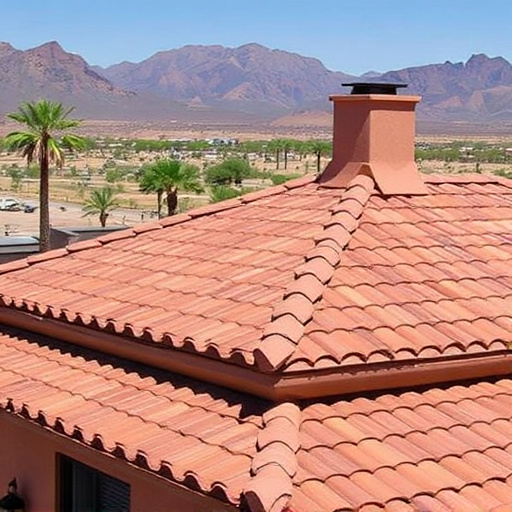
Tile roofs, prevalent in Tucson's arid environment, offer excellent durability but demand meticulous care. Inspectors should scrutinize the condition of tiles, checking for any missing or loose pieces, especially after monsoons and dust storms. The underlayment and flashing around roof valleys and chimneys must also be in good standing. A licensed Tucson roofing contractor serving Tucson and Oro Valley might recommend regular cleaning to prevent debris buildup, a common cause of damage.
Foam roofs, known for their energy efficiency, present a different set of inspection criteria. Contractors and roofers should look for signs of moisture intrusion, as foam can be susceptible to water damage. Checking the integrity of the foam layer and ensuring proper ventilation is essential. Examining the condition of parapets and roof drains is vital, as these elements play a crucial role in maintaining the overall stability of the foam roof.
Shingle roofs, a classic choice for many Tucson properties, require a thorough assessment of the shingle condition, looking for any missing or curled shingles. Inspectors should also pay close attention to the state of the underlayment and flashing, as these can impact the roof's longevity. Regular inspections are key, as even minor issues can escalate in the extreme weather conditions Tucson sometimes experiences.
Flat roofs, while less common, still require specialized attention. During an insurance renewal roof inspection, the focus should be on the integrity of the membrane and the functionality of drainage systems. Signs of punctures, tears, or moisture accumulation should be noted. A professional roofer will also check for proper ventilation, as flat roofs are more susceptible to heat damage in the summer.
In all cases, a comprehensive roof inspection should include a detailed review of the attic and ceiling spaces. Inspectors should look for signs of water damage, mold growth, or inadequate ventilation, which can significantly impact the overall health of the structure. Questions for a roof inspector during these varied inspections should center on the specific materials and any known issues, ensuring a thorough understanding of the roof's condition.
The Step-by-Step Inspection Process

A thorough insurance renewal roof inspection is crucial in the unique climate and conditions of Tucson and surrounding areas like Marana, especially as we approach the monsoon season. Unlike some regions, the summer heat and intense sunlight here can accelerate the aging process of various roofing materials, requiring a more meticulous inspection routine. This process involves a step-by-step examination of each roof type commonly found in our region: tile, foam, shingle, and flat.
Starting with tile roofs, inspectors should look for proper underlayment, which is critical for protection against moisture. This includes checking for any cracks, blisters, or delaminations in the underlayment, as well as ensuring the tiles are securely fastened and not loose or missing. For foam roofs, the focus shifts to the coating's integrity. Inspectors should verify that the coating is intact, free from rips or tears, and has not peeled or deteriorated, which could compromise the roof's structural integrity. Shingle roofs demand attention to both the shingles and the underlayment. Look for signs of missing or damaged shingles, as well as any water damage or leaks in the underlayment, especially in the roof valleys, which can be vulnerable to pooling water. Flat roofs present unique challenges. Here, the inspector should examine the drainage system, ensuring it is clear and free from debris, and check for any signs of moisture or mold buildup, which could indicate a leak or poor ventilation.
During an insurance renewal roof inspection, paying close attention to these details is essential. A licensed Tucson roofing contractor recommends scheduling these inspections before the monsoon hits to prevent any surprises. In Marana, where flash flooding can be a concern, ensuring proper drainage is paramount. After any significant weather event, including hail or wind storms, a thorough inspection is warranted to identify any damage that could impact the policyholder's coverage.
Insurance Renewal: Ensuring Comprehensive Protection

For insurance renewal, the type of roof you have plays a crucial role in ensuring comprehensive protection for your property. In Tucson, with its diverse roofing options, including tile, foam, shingles, and flat roofs, understanding the specific inspection needs for each is essential. This is particularly true for a licensed Tucson roofing contractor, who can help you navigate the process and maintain the integrity of your roof.
A tile roof, while beautiful, requires meticulous care and inspection. During an insurance renewal roof inspection, a professional will thoroughly examine the tile for any signs of damage, such as loose or missing tiles, cracks, or water damage. They will also inspect the underlying underlayment, as tile roofs are prone to leaks if the underlayment is not in good condition. In Oro Valley, where tile roofs are common, homeowners should expect these detailed checks as part of their insurance renewal process.
Shingle roofs, on the other hand, demand regular attention due to their exposure to the elements. An insurance renewal inspection should include a close look at the shingles for any tears, curling, or missing pieces. The roofer will also check for proper ventilation and the condition of the roof's flashings and vents, as these areas are vulnerable to leaks. A licensed Tucson roofing contractor can provide guidance on the remaining roof life and recommend repairs or replacements as needed.
Flat roofs, while less common in Tucson, still require specific inspections. Due to their design, flat roofs often have roof penetrations for equipment, such as air conditioners or pipes. During an insurance renewal roof inspection, these penetrations must be checked for proper sealing and protection to prevent leaks. A professional will also assess the overall integrity of the flat roof, including the drainage system and any membranes or coatings that provide protection. In commercial properties, like those in Oro Valley, a thorough flat roof inspection is crucial for maintaining insurance compliance.
Frequently Asked Questions About a Comparison of How Tile, Foam, Shingle, and Flat Roofs Common in Tucson Are Inspected
What are the key differences between tile and foam roofs?
Tile and foam roofs have distinct characteristics. Tile roofs, a common choice in Tucson due to their aesthetic appeal and longevity, consist of individual tiles that are hand-placed and fastened to a solid underlayment. This method requires skilled labor and can be more time-consuming to install. Foam roofs, on the other hand, are made from lightweight, rigid foam panels that are easily installed over a structural deck. They offer excellent insulation and are known for their speed of installation, making them a cost-effective option.
How do shingle roofs compare in terms of maintenance?
Shingle roofs, also prevalent in Tucson, require regular maintenance. Shingles are susceptible to damage from weather, UV exposure, and foot traffic. Annual inspections are recommended to check for loose or missing shingles, which can lead to leaks. In contrast, tile and foam roofs generally require less maintenance, with tile needing occasional cleaning and foam panels needing minimal upkeep aside from periodic inspection for signs of damage or moisture intrusion.
What factors should be considered when inspecting a flat roof?
Inspecting flat roofs in Tucson demands meticulous attention to detail. Key areas to assess include the roof membrane integrity, flashing around vents and pipes, and the condition of drainages. Look for signs of cracking, blisters, or leaks. Also, verify the roof's slope to ensure proper drainage and check for mold or fungal growth, especially in damp climates. A thorough inspection ensures the longevity and functionality of the flat roof.
Are there specific tools used for roof inspections?
Roof inspectors in Tucson utilize a variety of tools tailored to different roof types. These include a magnifying glass for close examination of shingles and tiles, a moisture meter to detect water intrusion, and an infrared camera to identify heat anomalies indicating potential leaks. For flat roofs, inspectors may use a borescope for accessing hard-to-reach areas and a ladder to safely inspect the roof's perimeters and drains.
How often should a Tucson roof be inspected?
The frequency of roof inspections varies based on the type and age of the roof. Tile and shingle roofs typically require inspections every 2-3 years, while flat roofs and foam installations may need checks annually due to their unique vulnerabilities. Regular inspections by a licensed Tucson roofer help identify potential issues early, reducing repair costs and ensuring the roof's structural integrity.
As Tucson's diverse roof types-from tile to foam, shingle, and flat-each present unique challenges, a thorough understanding of their specific inspection protocols is crucial. This article has examined the intricacies of these processes, highlighting the importance of a comprehensive inspection, especially during insurance renewal. By following the step-by-step guide and considering the unique aspects of local weather patterns and building codes, homeowners and property managers can ensure their roofs meet the required standards.
The key takeaway is that a well-conducted roof inspection, tailored to Tucson's specific needs, is a vital component of any insurance renewal process. This ensures not only the structural integrity of the roof but also the financial protection of the policyholder. With these insights, readers are now equipped to navigate the inspection process with confidence, fostering a proactive approach to maintaining their Tucson roofs.
Tucson's distinct climate demands specialized inspections for tile, foam, shingle, and flat roofs. During insurance renewal, a thorough review by a licensed roofer is crucial. Key checks include underlayment condition, tile/shingle integrity, proper ventilation, and drainage system functionality. Regular maintenance and prompt repairs extend roof life, protecting against costly damage.