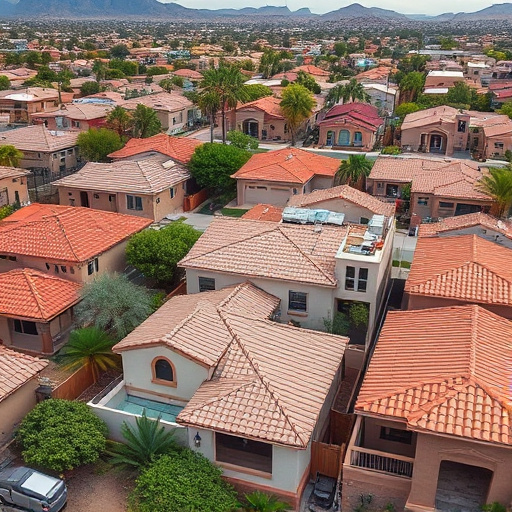
In the scorching desert sun, your roof stands guard, protecting your home from the elements. Regular inspections are crucial, especially between professional assessments, to spot potential issues early. Many homebuyers overlook this critical step, often discovering problems after the fact. This article equips homeowners with a comprehensive checklist to identify roof concerns in the unique desert climate. We guide you through the must-check items, from tile underlayment to moisture detection, ensuring you're prepared for any surprises before or after a roof inspection before buying. By following these steps, you'll extend your roof's life and make informed decisions.
- Assessing Roof Condition: What to Look For
- Regular Maintenance: Desert-Specific Checks
- Recognizing Red Flags: When to Call a Pro
Assessing Roof Condition: What to Look For
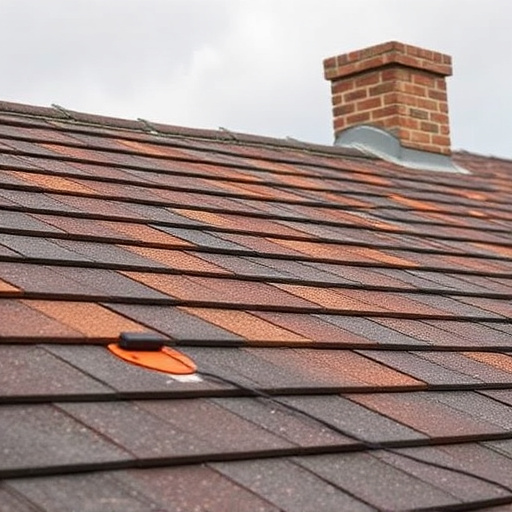
When preparing to put your home on the market, a roof inspection before buying is a crucial step. In the desert climate, where intense sun and varying temperatures can accelerate roof wear, it's especially important to catch potential issues early. As a homeowner, you can play a vital role in maintaining your roof's health between professional inspections by performing a thorough visual assessment.
Focus on key components like scuppers, which direct water away from the roof and into gutters. Blocked or damaged scuppers can lead to water pooling and potential roof decay. Look for any signs of debris buildup, corrosion, or misalignment. Similarly, examine the roof's underlayment-a protective layer beneath the shingles-for tears, curling, or mold growth. These issues might not be immediately apparent, but they can indicate a need for repair or replacement. Keep an eye out for missing or damaged shingles, as well, as these are easily displaced by strong winds.
A roofing contractor serving Tucson and Oro Valley recommends checking for proper drainage and ventilation. Insufficient drainage can lead to water damage, while poor ventilation can cause excessive heat buildup, reducing the roof's lifespan. Look for vent caps in place on chimneys and vents, and ensure they are not blocked. During your inspection, also assess the condition of flashing, the waterproof material used around chimneys, pipes, and other roof penetrations. Cracked or damaged flashing can allow water to seep into your home. Lastly, consider the age and remaining roof life estimate; a roofing expert can help determine if it's time for a full roof replacement.
Regular Maintenance: Desert-Specific Checks
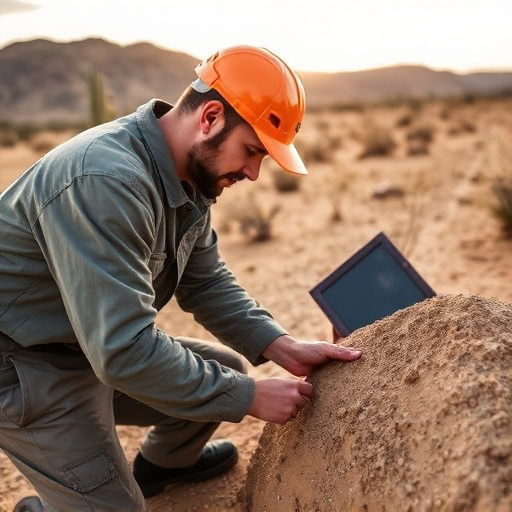
Regular maintenance is crucial in a desert climate, where roofs face intense UV radiation, high temperatures, and varying weather patterns. As a homeowner, knowing what to look for between professional roof inspections can help protect your investment. Here's a comprehensive checklist tailored to the unique challenges of a desert environment.
One of the first things to check is the condition of your roof's underlayment. In the desert, where temperatures can fluctuate drastically, this protective layer is vital to prevent moisture intrusion. Look for any signs of tearing, missing, or curled underlayment, which could indicate poor installation or damage from weather events. A Tucson roofer with an Arizona ROC license can provide expert advice on the type and quality of underlayment suitable for your region. Inspect the scuppers-the small openings at the edge of your roof designed to drain water-to ensure they are clear of debris and functioning properly. Blocked scuppers can lead to water accumulation, which may cause UV damage and accelerate the degradation of your roofing materials.
Moisture meters can be valuable tools for identifying potential problems. Regularly check areas prone to moisture buildup, such as the attic and ceiling. High humidity levels in the desert can contribute to mold and mildew growth, even in well-ventilated spaces. If you notice any signs of moisture, investigate further. It could be an indicator of a leak or inadequate ventilation. Pay close attention to the roof's exterior. Look for signs of UV damage, such as faded or discolored shingles, which can weaken the material and lead to cracks and breakdown. Regular washing and sealing of the roof can help mitigate these effects.
Lastly, stay vigilant for any unusual noises or changes in the roof's performance. In a desert climate, extreme temperatures can cause metal components to expand and contract, potentially leading to loose or damaged fasteners. Keep an eye out for loose tiles or shingles, and address these issues promptly to prevent further damage. Regular maintenance, combined with professional inspections, will help extend the life of your roof and ensure it remains a protective shield for your home.
Recognizing Red Flags: When to Call a Pro

In the desert climate of Marana, a thorough roof inspection before buying is crucial. Homebuyers often overlook the roof as an integral part of the property's health, but it's a critical component that can make or break a home's longevity and your peace of mind. Knowing what to look for can help you identify potential issues that may have been missed in a standard inspection.
One of the first signs of a problem is the condition of the roof's vents. These are vital for airflow, preventing excessive moisture buildup and ensuring the roof stays cool under the intense summer sun. Inspect for proper ventilation, looking for blocked or damaged vents, which can lead to poor air circulation and, ultimately, roof damage. A professional roof inspector from a reputable local company like DC Roofing of Arizona can point out these issues and recommend solutions.
Other red flags include missing or curled shingles, which could indicate poor installation or damage from harsh weather conditions, such as dust storms. Look for signs of water damage, like stains or mold growth, as these can point to leaks that have gone unnoticed. In a desert climate, where temperatures fluctuate drastically, check for proper insulation and sealing to prevent heat gain and energy loss. These details can significantly impact the home's overall efficiency and comfort.
Regular maintenance, such as cleaning gutters and checking for loose or damaged shingles, should be part of your pre-purchase checklist. By heeding these signs and consulting with professionals, like those at DC Roofing of Arizona, you can make informed decisions and ensure the roof above your future home is in top condition.
Frequently Asked Questions About a homeowner checklist for spotting roof problems between professional inspections in the desert climate
What are the unique challenges of roofing in a desert climate? Roofing in a desert climate presents specific challenges, including extreme temperatures that can affect materials, limited water availability for maintenance, and intense sunlight that may accelerate degradation. The high heat can cause materials like asphalt shingles to dry out and crack, while intense sunlight can lead to the early breakdown of synthetic roofing membranes. Regular inspections are crucial to identify these issues early, as the arid environment can magnify problems.
How often should homeowners check their roofs for damage in the desert? In the desert climate, it's recommended homeowners conduct visual inspections of their roofs at least twice a year. This is in addition to professional inspections, which are typically scheduled every 2-3 years. Regular checks help identify minor issues early, preventing them from becoming costly repairs. Look for signs of damage like missing or loose shingles, water stains, or flashing problems, which are especially prone to problems in the harsh desert environment.
What are some common signs of roof damage to look for? Common signs of roof damage include missing or curled shingles, water stains on the ceiling or walls, peeling or bubbling of the roof coating, and leaks during rainfall. Pay special attention to areas where the roof meets walls, chimneys, or vents, as these are common points of failure. Also, watch for increased noise during storms, which could indicate loose or damaged flashing.
Can I detect roof problems during a visual inspection in the desert? Visual inspections are highly effective in detecting many common roof problems. Look for changes in the color or texture of the shingles, which may indicate wear and tear. Check for signs of water damage, such as mold or mildew, which can be more pronounced in the desert due to high humidity levels during occasional rainfall. While some issues may require professional tools for detection, a thorough visual scan can often uncover many problems.
What should I do if I suspect a serious roof problem? If you suspect a serious roof problem, contact a licensed Tucson roofing contractor or an experienced Tucson roof inspector immediately. They have the expertise and tools to diagnose issues accurately. Do not delay, as many roofing problems, especially in the desert, can worsen quickly and lead to costly repairs or even structural damage.
How can I prepare for a professional roof inspection in the desert? Before a professional inspection, clear debris from the roof and gutters, as these can obstruct issues. Ensure access to all areas of the roof, including attics and vents. Keep records of previous repairs and maintenance, as well as any notices of potential issues. This information can help the inspector provide a more comprehensive assessment.
Are there any specific maintenance tips for desert roofs? Yes, regular maintenance is key for desert roofs. Keep the roof clean and free of debris to prevent water buildup. Inspect and replace missing or damaged shingles promptly. Ensure proper ventilation to reduce heat buildup, which can cause materials to deteriorate faster. Also, consider using reflective materials to reduce the sun's heat absorption, which can lower cooling costs and extend roof life.
When considering a roof inspection before buying a home in our desert climate, it's clear that proactive maintenance and regular checks are key. By familiarizing yourself with common red flags like missing or damaged tiles, signs of water damage, and proper drainage, you can significantly extend the lifespan of your roof.
Regular, desert-specific maintenance such as checking for mold growth, inspecting the underlayment, and ensuring adequate ventilation are crucial. These steps, combined with understanding the local weather patterns, help identify potential issues before they escalate.
The article highlights the importance of recognizing when to call a professional. If you spot any of the mentioned red flags or have concerns, don't delay. A thorough roof inspection before buying not only protects your investment but also provides valuable insights into the home's overall condition.
Moving forward, consider integrating these checks into your home maintenance routine. By staying vigilant and being proactive, you can ensure peace of mind, protect your property, and avoid costly repairs down the line.
In a desert climate like Marana, a thorough roof inspection before buying is vital. Homeowners should look for:
- Vent Issues: Blocked or damaged vents leading to poor airflow and potential roof damage.
- Shingle Damage: Missing, curled, or discolored shingles indicating poor installation or weather damage.
- Water Damage & Mold: Stains and mold growth signaling leaks.
- Insulation & Sealing: Proper insulation and sealing to maintain energy efficiency.
Regular maintenance, including gutter cleaning and shingle checks, is crucial. Consult with a licensed roofer like DC Roofing of Arizona for expert guidance.