In southern Arizona, a sturdy roof is more than just an architectural feature-it's a crucial defense against the elements, a key component in energy efficiency, and a major factor in property value. However, the need for regular inspections often gets overlooked, leading to costly repairs and potential safety hazards. The question arises: how can homeowners navigate the process, understanding the difference between a traditional walk-on inspection and a modern drone inspection? This article examines the practical aspects of roof inspections in our region, demystifying costs, timelines, and paperwork. We'll explore the benefits and drawbacks of drone versus walk-on methods, ensuring you're equipped with the knowledge to make informed decisions about your roof's health and longevity.
- Understanding Roof Inspection Costs in Southern Arizona
- Drone vs. Walk-On: Inspection Methods Compared
- Navigating the Paperwork for a Thorough Roof Assessment
Understanding Roof Inspection Costs in Southern Arizona
In southern Arizona, understanding roof inspection costs is a crucial step in preparing for a home sale or maintaining your property. The price of a roof inspection can vary widely depending on several factors, including the size and complexity of the roof, the type of inspection (drone vs walk-on), and the level of detail required. A standard visual inspection by an experienced Tucson roof inspector typically ranges from $100 to $300, while drone inspections, which offer a more comprehensive view of the roof's condition, can cost $200 to $500 or more.
A comprehensive roof inspection involves several key components. These include assessing the condition of the underlayment-the protective layer beneath the shingles-to ensure it is in good shape and not damaged by elements like wind or hail. Inspectors also check for proper drainage on flat roofs to prevent water damage, and they evaluate the condition of the roof's foam coating, if present, to ensure it is providing adequate insulation and protection. A thorough inspection includes checking the attic and ceilings for signs of moisture or leaks, which can be indicators of larger structural issues.
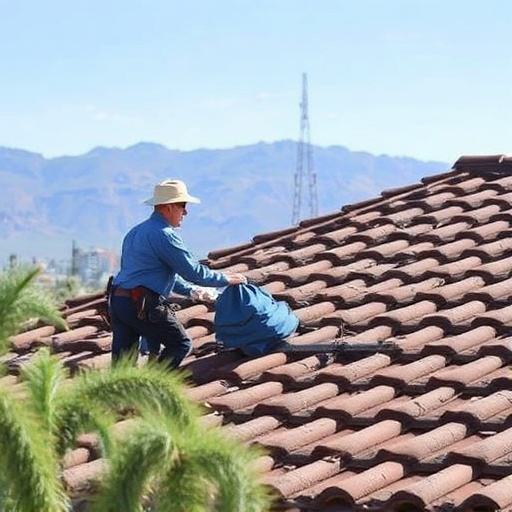
The type of inspection you choose can significantly impact the cost. A walk-on inspection, where the inspector physically examines the roof, is generally less expensive than a drone inspection, which provides aerial footage for a more detailed analysis. However, drone inspections offer the advantage of capturing hard-to-reach areas and providing a broader view of the roof's overall condition, making them particularly useful for larger or more complex roofs. After the inspection, you'll receive a detailed inspection report outlining the findings, potential issues, and recommendations for repair or replacement. This report is invaluable for homeowners, especially when preparing a home for sale, as it can help negotiate offers and demonstrate to potential buyers that the roof is in good standing.
Drone vs. Walk-On: Inspection Methods Compared

In southern Arizona, the approach to roof inspections can vary based on the method employed-either a drone-assisted or a walk-on inspection. Each method has its advantages, but understanding the differences is crucial for property owners. When considering a roof inspection, especially in preparation for the monsoon season, or after a severe storm, knowing what to expect can make the process smoother.
Drone inspections offer a comprehensive view of the roof, allowing the inspector to capture detailed images of the entire surface from multiple angles. This method is particularly useful for large or complex roofs, identifying issues like scuppers blocked by debris, or subtle signs of damage around roof penetrations. A drone can swiftly assess the overall health of a roof, pinpointing problem areas that might be missed during a walk-on inspection. However, drones are not always suitable for every situation, especially in areas with significant tree cover or nearby structures that could interfere with flight paths.
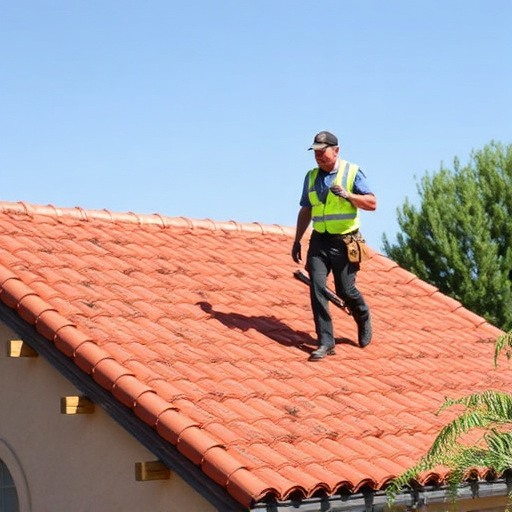
In contrast, walk-on inspections involve a qualified roofer physically accessing the roof. This method is ideal for closely examining the roof's condition, checking for damage after a storm, or assessing areas that may be difficult for drones to reach, like flat roofs or historic homes with unique designs. A Tucson roofer with an Arizona ROC license will meticulously inspect every component, from the tiles or shingles to the underlayment and flashing, providing detailed feedback on the roof's remaining life expectancy. Walk-on inspections are especially critical for commercial properties, where regular maintenance and thorough assessments are often required for insurance purposes.
When comparing the two methods, a drone inspection is often faster and less disruptive to the property owner, as it eliminates the need for roofer access. However, it may not replace a thorough walk-on inspection, especially for older or historically significant structures. Combining both approaches can offer the most comprehensive assessment, ensuring that all potential issues are identified before the monsoon season or after a storm event.
Navigating the Paperwork for a Thorough Roof Assessment

When navigating the process of roof inspection in southern Arizona, one of the most critical yet often overlooked aspects is the paperwork involved. A thorough assessment involves more than just visual examination; it requires meticulous documentation to ensure all potential issues are identified and addressed. This is where understanding the difference between drone and walk-on inspections, and the subsequent paperwork, becomes essential.
A licensed Arizona roofer, like those at Eddies Garage Door Service, will typically start with a detailed walk-on inspection. During this process, the roofer physically examines the roof, checking for signs of wear, tear, or damage. They'll inspect the underlayment, looking for any separation or damage that could compromise the roof's integrity. This hands-on approach allows for immediate identification of issues, and the roofer will document these findings. In contrast, a drone inspection offers a faster, more efficient way to capture the roof's condition, especially for larger properties or those with hard-to-reach areas. However, it doesn't replace the need for detailed documentation.
Once either inspection method uncovers issues, the roofer will prepare a comprehensive report. This document includes not only visual evidence but also a detailed description of each problem, its severity, and potential causes. The report might highlight UV damage, especially in southern Arizona's intense sun, and recommend specific repairs. In the case of a roof certification for a sale, this report becomes crucial. It provides potential buyers and insurers with a clear understanding of the roof's condition, helping to facilitate the transaction. For rental properties or historic homes, the report can include specific considerations and necessary repairs to meet local building codes and insurance requirements.
After the initial inspection, maintaining regular paperwork updates is vital. This is especially important when dealing with home warranty programs, which often require detailed records of inspections and repairs. If a roof repair is needed after an inspection, the roofer will update the original report, detailing the work performed and any remaining issues. Regular updates ensure that any future assessments build upon this historical data, providing a complete picture of the roof's health.
Frequently Asked Questions About a Plain Language Look at the Cost, Timing and Paperwork of a Roof Inspection in Southern Arizona
What is the purpose of a roof inspection? A roof inspection is crucial for assessing the condition of your roof and identifying any potential issues. It helps determine the extent of repairs or replacement needed, ensuring the structural integrity of your home. This process involves a thorough examination of the roof's components, including shingles, underlayment, flashing, and gutters, to detect signs of damage, wear, or deterioration.
How often should I get a roof inspection? The frequency of roof inspections depends on several factors, including the age of your roof, local weather conditions, and the quality of initial installation. As a general guideline, most experts recommend a professional inspection every 2 to 3 years for residential properties in southern Arizona. However, if you notice any signs of damage, such as leaks, missing shingles, or unusual noise, it's best to schedule an inspection immediately.
What is involved in the inspection process? During a roof inspection, a licensed professional will thoroughly examine your roof from the outside and inside (if necessary). They will look for signs of damage, check the integrity of the flashing and seals, assess the condition of the gutters and downspouts, and evaluate the overall structural soundness of the roof. The inspector will also provide an estimate for any recommended repairs or replacements, ensuring you're well-informed about the work required.
How much does a roof inspection cost? The cost of a roof inspection in southern Arizona typically ranges from $150 to $300, depending on the size of your property, the complexity of the roof, and the level of detail required. Some companies may offer discounts for regular customers or as part of a comprehensive home inspection package. It's essential to discuss pricing and services with several local providers to find the best value for your needs.
How long does a roof inspection take? Most roof inspections take 1 to 2 hours to complete, but this can vary based on the factors mentioned earlier. The complexity of your roof and any additional issues found during the inspection can extend the process. Many reputable companies will provide a detailed report and schedule a follow-up appointment if further evaluation is needed.
What kind of paperwork is involved? After the inspection, you will receive a comprehensive report detailing the condition of your roof and any recommended repairs or replacements. This document should include clear photographs, descriptions of findings, and estimated costs. Keep this report for your records and share it with your insurance provider if you plan to file a claim. It's also a good idea to ask about their policy on storing and sharing inspection data.
A thorough roof inspection in southern Arizona is a multifaceted process that can significantly impact your property's value, safety, and longevity. By understanding the cost, timing, and paperwork involved, homeowners and investors can make informed decisions. The article has outlined several key insights: drone vs walk-on inspections offer differing levels of detail and efficiency, with drone inspections providing a comprehensive view at a faster rate but sometimes requiring additional paperwork; the cost of a roof inspection varies based on square footage, complexity, and the chosen method; and a well-documented inspection report is crucial for insurance claims, home sales, and understanding your roof's remaining lifespan.
For practical purposes, consider the following next steps: compare quotes from licensed professionals to ensure competitive pricing, choose an inspection method based on your needs and budget, and review the inspection report thoroughly before making any decisions. By doing so, you'll gain confidence in the integrity of your roof and the expertise of the inspectors, ensuring a secure and informed path forward.
In southern Arizona, roof inspections vary between drone and walk-on methods, each with its advantages. Drone inspections offer a comprehensive aerial view, ideal for large roofs and quick assessments. Walk-on inspections provide detailed, hands-on examination, crucial for older structures and commercial properties. Both methods generate reports detailing findings and recommendations. Combining both approaches ensures thorough roof analysis, vital for home sales, insurance, and maintenance. Regular paperwork updates, especially after repairs, are essential for warranty programs and future assessments.