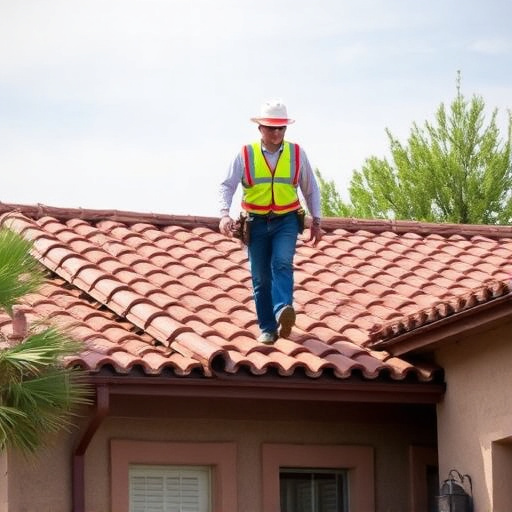
The roof is one of the most critical components of a home or commercial building, providing essential protection from the elements. In Tucson, with its unique climate and diverse roofing options-from tile and shingle to foam and flat roofs-understanding the inspection process is crucial for property owners and managers. This article examines the practicalities of roof inspections, focusing on how tile, foam, shingle, and flat roofs, common in our region, are evaluated. We'll explore what to expect during an inspection, including a detailed look at the parapet wall roof inspection, a vital aspect often overlooked. By the end, you'll be equipped with knowledge to navigate the process, ensuring your roof is in top condition.
- Preparing for Tucson Roof Inspections: Tile to Flat
- On-Site Assessment: Examining Materials and Parapet
- Documentation and Maintenance: Ensuring Longevity
Preparing for Tucson Roof Inspections: Tile to Flat
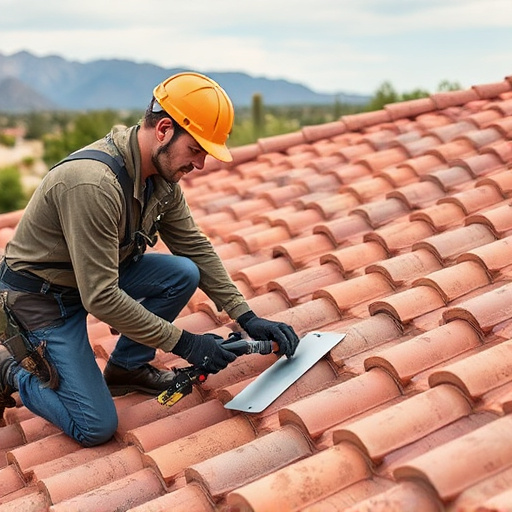
When preparing for a roof inspection in Tucson, understanding the unique characteristics of different roofing materials is crucial. Parapet wall roof inspections involve specific considerations for each type, from the tile that dominates local landscapes to the increasingly popular foam and shingle options.
Tile roofs, common in Tucson's arid climate, require careful examination for signs of UV damage, a primary concern due to the intense sun. An experienced Tucson roof inspector will look for cracked or broken tiles, loose or missing grout, and evidence of water ponding, which can lead to leaks and structural damage over time. Proper drainage is key; inspections should verify that water is directed away from the building's foundation, preventing erosion and potential flooding.
Flat roofs, while less common, present their own set of challenges. These require meticulous checks for vents, which are essential for air circulation and prevention of moisture buildup. An inspection should also look for signs of UV damage, as flat roofs are often exposed to prolonged sun exposure. After heavy storms, inspections are particularly crucial to identify any damage from hail or wind, which can be more pronounced on flat surfaces. A parapet wall roof inspection may reveal leaks stemming from blocked drains or loose flashing, highlighting the importance of a thorough post-storm evaluation.
To these considerations, an inspector will assess the overall condition of the roof, including its remaining life expectancy, especially in light of Tucson's challenging climate. This includes examining the underlayment, which acts as a protective barrier between the tiles (or other materials) and the roof deck, for signs of wear and tear. Understanding these nuances ensures that any issues are identified and addressed promptly, protecting both the home's value and the homeowner's investment.
On-Site Assessment: Examining Materials and Parapet

During an on-site assessment, a Tucson roofer with an Arizona ROC license will meticulously examine the parapet wall, a crucial component of any roof system. The parapet, the vertical wall that runs along the edge of the roof, often hides signs of potential problems. A skilled inspector will look for any cracks, gaps, or damage that could allow water intrusion. They'll also check for proper drainage, ensuring water is channeled away from the structure, preventing damage from pooling. Infrared scans, a valuable tool, can help identify hidden moisture problems, revealing where water has penetrated behind tiles, shingles, or foam.
For tile roofs, the focus shifts to the integrity of the underlayment, the protective layer beneath the tiles. The inspector will check for any signs of aging or damage, looking for spots where the underlayment may be cracked or curled, which could lead to leaks. They'll also inspect the condition of the tiles, looking for loose, missing, or damaged shingles. Ceiling stains, often an indication of water damage, are carefully evaluated, and the inspector will use a moisture meter to test for any residual humidity.
Shingle roofs present their own set of inspection considerations. The roofer will assess the overall coverage and look for any missing or damaged shingles, as well as signs of loose or protruding nails. They'll also examine the condition of the shingles' underlayment, checking for any rips or tears. As with tile roofs, ceiling stains and moisture meters play a crucial role in identifying potential leak locations. Flat roofs, while appearing simpler, require a different set of skills. The inspector will look for proper drainage systems, including drains and flashing, to prevent water pooling and potential damage. They'll also check for cracks or damage to the flat roof coating, which can be more susceptible to degradation from UV exposure and weather conditions.
In all cases, a thorough parapet wall roof inspection reveals the roof's overall health, enabling the inspector to provide accurate estimates for repairs or replacements. Understanding the unique challenges posed by Tucson's climate and local building codes, an experienced roofer can ensure that your roof is safe, durable, and in compliance with local regulations.
Documentation and Maintenance: Ensuring Longevity

Regular documentation and maintenance are crucial for prolonging the lifespan of your roof, regardless of its type-tile, foam, shingle, or flat. In Tucson, with its unique climate and local building codes, proper roof care is paramount. A licensed Arizona roofer understands these nuances and can provide expert guidance tailored to each roof style.
Tile roofs, common in many parts of Tucson, require meticulous care. Visual inspections are essential to check for loose or damaged tiles, and professional roofers often recommend infrared scans to detect heat anomalies that may indicate underlying issues. Regular cleaning and sealing of the underlayment are vital to prevent moisture intrusion. The Tucson Building Department emphasizes the importance of proper documentation, encouraging roofers to maintain detailed records of inspections and maintenance activities.
For foam roofs, a different set of considerations arises. These roofs are known for their durability, but they need periodic assessments for signs of structural weakening or moisture buildup. Tucson's monsoon season necessitates post-monsoon inspections to verify the integrity of roof penetrations and flashing, which can be vulnerable to wind and water damage. Using advanced scanning technologies, roofers can identify weak spots and potential leaks, ensuring the foam insulation remains effective.
Shingle roofs, a popular choice for Tucson residences, require ongoing attention as well. Regular inspections should include checking for loose or missing shingles, especially after extreme weather events like hail or wind storms. A skilled roofer will also examine roof penetrations, such as those around chimneys and vents, for proper sealing. As with any roof type, regular maintenance and documentation are key to extending the roof's lifespan. For flat roofs, a comprehensive inspection should involve checking for cracks, proper drainage, and the overall integrity of the sealant.
A professional roof inspector, whether from a local roofing company or a licensed Tucson roofer, will provide detailed reports outlining any issues found during these inspections. These reports can be invaluable for homeowners and businesses, helping to prioritize repairs and plan for maintenance. By following these practices, Tucson property owners can ensure their roofs remain in top condition, enhancing energy efficiency, preventing costly damage, and extending the overall lifespan of their roofing systems.
Frequently Asked Questions About a comparison of how tile, foam, shingle and flat roofs common in Tucson are inspected
What are the key differences when inspecting these different types of roofs?
When comparing inspections, tile roofs require a keen eye for damage to the individual tiles, their grout, and the underlayment. Foam roofs are inspected for stability, structural integrity, and any signs of water intrusion. Shingle roofs focus on the alignment, integrity, and condition of the shingles, along with the state of the underlayment. Flat roofs demand a thorough check for leaks, cracks, and separation from the deck. Each inspection involves unique challenges and considerations dictated by the roof's design and material.
How often should each type of roof be inspected?
Tile roofs, with their durable nature, generally require inspections every 5-7 years. Foam roofs, due to their lightweight and rigid structure, need inspecting annually. Shingle roofs, more prone to wind damage and weathering, should be inspected at least twice annually. Flat roofs, with their vulnerability to leaks, should be checked quarterly, or more often if they exhibit signs of wear.
Are there any specific issues unique to each roof type that inspectors should be aware of?
Absolutely. Tile roofs can suffer from loose or missing tiles, while foam roofs may develop cracks or become compressed. Shingle roofs often face issues like curling, cracking, or becoming unfastened. Flat roofs are prone to leaks, especially around vents and drains, and can be susceptible to damage from tree roots infiltrating the underlayment.
How does the inspection process vary for each type of roof in Tucson, Arizona?
The inspection method adapts to the roof type. Tile and shingle roofs involve climbing and examining the surface. Foam roofs, being lightweight, allow for easier access and inspection from the ground. Flat roofs often require inspectors to use ladders or scaffolding, especially for detailed checks around fixtures. Local regulations and safety protocols guide all inspections, ensuring thoroughness and safety.
What tools do Tucson roof inspectors typically use for each type of roof?
Inspectors employ a range of tools, with some type of ladder being essential for all. For tile and shingle roofs, inspectors use microscopes for close tile inspection and magnetic tools to check for metal fastener integrity. Foam roofs may require thermal imaging cameras to detect heat anomalies. Flat roofs demand tools for checking drainage systems, along with flashlights for examining dark areas.
Can a regular homeowner perform these inspections, or is a professional required?
While homeowners can perform basic checks, most roof inspections, especially for tile, foam, and flat roofs, require professional expertise. A licensed Tucson roofing contractor, familiar with local building codes, has the tools and knowledge to thoroughly inspect these complex roof types, ensuring safety and compliance.
Understanding how to inspect the diverse roofing types common in Tucson is crucial for both homeowners and property managers. This article has guided you through the process, from preparing for inspections with knowledge about tile, foam, shingle, and flat roofs, to the meticulous on-site assessments that include examining materials and parapet walls, a critical component often overlooked.
The value of a thorough inspection cannot be overstated. It not only ensures the longevity of your roof, but also protects your investment and aids in home maintenance. By documenting findings and understanding the necessary maintenance, you can better manage your property's roof health.
Moving forward, remember that regular inspections, even during specific seasons like pre-monsoon checks or post-hail/wind events, are vital. Engaging with experienced Tucson roofers, like those in the Tucson Professional Roofers Association or a licensed local contractor like DC Roofing of Arizona, can provide valuable insights and ensure your roof meets local building codes, such as those enforced by the Tucson Building Department.
Finally, be prepared to negotiate and understand inspection results, ensuring you're making informed decisions about repairs, replacements, or certifying a roof for sale. The insights gained here position you as a knowledgeable participant in the Tucson roofing market.
Tucson Roof Inspection: Understanding Unique Materials & Practices
A thorough Tucson roof inspection involves:
- Tile Roofs: Examining tiles & underlayment for UV damage, loose grout, water ponding, and proper drainage. Infrared scans detect hidden moisture.
- Flat Roofs: Checking vents, signs of UV damage, post-storm damage, proper drainage, and sealant integrity.
- Parapet Wall Inspection: Evaluating for cracks, gaps, and water intrusion, ensuring proper drainage, and using infrared scans for hidden issues.
- Documentation & Maintenance: Regular visual inspections, sealing, cleaning, and advanced scanning for all roof types, with emphasis on local building codes and Tucson's climate.