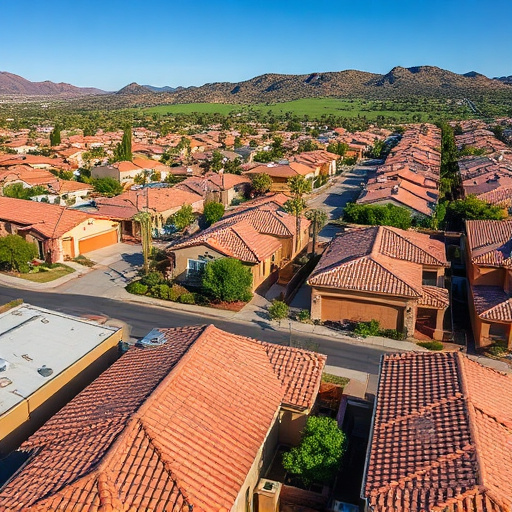
Homeowners in our desert climate face unique challenges for roof maintenance. Regular professional inspections are crucial, but what about the gaps between them? This comprehensive checklist equips you to spot potential roof problems before they escalate. Whether you're a seasoned homeowner or considering a purchase, understanding what to look for during a roof inspection before buying is essential. We'll guide you through crucial aspects, from checking tile underlayment and foam roof coatings to inspecting drainage systems and detecting moisture. By following these expert tips, you'll be better prepared to maintain your roof's integrity and protect your investment.
- Assessing Your Desert Roof's Health
- Common Desert Roof Problems to Spot
- Regular Maintenance for Optimal Protection
Assessing Your Desert Roof's Health
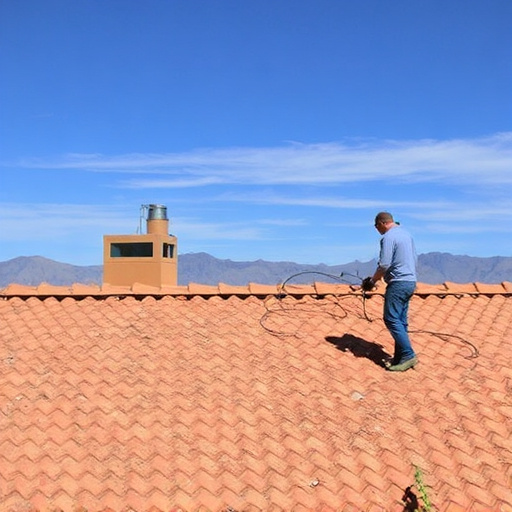
In between professional inspections, homeowners in the desert climate of Tucson and Oro Valley can take an active role in assessing their roof's health. The desert environment presents unique challenges, from intense sunlight and heat to occasional powerful storms. Regularly inspecting your roof can help identify issues early, potentially saving you from costly repairs. Focus on key components and look for signs of wear and tear, especially after extreme weather events.
One crucial area to examine is ventilation. Proper ventilation helps regulate roof temperature, preventing excessive heat buildup that can damage shingles. Check for open vents along the roofline and inside the attic, ensuring they aren't blocked by debris or insulation. Blocked vents can lead to a buildup of hot air, causing shingles to deteriorate faster. Also, look for signs of excessive moisture. While desert climates typically lack heavy rainfall, sudden downpours during monsoons can result in ponding water on your roof. Check for any standing water and ensure proper drainage systems are in place to divert water away from the structure.
Another vital aspect to consider is the condition of your roof's underlayment. The underlayment acts as a secondary barrier against water intrusion and provides added insulation. Inspect for any tears, holes, or missing pieces. Pay attention to the state of your roof coating. A foam roof coating can provide extra protection against UV rays and extreme temperatures. Look for signs of flaking or blistering, which could indicate the coating is no longer effective. Remember, a roof certification from a licensed professional, like a roofing contractor serving Tucson and Oro Valley, can provide a detailed assessment of your roof's condition, helping you make informed decisions about repairs or replacements.
Common Desert Roof Problems to Spot
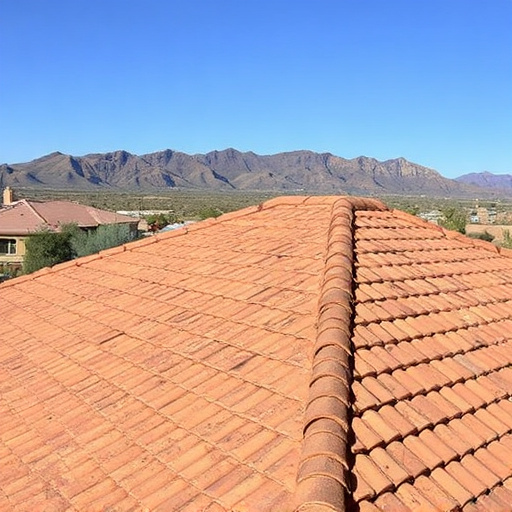
In the harsh desert climate, homeowners are particularly vigilant about potential roof problems, especially between professional inspections. While a thorough roof inspection before buying a home is essential, regular maintenance and observation can help identify issues early. Common desert roof problems often manifest in distinct ways, requiring your attention.
One of the most visible signs is cracked tiles, a frequent occurrence due to extreme temperature fluctuations. These cracks can vary from narrow fissures to larger breaks, affecting the structural integrity of your roof. The desert's intense sunlight can lead to the deterioration of shingles, causing them to curl or become brittle. Homeowners should also look out for unexpected ceiling stains, which might indicate underlying leaks caused by broken tiles or flashing issues. A recent case in Tucson revealed a roof leak stemming from a missing shingle, leading to extensive interior damage.
Another critical aspect to monitor is the condition of the underlayment, especially after extreme weather events. A Tucson roofer with an Arizona ROC license recommends inspecting the underlayment for signs of wear and tear, as it matters in protecting the roof structure. Be alert for any sagging or unevenness in the roof, which could point to structural damage. Regularly checking for these issues between inspections can help you stay proactive in maintaining your home's most critical defense against the desert's harsh elements.
Regular Maintenance for Optimal Protection

In the arid climate of Marana, where UV damage can accelerate, regular maintenance is crucial for protecting your home's most vital asset: the roof. Between professional inspections, homeowners can significantly extend the life of their roofs and avoid costly repairs by staying vigilant. This section provides a detailed checklist to help you spot potential issues and ensure your roof remains in optimal condition.
Start by examining the roof valleys-crucial drainage channels that direct water away from your home. Look for any signs of blocking or debris buildup, which could lead to water pooling and damage. Keep an eye out for loose or missing shingles, especially in areas exposed to direct sunlight. UV rays can weaken shingles over time, making them more susceptible to wind damage. Also, check for signs of mold or algae growth, often indicated by discolored patches, which can compromise the structural integrity of your roof.
A Tucson roofer with an Arizona ROC license recommends inspecting your roof's underlayment and foam coating. The underlayment provides an extra layer of protection against the elements, and its integrity is essential. Similarly, a thorough check of the foam coating, which acts as a barrier against heat and moisture, can help prevent leaks and prolong the life of your roof. Regular maintenance, coupled with professional inspections, ensures that any issues are identified and addressed promptly, leading to a safer, more energy-efficient home.
Frequently Asked Questions About a homeowner checklist for spotting roof problems between professional inspections in the desert climate
What are the unique challenges of roof inspection in a desert climate?
A desert climate presents distinct challenges for roof inspections. Extreme temperatures can accelerate material degradation, causing shingles to wear down faster or metal components to become brittle. High winds and dust storms can also leave behind debris that could damage or block gutters and drains, leading to water accumulation and potential structural damage. Regular inspections are crucial to catch these issues early.
What are the most common roof problems homeowners should look out for?
Common roof problems in desert climates include cracked or missing shingles, flashing damage around chimneys or vents, rust or corrosion on metal components, and water stains or peeling paint on ceilings and walls. Also, look for clogs or leaks in the gutters and downspouts, as desert conditions can exacerbate these issues.
How often should I conduct a visual roof inspection?
It's recommended to perform a visual roof inspection at least twice a year, especially in desert regions. This allows you to identify and address potential issues before they become costly repairs or safety hazards. Remember, professional inspections are still essential; this checklist complements, not replaces, professional care.
Can I spot roof problems without specialized training?
While a keen eye for detail helps, some roof problems require knowledge or tools to identify accurately. This checklist provides guidance on what to look for, but for more complex issues, consult a licensed roofer. They have the expertise and equipment to assess potential problems that may not be readily apparent to a homeowner.
What should I do if I find damage during my inspection?
If you discover damage, document it with photos, noting the location and extent of the issue. Then, contact a reputable roofer for a professional assessment. Prompt action is crucial, as neglecting damage can lead to more severe and costly problems.
Are there any specific signs of roof trouble in older homes?
In desert climates, older homes may show signs of roof trouble more quickly. Look for signs of previous repairs, excessive wear on shingles, and metal components showing significant corrosion. Check for proper ventilation, as inadequate airflow can contribute to early material degradation in hot, dry conditions.
As a Tucson homeowner, understanding your desert roof's unique challenges and implementing a proactive maintenance plan are crucial between professional inspections. By regularly assessing your roof's health, you can identify common issues like missing or damaged shingles, loose fixtures, or moisture buildup, addressing them promptly to prevent costly repairs. A thorough visual inspection, especially after extreme weather events or before putting your home on the market, should include checking the underlayment, foam coating, and drainage systems. This proactive approach ensures your roof's longevity, safeguarding your investment and providing peace of mind in our desert climate. Next steps include scheduling regular maintenance with a trusted local contractor and familiarizing yourself with local building codes and homeowner's warranty programs.
In the desert climate of Tucson and Oro Valley, homeowners take an active role in roof health between professional inspections. Key areas to examine include ventilation, moisture buildup, underlayment, and roof coating. Regular checks for cracks, deterioration, and leaks can prevent costly repairs. A licensed roofer recommends inspecting these aspects, especially after storms, to ensure the roof's longevity. Staying vigilant extends the life of your roof and enhances your home's protection against harsh elements.