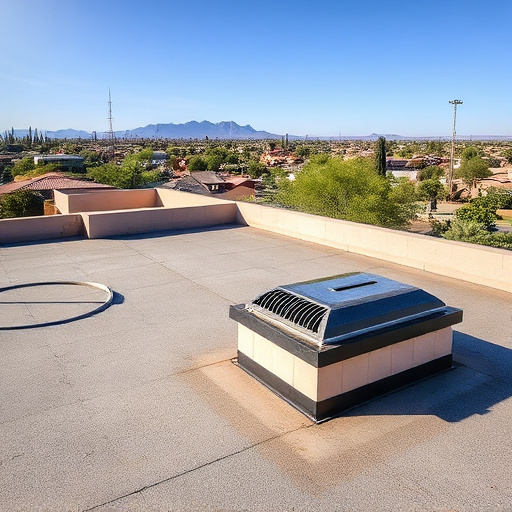
As a Tucson homeowner, knowing what to look for in between professional roof inspections is crucial. The desert climate presents unique challenges, from intense sunlight and heat to occasional storms and dust. Regular DIY checks can catch potential issues early, saving you from costly repairs or worse-a compromised roof during a storm. This checklist equips you to spot common desert-related problems, focusing on the often-overlooked areas of the attic and ceiling. We'll guide you through essential inspections, from checking for moisture and damage to understanding the role of proper ventilation and underlayment, ensuring your roof remains a protective shield for your home.
- Visual Inspection: Spotting Common Desert Roof Issues
- Attic and Ceiling Checks: Signs of Potential Problems
- Maintenance Tips: Proactive Roof Care in Arid Conditions
Visual Inspection: Spotting Common Desert Roof Issues
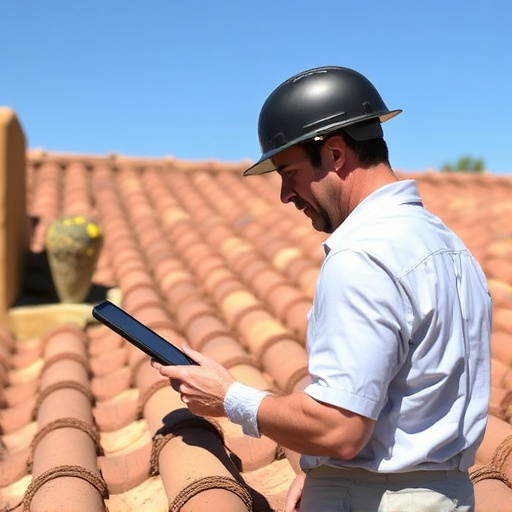
A thorough visual inspection is crucial for homeowners in the desert climate to identify potential roof issues between professional inspections. While drone photos and traditional walkthroughs have distinct advantages, a keen eye for detail is essential. During your routine attic and ceiling checks, look for telltale signs of common desert-related problems. Cracked tiles, for instance, can be a result of extreme temperature changes and intense sunlight, and their presence may indicate a larger issue.
Focus on the roof's structure and components. Examine the scuppers-the small openings designed to drain water-for any blockages or damage. Clogged scuppers can lead to water accumulation and potential roof decay. Also, check for loose or missing shingles, as these can be easily dislodged by strong winds common in the desert. Look for signs of moisture or water stains on the ceiling, which might indicate leaks, especially if accompanied by musty odors.
To visual cues, consider the overall condition of the attic. Insulation should be in good shape and free from damage or degradation, as poor insulation can lead to energy inefficiencies and increased wear on the roof. Look for signs of pests or rodents, which can cause significant damage to roof materials, particularly in historic homes. If you notice any of these issues, it's advisable to consult with a licensed roofer, such as DC Roofing of Arizona, for a detailed assessment and recommendations. Regular, proactive inspections can help ensure your desert home's roof remains in top condition, preventing costly repairs.
Attic and Ceiling Checks: Signs of Potential Problems
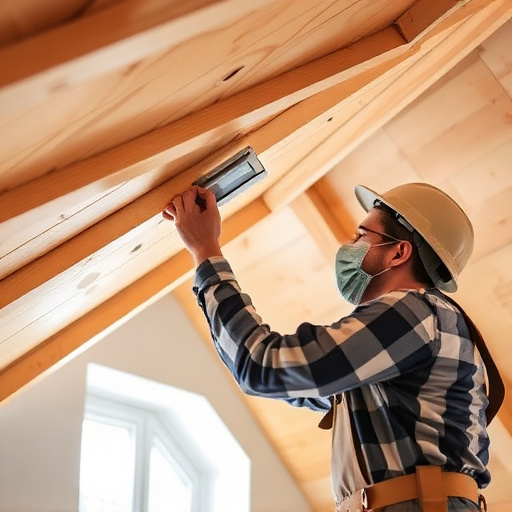
For maintaining your roof in the harsh desert climate, regular attic and ceiling checks are crucial. These inspections are often overlooked but can reveal significant issues that might otherwise go unnoticed until they become costly problems. As a homeowner, understanding what to look for can help you stay proactive about your roof's health, especially between professional inspections.
Focus on venting systems. In the desert, proper ventilation is critical to prevent excess heat build-up and moisture accumulation. Check for blocked or damaged vents, which can lead to poor air circulation and, over time, cause severe damage to your roof. Ensure that all vents are clean, unobstructed, and in working order. Also, examine the flashing around these vents. Flashing serves as a protective barrier, preventing water from seeping into the ceiling and attic. If it's damaged or loose, water can infiltrate, causing leaks and mold growth, which are particularly concerning issues in the desert climate.
To vents, pay close attention to the ceiling and attic spaces. Look for any signs of water stains, especially around light fixtures or plumbing runs. These could indicate a leak from a broken pipe or faulty wiring. Keep in mind that the arid desert environment can also lead to contraction and expansion of materials like wood and metal, causing common issues like loose or damaged shingles, loose fascia boards, and even gaps around vents and plumbing vents. Regular checks can help catch these issues early, allowing for simple repairs instead of costly replacements.
Remember, DC Roofing of Arizona, a local Tucson roofing contractor, emphasizes the importance of regular maintenance. By incorporating attic and ceiling checks into your home inspection routine, you'll be better equipped to identify and address potential roof problems before they escalate. This proactive approach can save you money and ensure your home remains protected against the unique challenges posed by the desert climate.
Maintenance Tips: Proactive Roof Care in Arid Conditions
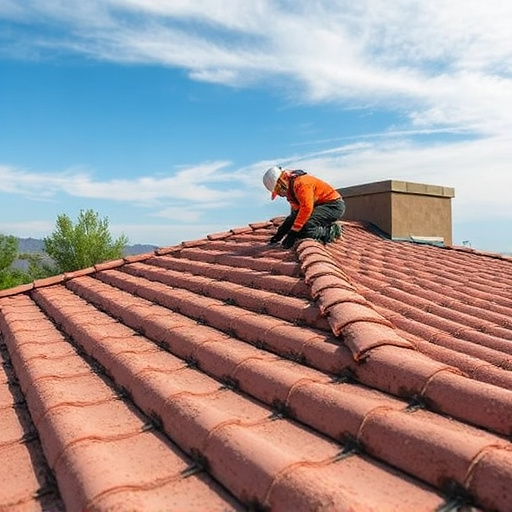
In arid climates like ours, proactive roof care is essential to prevent significant damage. Regular attic and ceiling checks are a crucial part of this maintenance regimen. By the time a professional inspector arrives, it's often too late to catch subtle issues. Homeowners can play a vital role by inspecting these areas between professional inspections. Look for signs of water damage, which may appear as discolored or peeling paint, mold, or musty odors. Check for proper ventilation in the attic, as inadequate airflow can lead to heat build-up and early roof deterioration.
The desert sun can be brutal on roofs, causing UV damage that weakens shingles and underlayments. Regularly examine the roof's condition, paying special attention to older areas or sections that have received particular attention during repairs or replacements. Keep an eye out for loose or missing shingles, which can expose the underlayment to harsh elements. A local Tucson roofing company recommends inspecting the roof after extreme weather events, such as dust storms or monsoons, as these can cause noticeable damage.
When reviewing an inspection report, homeowners should pay close attention to the condition of the roof's underlayment and tile or shingle integrity. Look for any signs of wear and tear or areas that may need immediate attention. If you're unsure about any findings, don't hesitate to consult with a professional roofer. Regular maintenance and proactive inspections can save homeowners significant costs associated with insurance renewals and unexpected roof replacements. Remember, early detection is key to preserving your home's most critical asset-its roof.
Frequently Asked Questions About a homeowner checklist for spotting roof problems between professional inspections in the desert climate
What is the primary purpose of a homeowner checklist for roof problems? The checklist is a proactive tool for homeowners to inspect their roofs for common issues between professional inspections. It helps identify potential problems early, allowing for timely repairs and preventing more severe damage. This is particularly important in desert climates where extreme temperatures and sunlight can accelerate roofing deterioration.
How often should I perform a roof inspection? While professional inspections are recommended at least every 2-3 years, a homeowner checklist can be used monthly or every few months. Regular, thorough checks are crucial, especially in regions with intense sun and heat, as these conditions can cause subtle damage that may go unnoticed.
What are some common signs of roof damage to look for? Look for missing or loose shingles, water stains, sagging or buckling, and signs of leaks. Also, check for mold or mildew growth, especially on the north side of your roof where shadows can persist. These are all indicators of potential problems that may require professional attention.
Do I need specialized equipment to inspect my roof? You don't need special equipment, but a pair of binoculars or a camera with a zoom function can help you inspect hard-to-reach areas. A ladder is essential for accessing the roof, so ensure it's securely placed and used according to safety guidelines. Most issues can be identified with the naked eye.
What should I do if I find damage on my roof? Document the damage with photos, noting the location and extent. Contact a licensed roofer from a reputable local company, like DC Roofing of Arizona, for an inspection and repair estimate. Prompt action can prevent minor issues from becoming costly, time-consuming problems.
How can I be sure I'm looking for the right things on my roof? Refer to a comprehensive homeowner checklist tailored for desert climates. This list will guide you through the most common issues specific to your region. To standard damage signs, consider checking for proper ventilation and the condition of your roof's underlayment.
As Tucson's desert climate presents unique challenges to roof integrity, homeowners must be vigilant between professional inspections. By regularly performing attic and ceiling checks, along with other proactive maintenance, you can spot potential issues early. These efforts, coupled with understanding common desert roof problems, empower you to take informed action. Prioritize visual inspections, pay close attention to signs of moisture, and don't overlook the value of expert advice. Regular maintenance and timely repairs not only protect your investment but also ensure the longevity of your roof, offering peace of mind in this arid environment.
Summary:
Regular, thorough attic and ceiling checks are vital in arid climates like Tucson for identifying potential roof issues. Homeowners should look for:
- Visual signs of damage: Cracked tiles, loose or missing shingles, water stains, mold, or musty odors.
- Venting system issues: Blocked or damaged vents leading to poor air circulation and roof damage.
- Structural integrity: Check underlayment condition, shingle/tile integrity, and wear in older areas.
Proactive inspections between professional check-ups can save costs and prevent major repairs. Consult a licensed roofer like DC Roofing of Arizona for detailed assessments.