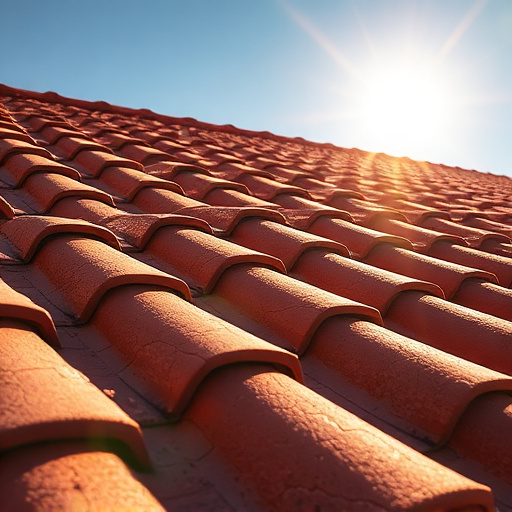
Roof inspections are a critical component of maintaining your historic home in Tucson's unique climate. With frequent weather changes, from monsoons to dust storms, a professional inspection can reveal vital information about your roof's condition and longevity. This guide is designed to empower Tucson homeowners with the knowledge to understand the key aspects of a comprehensive roof inspection, including tile underlayment checks, foam coating evaluations, and moisture detection for leaks. By knowing what to expect, you can make informed decisions about repairs, certifications for sales, and insurance renewals. Let's explore how a professional inspection can provide insights into your roof's remaining life and ensure your historic home remains protected.
- Understanding the Scope: What a Professional Roof Inspection Entails
- Decoding the Findings: Common Historic Home Roof Issues
- Proactive Maintenance: Addressing Roof Problems After Inspection
Understanding the Scope: What a Professional Roof Inspection Entails
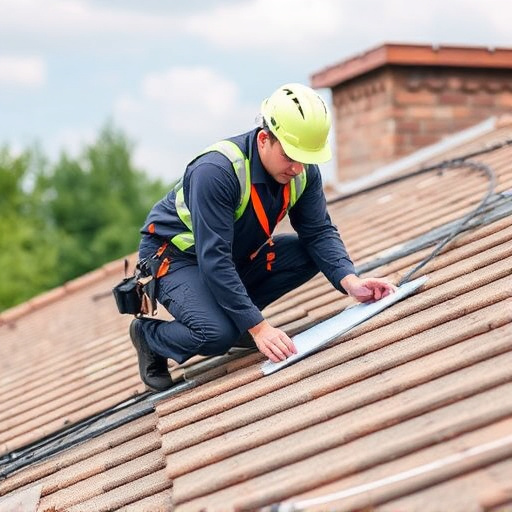
A professional roof inspection is more than just a quick walk around the perimeter of your home. For homeowners in Tucson, especially those with historic homes, a thorough inspection involves a detailed, systematic evaluation of every element that contributes to the structural integrity and longevity of the roof. It's akin to a doctor performing a comprehensive check-up, identifying potential issues early on to prevent more serious damage down the line.
Think of it as a multi-step process. The inspector will start with a visual assessment, looking for any signs of damage such as slipped tiles, missing shingles, or loose underlayment. They'll use tools like a moisture meter to detect any signs of water intrusion or moisture build-up, a crucial step in identifying potential leaks that could compromise the structural integrity of your home, particularly in our dry climate. In the case of historic homes, the inspector might also need to consider the unique materials and construction techniques used, which may require specialized knowledge to accurately assess.
Next, they'll inspect the roof's structure, checking the condition of the framing, flashing, and gutters. This includes examining the underlayment for any signs of deterioration or damage, as well as assessing the quality and age of the shingles or tiles. In Vail, where weather patterns can vary widely, the inspector will factor in local environmental factors, such as the impact of intense sunlight and wind, which can accelerate the wear and tear on your roof. A thorough inspection might uncover the need for a new coating of foam insulation to better protect against extreme temperatures.
The inspection report, generated by a licensed Tucson roofer with an Arizona ROC license, will detail all findings, including any recommended repairs or replacement. This document is invaluable, providing homeowners with a clear understanding of their roof's condition and guiding future decisions regarding maintenance or replacement. By understanding what a professional roof inspection entails, Tucson homeowners can make informed choices about their home's most crucial protection against the elements.
Decoding the Findings: Common Historic Home Roof Issues
When considering a historic home in Tucson, a professional roof inspection is crucial. Historic homes often have unique roofing materials and designs, which require specialized care. An experienced Tucson roof inspector will perform a thorough examination, looking for signs of damage or potential issues specific to these structures. Common problems can include slipped tiles, which are a particular concern due to the historical nature of the building. These loose tiles can lead to moisture infiltration, causing significant structural damage over time.
During the inspection, the inspector will use a moisture meter to check for any signs of water intrusion or leaks. This tool is essential for identifying problems that may not be immediately visible. A moisture meter can help uncover hidden moisture buildup in the attic or ceiling, which could indicate damaged or failing underlayment. The inspector will also pay close attention to the roof's underlayment-a protective layer between the shingles and the roof deck-to ensure it's in good condition and properly installed.
One of the key aspects of a historic home roof inspection is the assessment of the overall roof structure and its compatibility with the building's age and design. The inspector will consider local weather patterns and Arizona's climate, which can put additional stress on older roofing systems. Intense summer heat can accelerate the degradation of certain roofing materials. Understanding these factors helps the inspector provide a comprehensive roof certification, ensuring the home's structural integrity and guiding any necessary repairs or replacements.
Proactive Maintenance: Addressing Roof Problems After Inspection
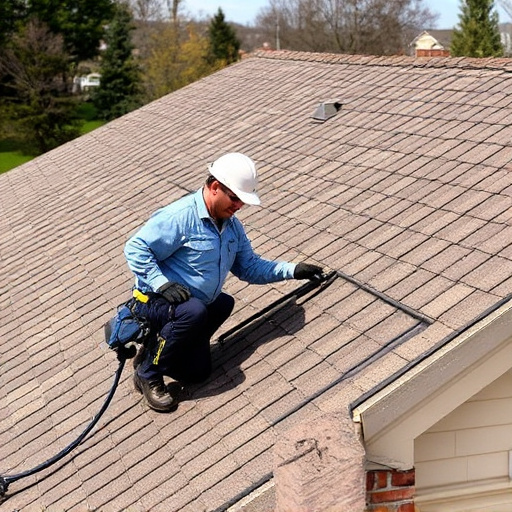
After a professional roof inspection, homeowners often wonder how to proactively address the findings, especially when dealing with historic homes in Tucson. This is crucial for maintaining the structural integrity of your home and ensuring its longevity, especially considering the unique challenges posed by the local climate and weather patterns, like monsoon seasons and desert winds.
One of the most common issues identified during a roof inspection is damage to the underlayment, which can lead to ceiling stains, especially in older homes. In Tucson, where extreme temperatures and high UV exposure are common, the underlayment may degrade faster, making regular inspections vital. If the inspection reveals issues like missing or torn underlayment, a licensed Tucson roofer with an Arizona ROC license can provide solutions. They might recommend a full replacement or reinforce it with additional protective layers. For historic homes, where the underlayment might be original, this could involve specialized restoration techniques to preserve the building's character while ensuring its protection.
Another proactive step is to address any moisture or water penetration issues. Roof inspectors will look for signs of leaks, which can often be traced to broken or missing shingles or flashing. If such problems are identified, it's essential to fix them promptly to prevent further damage. A roof with an adobe tile underlayment may require a foam roof coating to enhance its water-repellency, a solution that a Tucson roofer specializing in historic homes can advise on and implement. Regular inspections and timely repairs can extend the life of your roof, saving you from costly emergency repairs and ensuring your home's value, especially when preparing for a sale or a real estate transaction like the recent rise in Vail's housing market.
Frequently Asked Questions About a Practical Guide for Tucson Homeowners on Professional Roof Inspections
What is the purpose of a professional roof inspection? A professional roof inspection is crucial for Tucson homeowners to ensure the structural integrity and longevity of their roof. It involves a thorough assessment by a licensed roofer, who will identify potential issues, damage from weather, or signs of wear and tear. Regular inspections can help prevent costly repairs, increase energy efficiency, and ensure safety.
What does a typical roof inspection involve? During a typical inspection, the roofer will start by examining the exterior of the roof for any visible damage, such as missing or damaged shingles, leaks, or signs of moss growth. They will then move inside to check for proper ventilation, inspect the structure for signs of water damage or mold, and assess the overall condition of the roof decking and underlayment. A detailed report will be provided, outlining any findings and recommended repairs.
How often should I get my roof inspected? The frequency of roof inspections depends on various factors, including the age of your roof, local weather conditions, and the type of roofing material used. As a general guideline, Tucson homeowners should consider a professional inspection every 2-3 years, or more frequently if you live in an area prone to severe weather or have noticed any signs of damage.
What are some common findings from a roof inspection? Common findings can include missing or loose shingles, damaged flashing, poor ventilation, water stains, mold growth, or weakened roof structure. The inspector will document these issues in a report, prioritizing the most urgent repairs. They may also provide recommendations for maintenance and upgrades to improve the overall performance and lifespan of your roof.
How do I know if I can handle minor roof repairs myself? While some minor repairs, like replacing a few missing shingles, may be manageable for homeowners, more complex issues require the expertise of a professional roofer. Even seemingly simple tasks can have unforeseen consequences if not done correctly. It's essential to consult with a licensed contractor to assess the scope of the work and ensure the safety and integrity of your roof.
What happens if a major repair is needed after the inspection? If a major repair or replacement is required, the roofer will provide an estimated cost and timeline. Many contractors offer different financing options to make these necessary repairs more accessible. It's advisable to discuss these details during the inspection to plan for potential future expenses.
Can I find a reliable Tucson roofing company for the inspection? Absolutely. DC Roofing of Arizona, a licensed local roofing company, offers comprehensive roof inspection services. Their experienced inspectors will provide thorough assessments and recommendations tailored to your home's needs. Reputable companies prioritize customer satisfaction and will offer transparent pricing and high-quality workmanship.
A professional roof inspection in Tucson goes beyond a visual assessment; it's a comprehensive evaluation that considers local weather patterns, building codes, and historic home roof concerns. By understanding what these inspections cover, homeowners can be proactive in maintaining their properties. Common issues in historic homes, for instance, may include tile underlayment problems, moisture intrusion, and aging foam roof coatings. An inspection also checks for proper drainage, especially crucial in areas prone to monsoons and dust storms. After the inspection, homeowners gain valuable insights into their roof's remaining life expectancy and can make informed decisions. This includes negotiating with inspection results, knowing when to replace a roof, and understanding the steps involved in a commercial or rental property roof inspection. By embracing these key insights, Tucson homeowners can ensure their historic homes remain protected, extending the life of their roofs and saving them from costly, unexpected repairs.
Tucson Homeowners Guide to Historic Home Roof Inspection and Maintenance
A professional roof inspection for historic Tucson homes involves a detailed evaluation of structural integrity, including a visual assessment for damage, moisture detection with tools like a moisture meter, and an examination of the roof's underlayment, framing, and gutters. The report from a licensed Tucson roofer with an Arizona ROC license guides future decisions.
Key aspects include:
- Identifying unique materials and designs in historic homes.
- Detecting and fixing underlayment damage, addressing moisture issues promptly.
- Assessing local weather patterns' impact on aging roofs.
- Proactive maintenance, such as underlayment replacement, foam coating for water protection.
Regular inspections and timely repairs ensure the longevity of historic homes, protecting against costly emergency repairs.