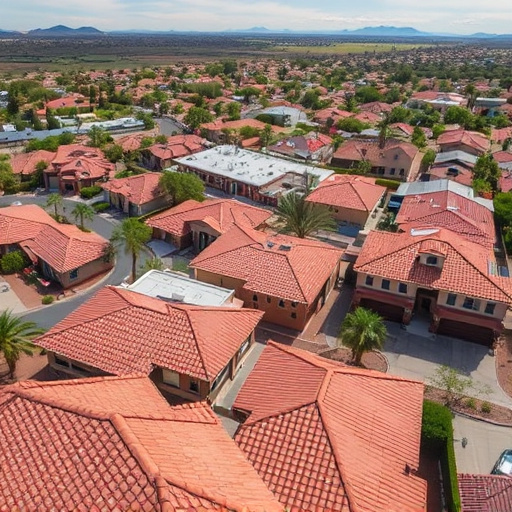
The Arizona sun can be a roof's best friend and worst enemy. In Tucson, where heat and UV exposure are part of the daily routine, a thorough roof inspection becomes even more critical. A well-maintained roof not only protects your home from the elements but also from costly repairs and potential structural damage. This article guides you through the essential elements of a Tucson roof inspection, focusing on how sun, heat, and UV exposure impact your roof's health. We'll examine the process, the key checks, and the benefits of a professional inspection, including a special focus on the often-overlooked parapet wall roof inspection, ensuring your roof stands strong against the challenges posed by our unique climate.
- Understanding Tucson's Unique Roof Challenges
- Assessing Solar Impact: Heat and UV Exposure
- The Role of Parapet Walls in Roof Inspection
Understanding Tucson's Unique Roof Challenges
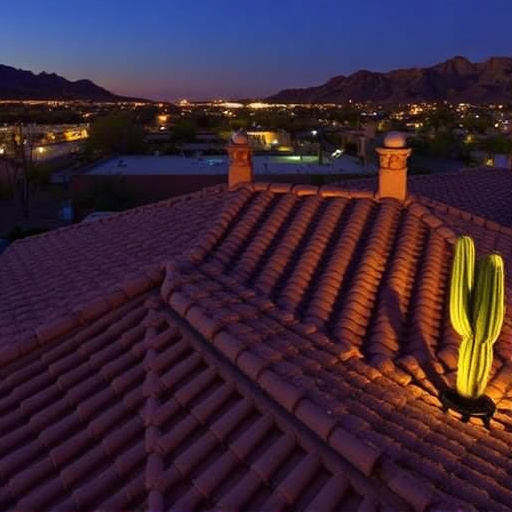
Tucson's unique climate presents distinct challenges for roof inspections. With intense sun, scorching heat, and high UV exposure, roofs in this region face accelerated aging and wear compared to other areas. This demands a thorough understanding of local conditions to ensure proper maintenance and longevity.
One critical aspect often overlooked during inspections is the condition of the parapet walls. These vertical structures surrounding the roofline not only serve aesthetic purposes but also play a vital role in water management. In hot, arid environments like Tucson, proper drainage is essential to prevent water damage. Over time, inadequate drainage can lead to ponding water on the roof, a common issue in this region. Insufficient drainage can cause a host of problems, from weakened roof structures to mold and mildew growth in the attic and ceilings. A licensed Tucson roofing contractor will inspect the parapet walls for proper sloping and drainage systems, ensuring water flows away from the building effectively.
Intense UV radiation can cause damage to various roofing materials, especially those lacking adequate protection. Concrete tiles, popular in Tucson's climate, can develop cracks and fade over time due to sun exposure. Inspectors should look for signs of these UV-induced defects, which can compromise the tile's integrity. Regular inspections, especially before monsoon seasons, can help identify issues early, allowing for timely repairs and extending the remaining roof life. Ceiling stains, often an indicator of water intrusion or poor drainage, may also be more prevalent here, requiring meticulous attention during inspections to ensure they are not a sign of more severe underlying problems.
Assessing Solar Impact: Heat and UV Exposure
Tucson's intense sun, heat, and UV exposure are critical factors during a roof inspection. These environmental conditions significantly impact a roof's performance and longevity, particularly in a region like Tucson where the monsoon season brings increased rainfall and potential hail. A thorough inspection should always include an assessment of these solar impacts, focusing on key elements such as parapets and scuppers.
Parapets, for instance, act as a barrier, protecting the building and roof from wind and debris. In Tucson's environment, where dust storms and monsoons are common, a roofer with an Arizona ROC license will scrutinize these structures for signs of wear and tear. UV exposure can weaken materials, leading to cracks or breaks that could compromise the entire roof system. Scuppers, which direct water away from the building, must be free of blockages to prevent water damage. A professional Tucson roofer will look for signs of clogging, especially after monsoons, to ensure proper drainage.
Regular inspections, ideally before and after monsoon seasons, help in identifying potential issues early. This proactive approach allows for repairs before more severe damage occurs. A roof inspection after a dust storm may reveal increased debris buildup in gutters, scuppers, and even on the roof itself. Such inspections also provide valuable data on the remaining life of the roof, helping property owners plan for future maintenance or replacement. This in-depth examination, considering the unique challenges posed by Tucson's climate, ensures that any roof issues are addressed promptly, protecting both the structure and its occupants.
The Role of Parapet Walls in Roof Inspection
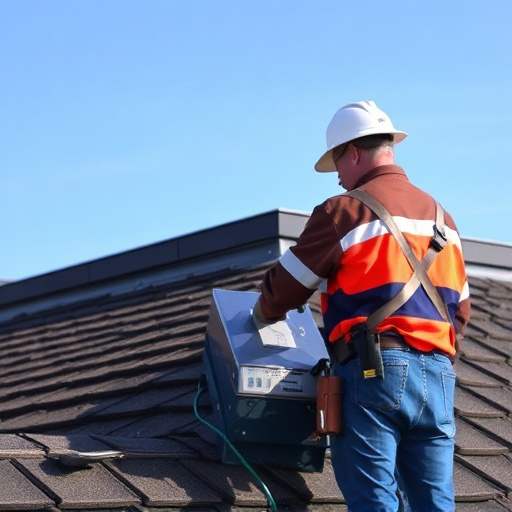
In the scorching sun of Tucson, a roof inspection reveals more than just the state of shingles and underlayment. The city's extreme heat and intense UV exposure play significant roles in the condition of your roof, particularly for parapet walls. These walls, often overlooked, are crucial for both structural integrity and as a defense against the elements.
During a thorough inspection, a licensed Tucson roofing contractor will meticulously examine the parapet walls, looking for signs of damage, corrosion, or cracks. Heat can cause metal components to expand and contract, leading to loose connections and potential leaks. Ceiling stains, often the result of prolonged water penetration, can also be indicators of underlying problems that may have started at the parapet. In areas like Vail, where high elevations and intense sunlight are common, these walls are particularly vulnerable. The contractor will check for proper sealing and flashing around the parapet, crucial for preventing water intrusion into the attic and ceiling.
The inspection also involves assessing the wall's functionality as a drain. Flat roofs, common in Tucson, require effective drainage systems to avoid water damage. The roofer will look for any blockages or damage to the drain system, ensuring water flows away from the building. In the summer heat, where pools of standing water can attract pests and create moisture issues, proper drainage is essential. The contractor will consider the condition of any foam roof coating, which can protect against UV degradation, a major factor in roof life expectancy.
Parapets also play a role in the structural integrity of historic homes, which are common in Tucson. An expert inspector will account for the unique challenges these structures face, such as expanded metal lath used in older constructions, which might require special attention during an inspection after a roof repair or replacement. Regular inspections, recommended by professionals every one to two years, are vital for maintaining the longevity of your roof and the building's overall value.
Frequently Asked Questions About an explainer on how sun, heat and UV exposure in Tucson show up during a roof inspection
What are the unique challenges of roof inspections in Tucson due to the local climate?
Tucson's climate presents distinct challenges for roof inspections. The intense sun, high heat, and powerful UV rays can accelerate the aging process of roofing materials, often exposing weaknesses or damage earlier than in other regions. During an inspection, experts look for signs of cracking, curling, or fading in shingles, as well as any evidence of heat-related damage to the underlayment or flashing. Regular maintenance becomes even more critical here to extend the lifespan of a roof.
How does the intense sun in Tucson impact metal roofs?
Metal roofs, while durable, require specific consideration in Tucson's climate. The sun's UV rays can cause metal to expand and contract, potentially leading to creasing or peeling. Inspectors look for signs of corrosion or loose connections, as these issues can be exacerbated by the heat. Choosing the right type of metal with a suitable coating can help mitigate these risks.
What are some common signs of UV damage on roofs?
Common signs of UV damage include:
- Shingles turning gray or chalky: This indicates the UV rays are breaking down the asphalt in the shingles.
- Curling or cracking of shingles: UV exposure can cause shingles to dry out and become brittle.
- Fading or discoloration: Some materials, like TPO or PVC, can fade over time when exposed to intense UV radiation.
- Delaminization: In some cases, the layers of a shingle's construction can separate due to the heat and UV.
Why is it important to inspect a roof for heat damage?
Heat damage can go unnoticed until it becomes severe. Over time, extreme temperatures can cause materials to expand and contract, leading to problems like:
- Loosened or damaged flashing: This can allow water to infiltrate the roof, leading to leaks.
- Weakened underlayment: The underlayment, which provides a secondary barrier against water, can become damaged or dry out from heat exposure.
- Structural damage: In extreme cases, the heat can cause wood components of the roof structure to warp or rot.
When should I schedule a roof inspection in Tucson?
It's recommended to schedule a roof inspection at least once a year, or more frequently if you notice any signs of damage or wear. Regular inspections are crucial in Tucson due to the harsh climate conditions that can accelerate roofing issues. A proactive approach can save you money and prevent costly repairs in the future.
Understanding Tucson's unique roof challenges, specifically the intense sun, heat, and UV exposure, is paramount during any roof inspection. Assessing these factors involves scrutinizing the impact on key components, such as the roof's underlayment and coatings. The role of parapet walls in roof inspection cannot be overstated; they serve as crucial structural elements and must be inspected for integrity and protection. By incorporating these insights, Tucson property owners and contractors alike can ensure the longevity and resilience of roofs against the region's harsh environmental conditions. Practical next steps include scheduling regular inspections, particularly before monsoon seasons and after extreme weather events, and integrating moisture detection and historical roof life estimates into routine maintenance. These strategies, grounded in best practices and guided by expert knowledge, empower residents to make informed decisions regarding their roof's health and safety.
Tucson Roof Inspections: Beyond Shingles
Tucson's unique climate demands a focused approach to roof inspections. Beyond surface-level checks, inspectors must scrutinize:
- Parapet Walls: Essential for drainage, structural integrity, and protection against elements. Inspect for damage, corrosion, and proper sealing to prevent water intrusion.
- UV Damage: Intense sun and UV exposure accelerate aging of roofing materials. Look for cracks, fading, and weakened integrity, especially in popular materials like concrete tiles.
- Water Management: Regularly assess drainage systems, scuppers, and gutters to avoid water damage. Blockages can lead to ponding water, promoting mold growth and structural issues.
- Historical Considerations: Older homes in Tucson may require special attention to unique construction materials and methods.
Key Takeaways:
- Proactive inspections, especially before and after monsoon seasons, identify issues early, extending roof life.
- Proper parapet wall maintenance is crucial for a healthy roof system.
- Understanding Tucson's climate impacts leads to more comprehensive, effective inspections.