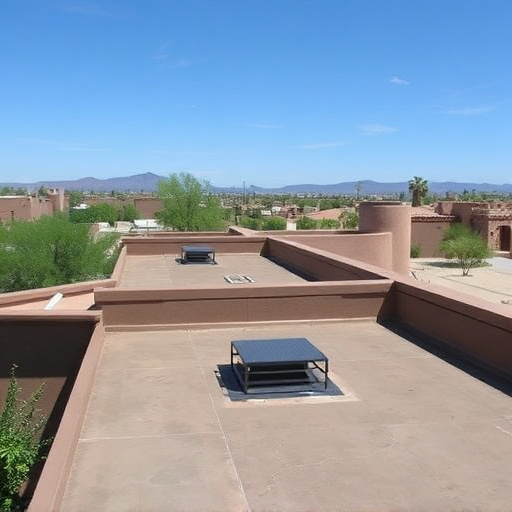
In the sun-drenched skies of Tucson, a roof inspection goes beyond a quick glance. Understanding how the area's intense sun, heat, and UV exposure impact your roof is crucial, especially when considering a purchase. A roof inspection before buying a home in Tucson should examine these factors, as they significantly affect a roof's longevity.
The problem lies in the rapid deterioration that can occur due to these environmental conditions. From the unique local weather patterns to the extreme seasonal changes, a roof's performance is put to the test. A comprehensive inspection must account for these challenges, examining the roof's structure, underlayment, and protective coatings for signs of strain.
This article provides expert insights into navigating these challenges, ensuring a thorough roof inspection that considers Tucson's unique environment, leading to a well-informed purchase decision.
- Understanding Tucson's Unique Roof Inspection Challenges
- Assessing Sun, Heat, and UV Damage During the Inspection
- Pre-Purchase: How Sun Impacts Roof Condition Evaluation
Understanding Tucson's Unique Roof Inspection Challenges
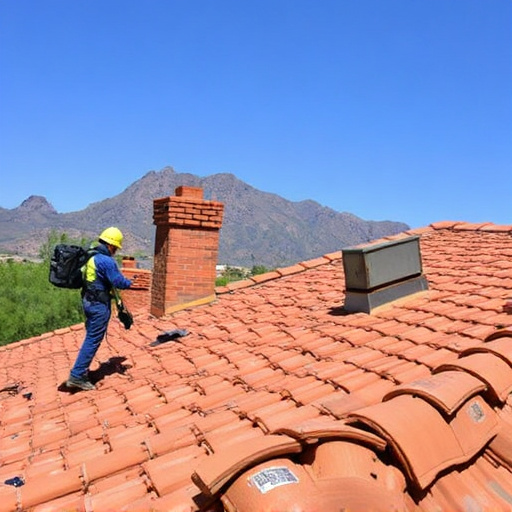
Tucson's unique climate presents specific challenges during a roof inspection. The region's intense sun, high heat, and UV exposure can accelerate the deterioration of roofing materials, making it crucial to consider these factors when purchasing a home. During a roof inspection before buying, look for signs of sun damage, such as faded or discolored shingles, which may indicate poor quality or early wear. DC Roofing of Arizona, a local Tucson roofing contractor, often encounters shingles cracked or curled from prolonged exposure to the intense desert sun.
Drone photos are an invaluable tool in these inspections, allowing a thorough examination of the roof's condition from multiple angles, especially in hard-to-reach areas. They can also help identify issues like missing or damaged scuppers (drainage channels), which can lead to water damage and mold growth. In the summer heat, it's essential to check for proper ventilation and cooling systems, as well as evidence of previous repairs, to assess the remaining roof life. A close look at the underlayment-the layer between the shingles and the roof deck-may reveal signs of moisture, indicating potential leaks.
Understanding the impact of local weather patterns is key. Pre-monsoon inspections are crucial, as heavy rainfall can expose weaknesses in the roofing. After hail or wind storms, a thorough assessment is necessary to identify any damage that could compromise the roof's integrity. Historic homes require special attention, as their unique construction methods and materials may necessitate specialized inspection techniques and materials. When negotiating the results of an inspection, particularly after a dust storm, remember that a professional roof inspector's expertise can provide invaluable insights into the home's true condition.
Assessing Sun, Heat, and UV Damage During the Inspection

When assessing a roof in the scorching Arizona sun, a licensed Arizona roofer understands that heat and UV exposure play significant roles in a structure's overall health. During a roof inspection before buying, especially in areas like Vail, these factors become critical considerations. The relentless desert sun can accelerate the deterioration of roofing materials, exposing weaknesses that could lead to costly repairs.
Inspectors look for signs of sun-related damage, such as faded or blistered shingles, which might indicate weakened or damaged underlayment. UV exposure can cause the flashings, those critical seals around chimneys and vents, to crack and become ineffective. This is a common issue in commercial roof inspections, where large areas of exposed roofing are more vulnerable. A thorough assessment includes checking these flashings for integrity and proper sealing, as they're essential in preventing leaks.
The heat itself can cause a range of issues. During a pre-monsoon inspection, inspectors may note the potential for heat-related problems like curled or missing shingles. In areas with high temperatures and low humidity, like Tucson, roofs can be particularly susceptible to these effects. A roof certification process, whether for a sale or insurance renewal, should account for these factors to ensure a comprehensive evaluation. To predict a roof's remaining life, inspectors consider climate patterns, including UV exposure, as they can significantly impact a roof's longevity.
Pre-Purchase: How Sun Impacts Roof Condition Evaluation
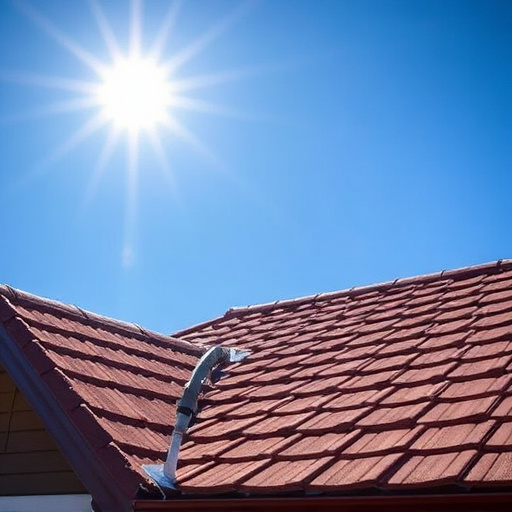
When considering a pre-purchase roof inspection in Tucson, the intense sun, heat, and UV exposure play a significant role in determining a roof's condition. Unlike other regions, these environmental factors can accelerate the aging process of roofing materials, making a thorough inspection even more crucial. An experienced Tucson roof inspector will pay close attention to these elements during the assessment, as they can significantly impact the overall health and remaining life of a roof.
The sun's powerful rays can cause various issues, such as sun-induced degradation, where UV radiation breaks down the chemical bonds in shingles, leading to cracking, curling, and early disintegration. In areas like Vail, where summer temperatures regularly surpass 100F, this effect can be exacerbated. An inspector will visually inspect for these signs, checking for uniform discoloration, which might indicate a need for premature replacement. They'll examine roof penetrations-places where pipes, vents, or antennas pass through-as these areas are particularly vulnerable to sun damage and require extra protection.
A detailed inspection report will include notes on the roof's age, material type, and any signs of sun-related damage. An inspector might highlight the presence of missing or damaged shingles, exposed underlayment, or deteriorated flashing, all of which could be red flags for potential buyers. By understanding these factors, buyers can make informed decisions, ensuring they're not inheriting a roof in need of costly repairs or premature replacement. This proactive approach can save significant time and money in the long run, especially in a climate as demanding as Tucson's.
Frequently Asked Questions About an explainer on how sun, heat and UV exposure in Tucson show up during a roof inspection
What are the unique challenges of roof inspections in Tucson due to sun, heat, and UV exposure? Tucson's climate presents specific challenges for roof inspections. The intense sun and high heat can accelerate material degradation, especially with asphalt shingles, which may show signs of drying out and cracking. UV exposure can weaken the adhesive that holds shingles in place, leading to loose or missing shingles over time. Inspectors look for these signs, as well as potential sun-related damage to metal roofing and other materials.
How does heat affect the condition of a roof during an inspection? Heat is a significant factor in roof inspections in Tucson. Prolonged exposure to high temperatures can cause materials like asphalt shingles to become brittle and break down faster. This can result in more frequent repairs and replacements. Inspectors assess heat-related damage, such as cracked or missing shingles, and look for signs of heat buildup in the roof's underlayment, which could indicate poor ventilation.
Can UV exposure be identified during a routine roof inspection? Absolutely. UV exposure is a critical factor in roof deterioration, often leading to the premature failure of shingles. During inspections, professionals look for signs of UV damage, such as discoloration, loss of granulation (the small granules on shingles), and loose or missing shingles. These indicators can help determine the overall health of the roof and plan for necessary repairs or replacements.
What are some signs of UV damage that roof inspectors look for? Inspectors scrutinize roofs for several signs of UV exposure. These include uneven color changes in shingles, often with lighter spots where UV radiation has bleached the material. Granules may become loose and easily dislodged, indicating the top layer of the shingle is wearing away. In severe cases, shingles may curl or become brittle, requiring immediate attention to avoid further damage.
How does the heat and UV in Tucson affect the lifespan of a roof? The extreme heat and UV exposure in Tucson can significantly impact a roof's lifespan. Metal roofing, though more durable, still faces challenges from UV radiation, which can lead to corrosion and discoloration over time. Regular inspections are crucial to identify and mitigate these issues early.
A thorough roof inspection before buying in Tucson is crucial due to the region's unique sun, heat, and UV exposure. Understanding these factors allows inspectors to assess roof condition accurately, identifying damage such as solar-induced degradation, early-stage leaks, and potential structural issues. Knowing these challenges beforehand empowers homebuyers to make informed decisions and negotiate effectively. The intense summer heat necessitates inspections that account for moisture detection, tile underlayment integrity, and foam roof coating performance. Embracing best practices, such as drone vs. Walk-on inspections, can further enhance the efficiency and effectiveness of these assessments. By heeding these insights, Tucson residents can ensure their roof inspections are comprehensive, yielding a clearer picture of their property's remaining roof life and facilitating smoother transactions.
In intense Tucson sun, heat, and UV exposure accelerate roofing material deterioration, making roof inspection before buying critical. Inspectors look for sun damage like faded or discolored shingles and check for proper ventilation, as summer heat can expose weaknesses. Drone photos aid in assessing hard-to-reach areas, while examining underlayment can reveal moisture issues. Pre-monsoon and post-storm inspections are vital to identify potential damage from heavy rainfall and hail/wind. Historic homes may require specialized inspection techniques due to unique construction and materials. An expert roof inspector's insights are invaluable in understanding a home's true condition, especially in demanding climates like Tucson's.