In the arid climate of Tucson, Arizona, your roof stands as a critical line of defense against the elements. Commercial roof inspections are essential for ensuring not only the structural integrity of your property but also for facilitating seamless insurance claims and policy renewals. However, navigating the complex process of roof inspections can be daunting. This article provides expert guidance on what a commercial roof inspection includes, how often to conduct them, and the key aspects insurers and property owners should focus on. By the end, you'll be equipped to make informed decisions regarding your roof's maintenance and protection, ensuring a secure and efficient process for policy renewals.
- Understanding Arizona's Commercial Roof Inspection Requirements
- The Step-by-Step Guide to Effective Roof Damage Assessment
- Maximizing Insurance Claims with Detailed Inspection Reports
Understanding Arizona's Commercial Roof Inspection Requirements
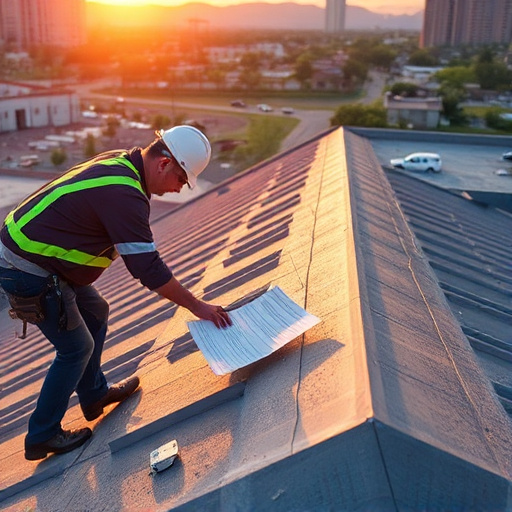
Commercial roof inspections in Arizona, particularly in areas like Vail, are crucial for property owners and managers to ensure the structural integrity and safety of their buildings. These inspections are not just a legal requirement for policy renewals and insurance claims but also a proactive step to prevent costly damage. According to the Tucson Professional Roofers Association, a licensed Arizona roofer with an ROC license should conduct these assessments, adhering to both local building codes and industry best practices.
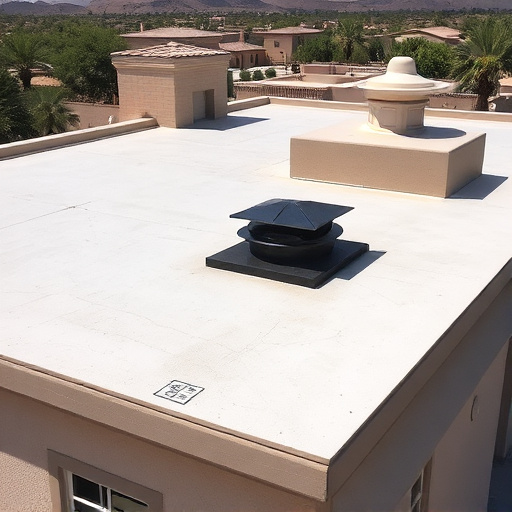
In Arizona, commercial roofs are subject to unique challenges, from intense sunlight and high temperatures during the summer to the potential for extreme weather events like dust storms and monsoon seasons. An expert inspector will look for signs of wear and tear, including damaged or missing vents, which are essential for ventilation and cooling. Proper venting is a critical component of any commercial roof inspection report 1-3 (depending on the complexity of the roof) as it directly impacts the overall performance and longevity of the roofing system. Blocked or improperly installed vents can lead to excessive heat buildup, causing the roof to deteriorate faster.
The inspection process involves a thorough examination of the roof's underlayment, which acts as a secondary barrier against water intrusion. This includes checking for tile underlayment integrity and ensuring there is no moisture buildup, a common issue in arid climates. A detailed inspection report will outline these findings, highlighting areas of concern and potential risks. Property managers are advised to receive these reports regularly, especially before policy renewals or when applying for insurance claims, to streamline the process and ensure fair compensation for necessary repairs or replacements.
The Step-by-Step Guide to Effective Roof Damage Assessment
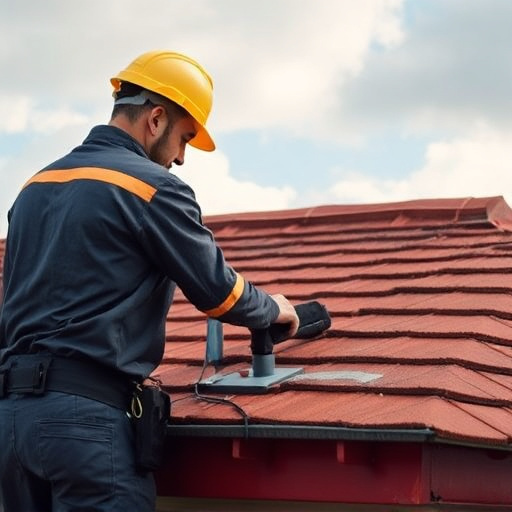
When assessing commercial roof damage for insurance claims or policy renewals, a thorough and systematic approach is crucial. An experienced Tucson roof inspector will start by examining the roof's overall condition, looking for signs of wear and tear, such as missing or damaged shingles, flashing, or underlayment. This initial visual inspection is key to understanding the scope of the damage and identifying potential problem areas.
Consider a roof exposed to intense UV rays from the Arizona sun. Over time, this can lead to degradation of the roofing material, causing cracks, blisters, or delaminations. An inspector should be able to identify these signs of UV damage, which may not be immediately apparent to an untrained eye. They'll check for proper drainage systems, ensuring no clogs or obstructions that could lead to water damage. This includes inspecting gutters, downspouts, and any roof drains to ensure they are clear and functioning correctly.
As the assessment progresses, the inspector examines deeper, examining the structure's underlayment-the layer between the roof deck and the outer covering. This is crucial as the underlayment matters in protecting the roof against water intrusion and providing an additional barrier against extreme weather. Signs of moisture, mold, or rot in the underlayment can indicate significant damage and may require immediate attention. An inspector might notice water stains or a musty odor, indicating a potential leak that needs to be addressed.
A commercial roof inspection should include a detailed look at the roof's coating, especially in areas prone to extreme temperatures. UV-protected coatings can prevent heat absorption, reducing the risk of thermal damage. An inspector will check for any signs of coating failure, peeling, or blistering, which could impact the roof's remaining lifespan. In a region like Vail, where seasonal temperature fluctuations are significant, these inspections become even more critical to ensuring the longevity of the roof.
Maximizing Insurance Claims with Detailed Inspection Reports

When preparing a commercial roof inspection report for an insurance claim or policy renewal in Arizona, the detail and comprehensiveness of your report can significantly impact the outcome of your claim. A thorough inspection report not only supports your assessment of the roof's condition but also showcases your professionalism and expertise. This is especially crucial in a state like Arizona where varying weather patterns, including monsoons and dust storms, can accelerate roof deterioration.
A detailed inspection report should include a comprehensive assessment of the roof's structure, materials, and systems. This means meticulously checking for moisture intrusion, looking for signs of damage from recent weather events, and examining the condition of the underlayment and roof coating. In commercial properties, the report should include a detailed analysis of the flat roof drainage system, ensuring it is functioning optimally to prevent water damage. Using a moisture meter can also be beneficial in identifying subtle signs of water penetration, which are often invisible to the naked eye but critical for insurance companies to understand.
Your report should document the remaining life expectancy of the roof, which is a critical component for homeowners and businesses planning for future expenses. This estimate should be based on industry best practices, local weather patterns, and the specific materials used in the roof's construction. For historic homes, the report should also include specialized considerations, such as the unique materials and techniques used in their construction. Remember, the more comprehensive and transparent your inspection report, the smoother the process for all parties involved, including a licensed Arizona roofer like DC Roofing of Arizona, who can provide expert insights and support throughout the claim or renewal process.
When negotiating with the insurance company based on your inspection report, be prepared to answer questions about your findings. An experienced roof inspector can anticipate common questions and provide clear, concise explanations to ensure the insurance company understands the necessity of any recommended repairs or replacements. This expert perspective is invaluable, as it can help streamline the claims process and potentially reduce out-of-pocket expenses for the policyholder, whether they are selling their home or renewing their policy for another year.
Frequently Asked Questions About guidance on roof inspections for insurance claims and policy renewals in Arizona
What is the purpose of a roof inspection for insurance claims in Arizona?
Roof inspections are crucial for insurance claims in Arizona because they provide an accurate assessment of a property's condition. Insurers require these inspections to verify damage and determine the scope of repairs covered under a policy. A thorough inspection helps streamline the claims process, ensuring fair compensation for policyholders and minimizing fraud.
How often should a roof be inspected for policy renewals?
While there's no one-size-fits-all rule, a qualified roofer recommends inspecting roofs every two to three years, especially in Arizona's harsh climate. Regular inspections can help identify minor issues before they turn into major, costly repairs. This proactive approach can also provide valuable data for policyholders when renewing their insurance coverage.
What documentation is required for a roof inspection claim?
For a successful insurance claim, document all damage with clear photos and descriptions. Keep records of the inspection, including the inspector's name, date, and the findings. In Arizona, some insurance companies may require a licensed roofer to perform the inspection. Ensure all documentation is organized and readily available when filing a claim.
Can I perform a roof inspection myself for insurance purposes?
While DIY inspections can be helpful, they may not meet insurance company standards. Arizona law requires licensed roofers to perform inspections for insurance claims. A professional inspection ensures a thorough, unbiased assessment, protecting your interests and the integrity of your claim.
What should I look for during a roof inspection for insurance?
During an inspection, look for signs of damage like missing shingles, leaks, or discolored areas. Check for proper drainage and the condition of flashing and vents. Inspectors also assess the overall structure, age, and quality of the roof. Documenting these observations is essential for supporting your insurance claim.
A thorough commercial roof inspection is a cornerstone of maintaining and protecting your Arizona property. By understanding the local building codes and engaging a licensed roofer like DC Roofing of Arizona, you can ensure compliance with Tucson's stringent requirements. The step-by-step assessment process detailed in this article equips property owners and managers to identify even subtle roof damage, whether from pre-monsoon storms, hail, or the relentless summer heat. Maximizing insurance claims through detailed, accurate reports can significantly reduce out-of-pocket expenses and expedite policy renewals. Regular inspections, such as those conducted after swamp cooler removal or after a roof repair, can extend the remaining roof life, providing peace of mind for both homeowners and tenants. Therefore, integrating these practices into your property management strategy is not just advisable, but essential for safeguarding your investment.
Commercial roof inspections in Arizona, mandated for policy renewals and insurance claims, are vital for property owners and managers. Licensed Arizona roofers, adhering to local building codes and industry standards, should conduct these assessments, focusing on ventilation, water intrusion prevention, and wear and tear.
Key aspects include:
- Ventilation: Proper venting, crucial for roof performance, prevents heat buildup and delays deterioration.
- Water Intrusion Prevention: Examining underlayment integrity, moisture buildup, and drainage systems is essential, especially in arid climates.
- Wear and Tear: Inspecting for missing or damaged shingles, flashing, and underlayment identifies problem areas.
- Comprehensive Reporting: Detailed reports, including moisture meter readings, estimate roof lifespan, and document repair needs, support claims and policy renewals.
- Expert Insights: During negotiations with insurance companies, experienced inspectors provide clear explanations, streamlining claims and reducing costs.