In the harsh desert climate of Tucson, the sun's unforgiving rays, intense heat, and damaging UV exposure put roofs under significant strain. A routine roof inspection becomes a critical task to ensure the structural integrity and longevity of your home or business. The problem lies in how these environmental factors can mask potential issues, from weakened tile underlayment to hidden moisture problems. This article guides you through the essential elements of a comprehensive roof inspection in Tucson, highlighting the unique challenges posed by the local climate and offering insights to help you make informed decisions about your roof's health and future repairs. By the end, you'll understand why these inspections are vital and how they can protect your investment.
- Understanding Tucson's Unique Roof Challenges
- Evaluating Tile Underlayment: Key Inspection Points
- Sun, Heat, and UV: Protecting Your Roof Long-Term
Understanding Tucson's Unique Roof Challenges
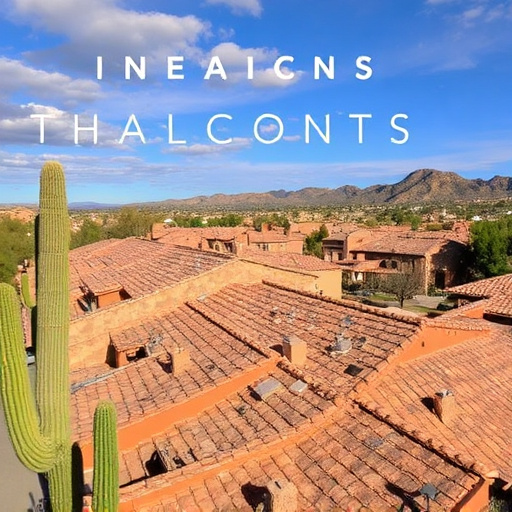
Tucson's unique climate poses specific challenges for homeowners for roof inspections. The intense sun and heat, coupled with the region's high UV exposure, can accelerate the aging process of roofing materials. This is particularly true for tile roofs, a common choice in the area. During a roof inspection, these factors should be top of mind.
One crucial aspect to scrutinize is the tile underlayment inspection. In Tucson's climate, underlayments, which are the protective layers beneath the tiles, can degrade faster due to sun-induced moisture absorption and thermal expansion. Cracked or deteriorated underlayments can lead to leaks and serious structural damage. Inspectors should look for signs of crumbling, blistering, or separation from the roof deck, especially in areas exposed to direct sunlight and during the intense monsoon season.
The extreme heat can cause tiles to become brittle, leading to cracks and loose shingles, particularly around the edges and in areas prone to wind. These defects might be more apparent after a dust storm, when the contrast between the clean, dusty tiles and the brighter, less-affected areas becomes evident. A comprehensive inspection should include a close look at the overall condition of the tiles, checking for any signs of cracking, cupping, or warping.
Homeowners should be aware that a roof inspection in Tucson goes beyond a visual assessment. It involves a thorough understanding of local building codes and weather patterns to ensure the roof is in optimal condition. A local Tucson roofing company might recommend more frequent inspections due to these unique challenges, especially when considering the potential impact on home warranty claims and insurance renewals.
Evaluating Tile Underlayment: Key Inspection Points
Tucson's sun-drenched climate presents unique challenges for roof inspections, especially when evaluating tile underlayment. This region's intense heat and UV exposure can accelerate the aging process of roofing materials, making a thorough inspection crucial, especially for potential buyers or when preparing for insurance renewals. During a pre-monsoon or post-storm inspection, a licensed Arizona roofer will carefully assess several key points to ensure the underlayment's integrity and longevity.
Tile underlayment, often overlooked, matters in protecting the roof structure. It acts as a secondary barrier against moisture intrusion, preventing water from seeping through cracks or gaps. During the inspection, the roofer will visually examine the underlayment for any signs of damage, such as cracks, curls, or separation from the sheathing. They will also check for proper installation, ensuring the underlayment covers the entire roof area and is securely fastened. In Tucson, where extreme heat can cause materials to shrink or warp, a meticulous check for roof penetrations-points where the underlayment meets the roof deck-is essential. These areas are vulnerable to leaks, and their integrity is critical for the entire system's performance.
An expert roofer will also consider the type of tile used and its compatibility with the local climate. In this region, where sun exposure is significant, a professional may recommend specific types of underlayment designed to reflect UV radiation and reduce heat absorption. This step is vital for extending the roof's remaining life estimate and ensuring the structure's overall durability. After the inspection, a detailed report will outline the findings, allowing property owners and insurance companies to make informed decisions. If issues are discovered, the report can guide the necessary repairs, whether it's a simple re-sealing or a full underlayment replacement.
Sun, Heat, and UV: Protecting Your Roof Long-Term
The sun-drenched skies and scorching heat of Tucson present unique challenges for maintaining your metal roof. Beyond the visual impact, intense sun, heat, and UV exposure can significantly accelerate wear and tear, compromising the integrity of your roof over time. A thorough roof inspection in this environment goes beyond checking for missing shingles; it involves a keen eye for signs of stress caused by the region's climate.
One crucial aspect is the tile underlayment inspection. Just as a car's engine needs regular oil changes, your roof's underlayment requires periodic assessment. DC Roofing of Arizona, a licensed Oro Valley area roofing contractor, recommends inspecting the underlayment for cracks, tears, or moisture buildup. Cracked tiles, often a result of prolonged sun exposure, can expose the underlayment to the elements, leading to leaks and extensive damage. Monsoon season exacerbates these issues, with sudden storms bringing intense rain that can further stress already weakened materials.
As your roof ages, you may also notice ceiling stains that signal water intrusion. These stains, often caused by leaks originating from damaged shingles or flashing, are not just unsightly; they indicate a more serious problem. A roof inspector will investigate these stains, checking for their source and extent of the damage. A damaged tile might have allowed water to seep through, leading to a stained ceiling below. Understanding these patterns helps in making informed decisions about repairs or replacements.
In the summer heat, it's essential to look for signs of heat-related damage. Expanding and contracting metal due to extreme temperatures can cause seams to loosen or panels to warp. A skilled inspector will check for these signs, ensuring your roof remains secure and structurally sound. Remember, a proactive approach to roof maintenance in Tucson's climate is key. Regular inspections, including tile underlayment inspection and evaluation of potential ceiling stains, will help protect your investment and ensure your home stays protected from the elements for years to come.
Frequently Asked Questions About an explainer on how sun, heat and UV exposure in Tucson show up during a roof inspection
What are the unique challenges posed by Tucson's climate during a roof inspection?
Tucson's intense sun, heat, and UV exposure can significantly impact a metal roof's performance and appearance. High temperatures accelerate metal expansion and contraction, potentially leading to loose connections and dents. UV radiation breaks down the protective coating on metal, exposing the base material to oxidation and corrosion. Regular inspection is crucial to identify these issues early, ensuring the roof's longevity.
How can a homeowner prepare for a roof inspection in Tucson's climate?
Before the inspection, homeowners should sweep the roof clear of debris, including leaves and branches, to prevent blockages that could lead to water damage. Inspect the roof for visible signs of damage, such as dents, rust, or missing fasteners. Keeping the area around the roof's perimeter clear provides better access for the inspector and facilitates a thorough examination.
What specific signs of damage should homeowners look for during Tucson's hot months?
During hot months, look for signs of:
- Loose or missing shingles or metal panels: Heat expansion and contraction can cause panels to loosen.
- Rust or corrosion: Inspect metal components, fastening hardware, and drains for signs of rusting, a clear indicator of water damage and metal deterioration.
- Cracked or blistered coatings: UV radiation breaks down protective coatings, leading to cracks and blisters.
- Dents or deformations: Even minor dents can compromise the structural integrity of a metal roof.
When should a homeowner consider replacing their metal roof in Tucson due to climate exposure?
If your metal roof exhibits significant damage, such as widespread rust, multiple missing or loose panels, or extensive coating failure, it may be time for replacement. A licensed roofer, like DC Roofing of Arizona, can assess the extent of the damage and recommend the best course of action.
Can regular maintenance help prolong the life of a metal roof in Tucson?
Absolutely. Regular cleaning, inspections, and minor repairs can significantly extend the lifespan of a metal roof. A licensed roofing contractor can develop a maintenance plan tailored to Tucson's unique climate conditions.
As we've explored the unique roof challenges of Tucson, evaluating tile underlayment, and understanding the impact of sun, heat, and UV exposure, one clear takeaway emerges: a thorough roof inspection is paramount for maintaining your home's protection and longevity. By focusing on these key areas, you can ensure your roof remains robust against the harsh Arizona climate. Remember, a professional inspection, including a detailed tile underlayment check, is essential before purchasing a home, after severe weather events, or during insurance renewals. Regularly addressing these factors not only protects your investment but also saves you from costly repairs down the line. Armed with this knowledge, you're better equipped to negotiate inspection results, understand industry best practices, and make informed decisions about your roof's health and future.
Tucson's intense sun and heat accelerate roofing material aging, requiring proactive inspections. Key areas include tile underlayment, checking for degradation, cracks, or separation. Inspectors should also look for ceiling stains, signs of heat-related damage, and proper underlayment installation. Regular inspections, especially during monsoon season, protect against leaks, structural damage, and extend roof life. A licensed roofer's expert eye ensures your Oro Valley roof remains secure and durable.