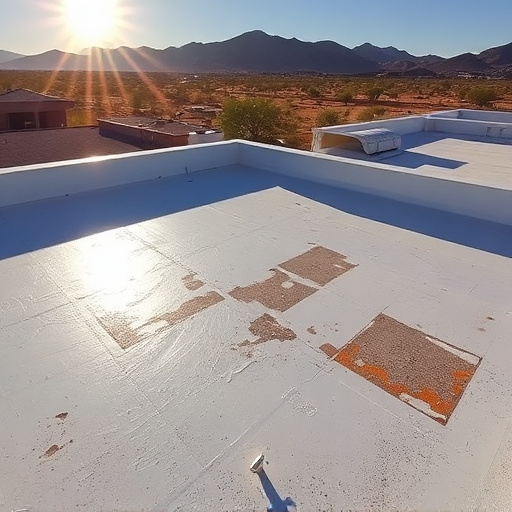
In Tucson, the intense sun, scorching heat, and relentless UV exposure can be both a blessing and a curse for your roof. On one hand, these conditions accelerate the aging process of roofing materials, making thorough roof inspections crucial for maintaining your home's safety and value. On the other hand, they can also highlight potential issues, such as weakened tile underlayment or other vulnerabilities. Understanding how to assess these factors during a monsoon season roof inspection is vital, especially when considering a sale or preparing for insurance renewal. By learning to identify signs of wear and tear specific to Tucson's climate, you'll make informed decisions and protect your investment. This article provides expert insights into navigating these challenges, ensuring a comprehensive inspection that captures the unique demands of the local climate.
- Understanding Tucson's Unique Roof Challenges
- Assessing Tile Underlayment Integrity
- Optimizing Roof Protection with UV Exposure Data
Understanding Tucson's Unique Roof Challenges

Tucson's unique climate presents distinct challenges for roof inspections. The intense sun and heat, combined with high UV exposure, can accelerate the deterioration of roofing materials. During a thorough roof inspection in this region, experts like DC Roofing of Arizona pay close attention to signs of these environmental factors.
One crucial aspect to scrutinize is the condition of the tile underlayment. In Tucson's harsh conditions, UV damage can weaken the integrity of shingles, leading to premature wear and tear. Over time, this can result in cracks, flaking, or even the loss of granules on the surface of the shingles. Inspectors will look for signs of coating wear, particularly in roof valleys, where water can pool and accelerate the aging process. These areas often require extra attention during a pre-monsoon or post-storm inspection to ensure the roof's long-term protection.
The inspection should include a thorough assessment of the roof's drainage system. Proper drainage is essential to prevent water damage, which can be exacerbated by Tucson's intense sunlight. Blocked gutters or downspouts, common issues after heavy monsoon rains, can lead to water pooling on the roof, potentially causing leaks or damage to the underlayment and tiles.
A professional roofer, especially one familiar with the local climate, will also consider the roof's overall age and the remaining lifespan of the materials. Some roofing materials are more resistant to UV damage, and understanding these variations can help property owners make informed decisions about repairs or replacements, ensuring the roof is ready to withstand the area's unique environmental challenges.
Assessing Tile Underlayment Integrity

The intense sun, scorching heat, and powerful UV exposure characteristic of Tucson's monsoon season can significantly impact a roof's condition, with one of the most crucial aspects to assess during a roof inspection being the tile underlayment. This component, often overlooked, matters in protecting your home from the elements. A licensed Arizona roofer will meticulously examine the underlayment to ensure it's in sound condition, as damage or degradation can lead to serious problems, such as leaks, increased energy loss, and even structural damage.
During a thorough inspection, the roofer will look for signs of cracking, tearing, or curling in the underlayment. These issues can occur due to extreme heat, which causes the tiles to expand and contract, putting stress on the supporting structure. The inspector will check for proper ventilation. Adequate ventilation is essential to prevent the buildup of heat and moisture, which can lead to mold and mildew growth, and to ensure the underlayment doesn't become a fire hazard. Venting also helps to maintain the overall integrity of the roof by regulating temperatures and reducing stress on the tiles.
Another critical aspect of the tile underlayment inspection is the assessment of any ponding water. Even minimal accumulations can indicate poor drainage, which, left unaddressed, can result in serious damage to the underlayment and the roof structure. The roofer will use specialized tools to detect moisture and may recommend additional measures to improve drainage, such as installing roof vents or enhancing the existing drainage system. A Tucson Professional Roofers Association member might suggest adding roof vents to facilitate air flow and reduce heat buildup, a key factor in prolonging the life of the underlayment.
After the inspection, the roofer will include detailed findings in the inspection report, allowing you to make informed decisions about any necessary repairs or replacements. Regular inspections, especially before monsoon season, are key to maintaining a healthy and secure roof, ensuring that any issues are identified and resolved before they become costly problems.
Optimizing Roof Protection with UV Exposure Data

The sun's relentless heat and intense ultraviolet (UV) exposure in Tucson during monsoon season present unique challenges for roof inspections. Beyond visually inspecting for cracked tiles, DC Roofing of Arizona, a licensed Tucson roofing contractor, emphasizes the importance of understanding how these environmental factors impact your roof's overall health, especially for the crucial tile underlayment inspection.
Drone photos have become an invaluable tool in roof assessments, allowing inspectors to capture detailed aerial views. This is particularly beneficial in identifying potential issues that might go unnoticed from ground level, such as loose or damaged tiles exposed by heat-related expansion and contraction. In a region where temperatures regularly soar above 100F, these stresses can accelerate the deterioration of roofing materials, making regular inspections critical. Attic spaces, often overlooked, can become breeding grounds for moisture and mold if inadequate ventilation is present, a problem that may only surface during intense heatwaves.
During a pre-monsoon roof inspection, professionals like Tucson Professional Roofers Association members look for signs of weakened tile underlayments, where UV rays have broken down the adhesive over time. This is especially true for older homes with mobile home roofs, which may have unique vulnerabilities. In historic homes, inspectors may need to adapt their approach, considering the specific materials and construction techniques used in the original build. After a major storm or even a minor dust storm, a thorough check for damage is essential, as strong winds and debris can expose hidden weaknesses. For rental properties, regular inspections are crucial not only for maintenance but also for protecting the investment, ensuring any issues are addressed before they escalate.
By combining drone photography with meticulous on-site evaluations, including attic and ceiling checks, roof specialists can provide a comprehensive assessment. This data allows for informed decisions about repairs, replacements, and preventative measures. If an inspection reveals a high remaining roof life estimate, homeowners may opt for routine maintenance to ensure longevity. Conversely, severe damage from cracked tiles or underlayment issues may necessitate immediate attention and possibly a full roof replacement, a costly but necessary investment in Tucson's challenging climate conditions.
Frequently Asked Questions About an Explainer on How Sun, Heat, and UV Exposure in Tucson Show Up During a Roof Inspection
What are the unique challenges of roof inspections during Tucson's monsoon season?
Tucson's monsoon season brings intense sun, high heat, and UV exposure, all of which can accelerate roof deterioration. The constant humidity and rain can make inspections more challenging, as water can obscure damage. Inspectors must be extra vigilant, using specialized equipment to detect moisture issues and hidden problems like mold growth. Regular, thorough inspections are crucial during monsoon season to ensure your roof remains in top condition.
How does intense sun exposure during the Tucson summer affect roofs?
Direct, intense sunlight can break down roof materials faster, leading to premature aging and damage. In Tucson, this effect is heightened due to the region's strong UV radiation. Over time, this can result in cracks, peeling, and discoloration in shingles, underlayment, and other roofing components. Inspectors look for signs of sun-related damage, such as excessive granule loss in shingles, which can indicate exposure to harsh UV rays.
What role does heat play in a roof inspection in Tucson?
Tucson's scorching summers create extreme heat conditions that can impact roofs in several ways. High temperatures can cause materials to expand and contract, leading to potential leaks and loose connections. Heat-related issues may include warped shingles, damaged flashing, or weakened seals. Inspectors must consider these heat-related factors to ensure the roof's integrity, particularly around vents and chimneys.
Are there specific UV protection measures for roofs in Tucson?
Yes, choosing roofing materials with UV protection is essential in Tucson. Reflective or white shingles, for instance, can reflect sunlight, reducing heat absorption and UV damage. Applying UV protective coatings to existing roofs can extend their lifespan by shielding them from intense Arizona sun. These measures are key components of a thorough roof inspection in our region.
How can a homeowner prepare for a roof inspection during monsoon season?
Before a roof inspection during monsoon, homeowners should clear debris from gutters and downspouts to prevent water damage. They should also ensure easy access to the roof for inspectors. Regular maintenance, including checking for loose or damaged shingles, can provide valuable insights for inspectors. Being prepared allows for a smoother inspection process and helps identify potential issues promptly.
As Tucson's unique climate presents specific challenges for roof integrity, understanding how the sun, heat, and UV exposure affect your roof is crucial. This article has explored the key aspects of a roof inspection in this environment, highlighting the importance of assessing tile underlayment integrity, a critical component often overlooked. By optimizing roof protection with UV exposure data, homeowners and contractors can make informed decisions.
The key takeaway is that a thorough roof inspection in Tucson should always include a detailed tile underlayment inspection, as it matters in protecting against leaks and moisture damage, especially during the intense summer heat. By utilizing these insights, residents can ensure their roofs are in top condition, mitigate potential issues, and extend the remaining roof life, benefiting from both peace of mind and significant cost savings.
In Tucson's monsoon season, intense sun and heat accelerate roofing material degradation. A crucial, often-overlooked aspect of roof inspections is the tile underlayment inspection. A licensed roofer scrutinizes the underlayment for UV damage, cracks, tearing, and curling. They also assess drainage, ventilation, and moisture levels to prevent leaks and mold. Regular inspections, especially pre-monsoon, are vital for maintaining a secure roof and protecting against costly damage.