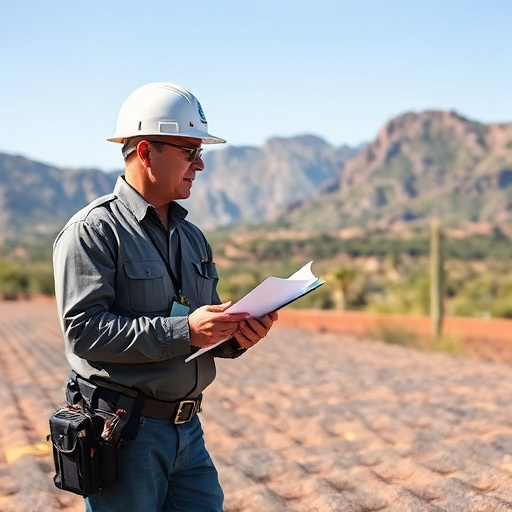
Tucson homeowners often overlook the roof as a critical component of their property's health, until it's too late. A professional roof inspection, however, is an essential, preventive measure that can protect your investment and ensure the safety of your family. This guide aims to demystify the process, focusing on what a comprehensive, expert inspection covers, especially for mobile home owners in our unique desert climate.
The importance of a thorough roof assessment cannot be overstated, especially in inspection includes Tucson, where varying weather patterns, including monsoons and dust storms, can take a toll. We'll explore the key elements of a professional inspection, from tile underlayment checks to moisture detection, and provide insights into navigating the findings for a better-informed decision.
- Understanding the Mobile Home Roof Inspection Process
- Interpreting Common Roof Inspection Findings
- Maintaining Your Tucson Home's Roof After the Inspection
Understanding the Mobile Home Roof Inspection Process
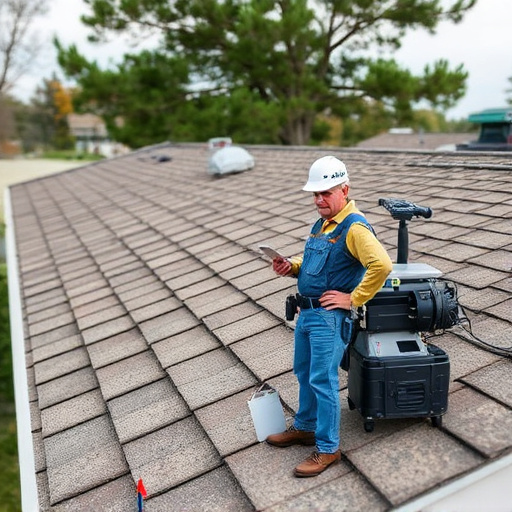
A mobile home roof inspection is a specialized process that requires a different set of eyes compared to a traditional residential roof. In Tucson, where diverse weather patterns can include everything from monsoon rains to occasional dust storms, understanding what a professional inspects is crucial for homeowners. This process involves a detailed examination of the unique features and vulnerabilities of mobile homes, ensuring the roof is in safe condition.
A licensed Tucson roofer with an Arizona ROC license will start with a thorough visual assessment, checking for any signs of damage from wind, hail, or age. They'll inspect the roof's structure, looking for loose or damaged shingles, missing screws, and signs of water damage. This includes examining the scuppers-the drainage channels at the edges of the roof-to ensure they're clear and functional, allowing rainwater to flow away effectively. For mobile homes, which often have a flat or low-sloped roof, the inspector might use drone photos to get a comprehensive view. This technology provides high-resolution images from different angles, aiding in the detection of issues like missing or damaged tiles or underlayment.
Advanced tools like infrared scans can also be employed to detect moisture or heat anomalies. This non-invasive method identifies areas of the roof where water penetration might occur, helping to predict potential leaks. The inspector will also check the condition of the underlayment, a crucial component that provides an extra layer of protection against the elements. By combining these methods, a professional mobile home roof inspection offers a complete picture, allowing homeowners to make informed decisions and, if necessary, negotiate with insurers or sellers based on the findings.
Interpreting Common Roof Inspection Findings
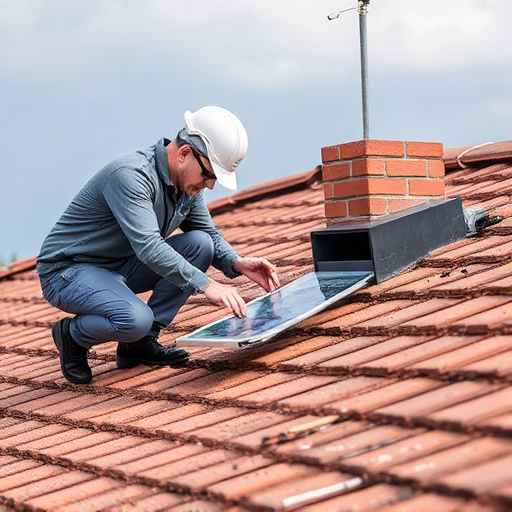
When a professional roof inspector visits your mobile home in Tucson and Oro Valley, they are looking for a variety of signs that can tell the story of your roof's health. An inspection report, for instance, might highlight slipped tiles, a common issue in this region due to strong winds. Cracked tiles are also a red flag, indicating wear and tear that could lead to more serious damage. A thorough inspection will consider not just the shingles but also the underlayment, drainage, and signs of moisture intrusion-all crucial components of your roof's protective system.
The findings can provide a clear picture of your roof's remaining life expectancy, helping you to plan for repairs or replacements. A roofing contractor serving Tucson and Oro Valley might recommend replacing old tiles or underlayment that show signs of decay, preventing further damage from weather patterns common in the area, like intense sun and occasional dust storms. They might also point out areas where drainage is blocked, leading to water buildup and potential leaks, a serious concern in any home but particularly in mobile structures.
Interpretation of these findings is key to maintaining your home's integrity. A good inspection report will detail each observation, allowing you to understand the extent of the work required. A simple repair might be needed for a slipped tile, while a cracked tile might necessitate replacement. Understanding these issues is crucial, as some problems, like poor drainage, can lead to more severe and costly damage over time. Regular inspections, recommended by experts like the Tucson Professional Roofers Association, can help you stay proactive about these issues, ensuring your home remains protected year-round.
Maintaining Your Tucson Home's Roof After the Inspection
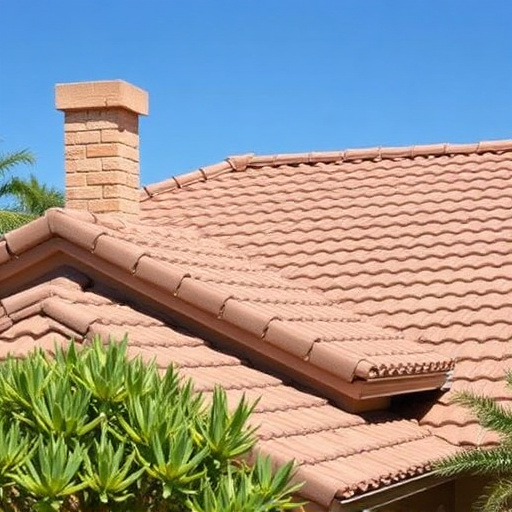
After a professional roof inspection in Tucson, or Marana for that matter, homeowners gain invaluable insights into the health and longevity of their roof. This is especially crucial for mobile home owners, as their roofing systems often require unique attention. The findings from an inspection can guide your next steps, from preventative measures to necessary repairs.
Let's break down what a comprehensive inspection entails and how to maintain your roof after the fact. A skilled roofer with an Arizona ROC license will thoroughly examine your roof, paying close attention to its structure, materials, and underlying systems. They'll look for signs of damage from UV radiation, common in our region's climate, which can weaken shingles and underlayments over time. Moisture meters may be used to check for any leaks or persistent moisture, as these can lead to mold and structural issues. The inspector will assess the condition of the tiles or shingles, the integrity of the flashing (especially around chimneys and vents), and the functionality of the drain systems. They'll also inspect the attic and ceilings for signs of water damage or mold growth, as these can indicate problems with the roof's protection.
Post-inspection, it's essential to act on the findings. If damage is detected, repairs should be made promptly to prevent further issues. A missing or damaged tile on a flat roof could lead to leaks and, ultimately, mold growth in the attic. A qualified roofer can replace these tiles and ensure proper drainage. Regular maintenance, such as cleaning gutters and replacing worn components, should be scheduled based on the inspector's recommendations. Remember, a mobile home roof inspection isn't a one-time event; it's a vital part of maintaining your home's value and ensuring safety.
Frequently Asked Questions About a Practical Guide for Tucson Homeowners on What a Professional Roof Inspection Covers and What the Findings Mean
What is the purpose of a professional roof inspection? A professional roof inspection is a thorough evaluation of your home's roofing system. It aims to identify any defects, damage, or potential issues that could affect the roof's integrity and performance. DC Roofing of Arizona, a licensed Oro Valley area roofing contractor, conducts these inspections to help homeowners make informed decisions about repairs, replacements, or maintenance.
What does a typical roof inspection entail? During a roof inspection, our experienced roofer with an Arizona ROC license will examine the roof structure, flashing, gutters, and shingles or tiles. They look for signs of wear, leaks, mold, or damage from storms or extreme temperatures. The inspection includes a visual assessment and, in some cases, may involve climbing the roof or using drones for a detailed aerial view, ensuring every inch is accounted for.
How often should I have a roof inspection? It's recommended to have a professional roof inspection performed at least once every three to five years. However, if your roof shows signs of damage, such as leaks, missing or damaged shingles, or unusual noise, it's best to schedule an inspection immediately. Regular inspections are crucial, especially in areas prone to severe weather conditions, as they can help prevent costly repairs.
What are some common findings from a roof inspection? Common findings include missing or damaged shingles, flashing issues, leaks, mold or mildew growth, deteriorated wood, and poor gutter function. Our roofer will document these findings, providing you with a detailed report that includes photos and descriptions of the observed problems. This report will help you understand the scope of work required to repair or replace your roof.
What should I do if the inspection reveals problems with my roof? If the inspection reveals issues, our team will prioritize them based on severity. Minor repairs can often be addressed quickly, while more significant problems may require scheduling a follow-up visit for a more in-depth assessment and quote. DC Roofing of Arizona will work with you to develop a plan that fits your budget and ensures your home's roof is in optimal condition.
A professional roof inspection in Tucson, especially for mobile homes, is a crucial step in maintaining your property's value and safety. By understanding what these inspections entail and interpreting the findings, homeowners can make informed decisions about their roof's health and longevity. This process includes assessing the structure's overall condition, checking for damage from local weather patterns and natural events like hail or wind, and examining key components like tile underlayment and foam roof coatings.
The insights gained from these inspections are invaluable. They can reveal moisture issues that may lead to leaks, provide an estimate of the roof's remaining life, and even qualify for home warranty programs or insurance renewals. Homeowners should also be prepared for the frequency of inspections-typically once a year, or more frequently in regions with severe weather-and understand the difference between drone and walk-on inspections.
Moving forward, Tucson homeowners can take practical steps based on the inspection's findings. This may involve repairing or replacing damaged components, adding or upgrading protective coatings, or addressing any issues that could impact the roof's performance in the harsh Arizona climate. Regular maintenance, guided by professional inspections, is key to ensuring your mobile home's roof remains a solid protection against the elements for years to come.
A mobile home roof inspection in Tucson involves a detailed assessment by a licensed roofer who checks for visual damage, structural integrity, and functional systems. This includes examining shingles, underlayment, drainage, and signs of moisture. Advanced tools like drone photos and infrared scans aid in detecting issues. Regular inspections are crucial for maintaining the roof's health, extending its lifespan, and preventing costly damage. Homeowners should act on inspection findings, scheduling repairs and maintenance to ensure their mobile home's roof remains in safe condition.