In the scorching sun of southern Arizona, a roof inspection isn't just a checklist; it's a crucial step in protecting your home or investment property. With the region's unique climate and diverse roofing materials, understanding the process, costs, and timing of a roof inspection can be as complex as the structure itself. Homeowners and buyers often wonder: what exactly does a roof inspection entail? How much will it cost? And what can we expect in terms of timeline and paperwork? This article provides a plain-language guide, answering key questions for anyone navigating the roof inspection process in this region. By the end, you'll be equipped with the knowledge to confidently navigate this essential step.
- Understanding the Roof Inspection Process in Southern Arizona
- Decoding the Costs: What to Expect for Your Roof
- Preparing for Your Inspection: Questions for a Roof Inspector
Understanding the Roof Inspection Process in Southern Arizona
A roof inspection in southern Arizona, whether for insurance renewal or pre-purchase, involves a meticulous process designed to safeguard your home's most critical asset-its roof. Understanding what to expect before, during, and after this evaluation is essential for homeowners, especially in a region prone to extreme weather conditions, including UV damage and occasional dust storms. This guide provides a straightforward look at the key aspects of a roof inspection, empowering you with the knowledge to ask the right questions of potential inspectors.
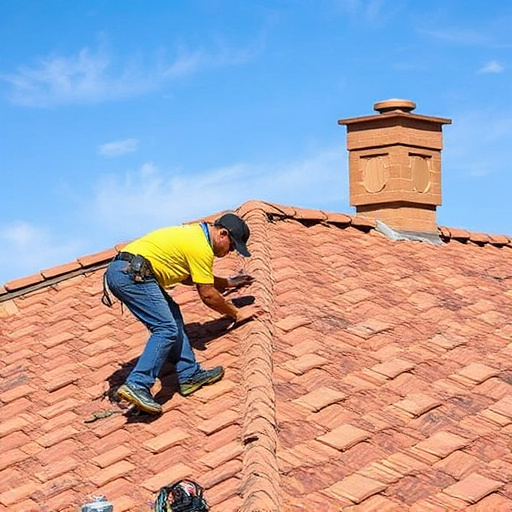
The process typically begins with a thorough exterior examination, where an experienced inspector will assess the overall condition of your roof. They will check for visible signs of wear and tear, such as missing or damaged shingles, flashing issues, and any evidence of leaks. In southern Arizona, where UV radiation can accelerate material degradation, the inspector may also pay close attention to the roof's coating and underlayment for signs of cracking or fading. For older homes or those with historic significance, the inspection may include specialized considerations, such as examining the structural integrity of adobe tile roofs or ensuring the preservation of unique building materials.
As the inspector moves indoors, the focus shifts to the attic and ceiling area. They will check for proper ventilation, signs of water intrusion, and the condition of the ceiling tiles or panels. This step is crucial for identifying potential moisture issues, which can lead to costly interior damage. For commercial properties or rental units, the inspection may examine deeper into the building's overall structural integrity, including the roof's drainage system and the condition of the parapet walls. After completing these detailed assessments, the inspector will compile their findings into a comprehensive report, detailing any issues discovered and offering recommendations for repairs or replacement.
When working with a local Tucson roofing company for an inspection-or any roof-related service-it's essential to ask the right questions. Inquire about their experience in the region's specific weather conditions and the types of roofs they've inspected. Understanding their methodology and the depth of their report can help ensure you receive a thorough and accurate assessment. Remember, a well-informed homeowner is better equipped to navigate the complexities of roof maintenance and replacement, whether it's for insurance purposes or simply to maintain the longevity of your home's protective canopy.
Decoding the Costs: What to Expect for Your Roof
When preparing for a roof inspection in southern Arizona, understanding the cost, timing, and paperwork involved is crucial. The first step is recognizing that the price isn't always a straightforward matter. The cost of a roof inspection in Tucson varies based on the scope of work. A simple visual inspection might cost around $100 to $200, while a more comprehensive assessment, including an infrared scan for hidden moisture, could range from $300 to $500 or more. A licensed Tucson roofing contractor can offer insights into these variations based on the age, type, and condition of your roof.
Next, consider the timing. Most inspections take one to two days, depending on the complexity. After a severe weather event, such as a dust storm or a hail storm, it's best to schedule an inspection promptly. The inspection can help identify any damage, like slipped or cracked tiles, which could lead to more serious problems if left unattended. The inspector will look for these issues during the assessment, which could otherwise go unnoticed.
Paperwork is another important aspect. After the inspection, you'll receive a detailed report outlining the findings. Understanding this report is key to knowing what repairs are needed and what questions to ask a roof inspector. Some companies offer free estimates, while others charge for the inspection and may require payment in advance. It's essential to inquire about these policies up front to avoid any misunderstandings. If your roof is a historic style, the inspector might need to provide specialized knowledge, which could factor into the cost.
Before signing off on repairs, ask the inspector about the expected lifespan of your roof. This information, coupled with the cost and timing, will help you make informed decisions. Remember, the goal is not just to fix immediate issues but also to ensure your roof provides years of reliable protection.
Preparing for Your Inspection: Questions for a Roof Inspector

Preparing for your roof inspection involves asking the right questions to ensure a thorough evaluation. When considering a home sale, insurance renewal, or even a routine check-up, understanding the condition of your roof is crucial. A licensed Arizona roofer can provide valuable insights, but you can actively contribute to the process by being prepared.
Ask your inspector about their experience with local weather patterns and how they factor into roof longevity. Southern Arizona's climate presents unique challenges, including intense sun exposure, wind, and occasional monsoon storms. A knowledgeable inspector will consider these factors when assessing your roof's condition. Inquire about their methodology: do they use drones for a bird's eye view, or do they conduct a detailed, up-close walk-through inspection? Understanding their approach gives you peace of mind.
During the inspection, don't be afraid to inquire about specific aspects of your roof. Ask about the condition of the scuppers (drains), which are vital for preventing water damage. Also, inquire about the underlayment, a crucial layer that protects your roof from moisture. A good inspector will be able to detect signs of damage, wear, or leaks during their assessment, and they should provide you with a detailed report outlining their findings.
Remember, your roof inspection is a crucial step in maintaining your home's value and protecting your investment. Asking thoughtful questions demonstrates your commitment to understanding your roof's condition and ensures you receive a comprehensive evaluation.
Frequently Asked Questions About a Plain Language Look at the Cost, Timing and Paperwork of a Roof Inspection in Southern Arizona
What is the purpose of a roof inspection? A roof inspection is a thorough assessment of your home's roofing system. It helps identify potential issues, from damage caused by storms or aging to signs of wear and tear. A licensed roofer will inspect the roof structure, underlayment, shingles or tiles, flashing, gutters, and venting. This process ensures your home's roof is in good condition and provides valuable information for maintenance or replacement decisions.
How often should a roof inspection be done? In southern Arizona, it's recommended to have a roof inspection at least once a year, especially after severe weather events like thunderstorms or hailstorms. Regular inspections are crucial, as they allow for early detection of problems. A licensed Oro Valley area roofing contractor can provide expert advice on the best inspection frequency based on your roof's age, condition, and local weather patterns.
What is involved in the paperwork for a roof inspection? The inspection process involves filling out a detailed report form. This document includes information about the roof's condition, any defects or damage found, and recommendations for repairs or replacement. The roofer will also provide a written estimate for the work suggested. It's a good idea to review these documents carefully and ask questions if anything is unclear.
How long does a roof inspection typically take? Most roof inspections in the Oro Valley area take one to two days. The exact time depends on the roof's size and complexity. A licensed roofer will carefully examine every part of the roofing system, ensuring a thorough assessment. During this time, homeowners can expect to be notified of any potential issues and provided with clear explanations.
Are there any red flags I should look out for before scheduling an inspection? Absolutely. Some red flags include missing or damaged shingles, visible signs of water damage, peeling or blistered underlayment, and leaks in the attic or ceilings. If you notice any of these, it's crucial to contact a licensed roofer immediately. They can assess the situation and determine if an inspection is necessary.
What happens after the inspection is complete? After the inspection, the roofer will discuss the findings with you. They may recommend repairs, re-roofing, or other solutions. You can then decide on the next steps based on the provided information and estimates. Regular inspections and prompt action help maintain the longevity and performance of your home's roof.
For maintaining your Oro Valley home, a roof inspection is a crucial step, offering peace of mind and protecting your investment. By understanding the process, costs, and preparing with the right questions, you can ensure a thorough and valuable inspection. This guide has provided insights into the key aspects of roof inspections in southern Arizona, from the initial walk-through to the final report.
The cost of a roof inspection in this region varies, depending on the scope and complexity of the job. Expect to pay between $300 and $600 for a detailed inspection, with additional charges for specialized services like drone assessments or historic home inspections. Timing-wise, most inspections take one to two days, with some complex or emergency situations requiring a faster turnaround.
When preparing for your inspection, don't hesitate to ask questions. Engaging with the inspector is essential to ensure you understand the process and any potential issues. Inquire about their experience with local weather patterns and how they might impact your roof, or ask about their approach to detecting moisture and leaks, especially in the unique climate of southern Arizona.
By following these guidelines and seeking answers to questions for a roof inspector, you can navigate the process confidently, knowing your roof is in capable hands. Remember, a well-maintained roof is a key component in the longevity of your home, and a thorough inspection is the first step toward that goal.
A thorough roof inspection in southern Arizona involves exterior and interior assessments, costing $100-$500+ based on scope, taking 1-2 days, and resulting in a detailed report. Key questions to ask a roof inspector include:
- Local weather pattern experience and their impact on roof longevity.
- Inspection methodology (e.g., drone use, up-close walkthrough).
- Condition of scuppers and underlayment.
Proactive questioning ensures a comprehensive evaluation, protecting your home's value and investment.