
Roof inspections are crucial in Arizona, where extreme weather conditions, from monsoon storms to dusty heat, can take a toll on a home's most critical defense against the elements. For insurance claims and policy renewals, understanding what a Tucson roof inspection includes becomes essential for homeowners and Tucson-based insurance providers alike. The process involves far more than a quick walk-through; it's a comprehensive evaluation of a structure's protective barrier. From tile underlayment to moisture detection, a thorough inspection ensures claims accuracy and helps predict a roof's remaining lifespan. This guide examines the key components of a professional Tucson roof inspection, empowering you to navigate the process with confidence.
- Understanding Tucson Roof Inspection Requirements
- Conducting a Thorough Roof Inspection for Claims
- Documenting and Presenting Findings for Policy Renewals
Understanding Tucson Roof Inspection Requirements
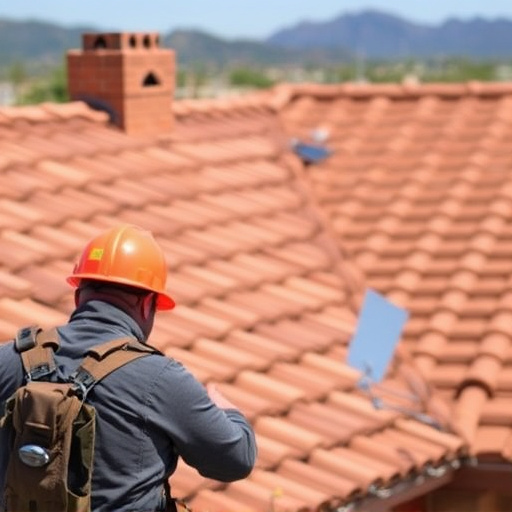
Understanding Tucson Roof Inspection Requirements, specifically in Oro Valley, is crucial for both property owners and insurance companies. A thorough inspection goes beyond simply checking for damage; it involves assessing the overall health and remaining life of the roof, as well as its adherence to local building codes and industry best practices. A licensed Tucson roofing contractor, for instance, will look for signs of coating wear, especially in areas prone to extreme weather like Vail, where dust storms can accelerate deterioration.
When conducting a Tucson roof inspection for insurance claims or policy renewals, several key components are essential. First, and most obviously, is a visual examination of the roof's condition. This includes checking for missing or damaged shingles, flashing, and underlayment. For flat roofs, a close inspection of the drainage system is crucial, as proper drainage can prevent serious damage from both rain and sun. In Oro Valley, where summer heat can be intense, the inspection should also assess the integrity of any foam roof coating, as extreme heat can impact its effectiveness.
A comprehensive Tucson roof inspection involves checking the attic and ceilings for signs of moisture intrusion, which can be a significant indicator of leaks. This is particularly important for historic homes, where the roof structure may be unique and require specialized care. The inspector will also read the roof's condition into a detailed report, which can be crucial for negotiating insurance claims or justifying policy renewals. If the inspection reveals significant issues, the report can help justify a request for a reduced premium due to the increased risk. Conversely, a clean inspection can lead to a policy renewal with favorable terms.
Conducting a Thorough Roof Inspection for Claims

When conducting a thorough roof inspection for insurance claims or policy renewals in Tucson and Oro Valley, a licensed roofer with an Arizona ROC license must assess the roof's overall condition and identify any damage that may impact coverage. What a Tucson roof inspection includes is a comprehensive review of the roof's components, from the underlayment to the gutters. During the inspection, look for signs of slipped tiles, especially during the monsoon season, as these can cause significant damage if left unaddressed. Check all vents to ensure they are clean and functional, as blocked vents can lead to poor air circulation and potential roof decay.
The inspector should pay close attention to areas prone to problems, such as valleys and peaks, where water can pool and wear away at the roof's integrity. A roofing contractor serving Tucson and Oro Valley may also recommend a drone inspection to capture detailed images of the roof's entire surface, particularly in hard-to-reach areas. This technology can provide a more comprehensive view compared to a traditional walk-on inspection, especially for flat roofs or historic homes with intricate designs. By combining these methods, inspectors can accurately assess the roof's condition and provide detailed reports for insurance claims and policy renewals.
During the inspection, the contractor should also check for signs of moisture intrusion, which can indicate leaks or poor flashing. These issues are crucial to identify as they can lead to extensive damage and costly repairs. It's essential to assess the remaining roof life estimate, considering factors like the age of the roof, local climate patterns, and the quality of the materials used. This assessment helps both homeowners and insurance providers make informed decisions regarding repairs, replacements, or policy adjustments.
After the inspection, the roofer should communicate the findings clearly and concisely, outlining any necessary repairs or replacements. This transparency is vital for a successful insurance claim and ensures that all parties are on the same page. If slipped tiles are discovered, the report should include a detailed description and images to support the claim. By following these steps and incorporating the best practices of the roofing industry, a thorough roof inspection can be conducted effectively, providing valuable insights for insurance claims and policy renewals in Tucson.
Documenting and Presenting Findings for Policy Renewals

For insurance claims and policy renewals, a thorough and well-documented roof inspection is crucial. In Tucson, where extreme weather conditions can take a toll on your property, a comprehensive understanding of what a Tucson roof inspection includes is essential for both homeowners and insurance providers. This process goes beyond a simple visual assessment; it involves a detailed examination of various components that contribute to the overall health and longevity of your roof.
A qualified roofing contractor serving Tucson and Oro Valley will meticulously document every aspect of the inspection, including the condition of the underlayment, flashing, and other critical elements. They'll check for any signs of damage, wear, or degradation that could compromise the roof's integrity. The inspection report should clearly articulate these findings, highlighting areas of concern and suggesting appropriate repairs or maintenance. One of the key components is the attic, which matters in ventilation and moisture control. A roofing expert will inspect the attic for proper insulation, ventilation channels, and signs of water intrusion, as these issues can lead to significant problems below.
Presenting these findings effectively during policy renewals or claims processes is where the true value lies. Insurance companies rely on these detailed reports to assess the condition of the property and determine coverage. If a recent dust storm has caused damage, the report should include photographs and descriptions of the affected areas, the extent of the damage, and the estimated cost of repairs. By providing this level of detail, homeowners can ensure their claims are processed efficiently, and their policies are renewed without unnecessary delays. This meticulous approach not only facilitates smoother insurance interactions but also helps extend the life of your roof, protecting your investment for years to come.
Frequently Asked Questions About guidance on roof inspections for insurance claims and policy renewals in Arizona
What is the best way to prepare for a roof inspection for insurance purposes?
Before your inspection, ensure your roof is free from debris and secure any loose items. Document any existing damage with photos, noting the date and extent. Gather your insurance policy details and any relevant correspondence. During the inspection, cooperate with the adjuster, providing clear access to all areas and asking questions if anything is unclear. Keep detailed records of the process for your records.
How often should I have a roof inspection for insurance?
The frequency of inspections depends on your policy and local regulations. Most insurance companies recommend a thorough inspection every 2-3 years for residential properties. After severe weather events, such as a major storm or hailstorm, an inspection is advisable to assess any damage that may impact your claim.
Who should I contact if I suspect my roof has damage that needs insurance?
Contact your insurance company directly to report any suspected damage. They will guide you through the process, often dispatching an adjuster to assess the situation. If you are unsure about your policy coverage or the claims process, consult with a local insurance broker or agent who can provide specific advice tailored to your policy.
What documentation do I need to support a roof repair or replacement claim?
Gather all relevant documents, including your insurance policy, any previous correspondence with your insurer, and detailed records of the damage. Take photos of the affected areas, ensuring they are clear and well-lit. Keep track of any estimates or invoices from contractors who have assessed the damage or provided repairs. This documentation is crucial for supporting your claim and verifying the necessity of the repairs.
Can I appeal if my insurance claim for roof repair is denied?
Absolutely. If your claim is denied, carefully review the reason provided by your insurance company. Gather additional evidence to support your case, such as expert opinions or alternative estimates. Prepare a detailed appeal letter, outlining your reasons for disagreement and providing any new information. Submit your appeal through the appropriate channels, usually within a specified timeframe after receiving the denial.
A comprehensive roof inspection in Tucson is an indispensable process for both homeowners and insurance companies, ensuring the protection and value of a property. Understanding what a Tucson roof inspection includes, from the local building codes to moisture detection for leaks, is crucial. By thoroughly documenting the condition of the roof, attic, and ceiling, and presenting these findings accurately, property owners can facilitate seamless insurance claim processes and policy renewals.
The article highlights the importance of adhering to Tucson's Professional Roofers Association standards and following best practices, especially before and after extreme weather events like monsoons and dust storms. It emphasizes the role of experienced contractors who can navigate the unique challenges of Tucson's climate and local regulations. It suggests that homeowners be proactive in scheduling regular inspections, potentially every two years, to estimate the remaining roof life and make informed decisions regarding repairs or replacements.
This guide has provided valuable insights into navigating the Tucson roof inspection process, ensuring that both property owners and insurance providers are equipped with the knowledge to protect and maintain roofs effectively.
A thorough Tucson roof inspection for insurance claims involves a licensed contractor assessing the roof's overall condition, from underlayment to gutters, looking for damage and signs of wear. Key components include visual examination, checking drainage systems, inspecting foam coatings, and assessing attic and ceiling moisture intrusion. The inspection report details findings, aiding in policy renewals and claims, with transparent documentation crucial for efficient insurance interactions. By following these comprehensive practices, both homeowners and insurance providers benefit from a protected investment.