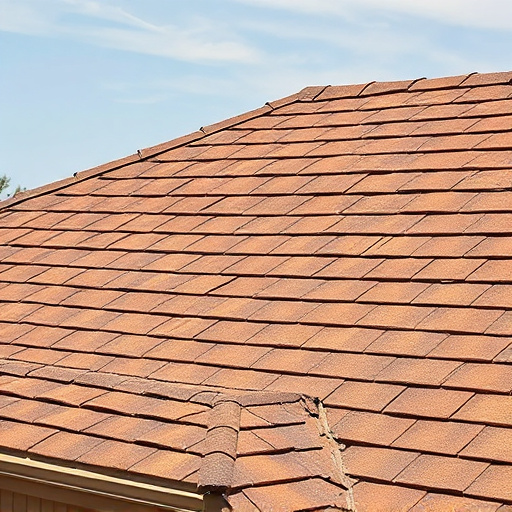
As a licensed Tucson roofer with over a decade of experience, I've seen firsthand how unpredictable Arizona's climate can be, especially during the monsoon season. Regular roof inspections are crucial not just for safety, but also to mitigate damage from heavy rains and strong winds. This guide provides seasonal advice on inspecting your Tucson roof before and after monsoon season, focusing on key areas like flat roof drainage checks. We'll explore best practices, common issues, and how often to inspect, empowering you to maintain a safe, secure home. By following these steps, you'll ensure your roof is in top shape, protecting your investment and peace of mind.
- Pre-Monsoon: Essential Roof Checks for Tucson Homes
- During Monsoon: Safely Evaluating Flat Roof Drainage
- Post-Monsoon: Repairs and Maintenance Priorities
Pre-Monsoon: Essential Roof Checks for Tucson Homes
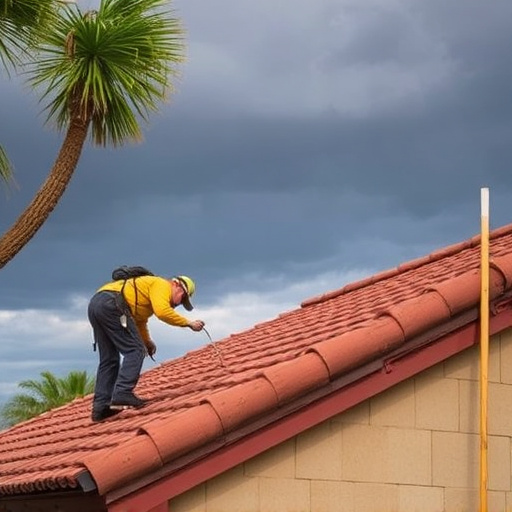
Before the monsoons hit Tucson, homeowners should conduct a thorough inspection of their roofs to ensure they're in peak condition. This pre-monsoon checkup is crucial for several reasons. First, intense summer storms can cause damage that may go unnoticed until the harsher winter weather sets in. Second, many roofing issues are easier and less expensive to fix before the rainy season, preventing more severe (and costly) problems down the line.
Focus on visual inspections, starting with a comprehensive walk-around. Look for slipped tiles, loose shingles, or any signs of missing underlayment. These are common issues exacerbated by strong winds and intense sunlight. Also, check for ceiling stains-a telltale sign of leaks that could be caused by either poor drainage or damaged tiles/shingles. A flat roof drainage check is especially important in Tucson, where proper water flow is critical to preventing water damage and roof decay. Use a hose to simulate a downpour and observe where water flows; look for blockages, inadequate drains, or areas where water pools. Some advanced methods, like infrared scans, can help detect hidden leaks or areas of high moisture content, offering peace of mind for homeowners.
A roofing contractor serving Tucson and Oro Valley recommends addressing these issues promptly. Replacing slipped tiles and repairing underlayment before monsoon season begins can mitigate the risk of more significant damage. Regular, proactive inspections can also help extend the life of your roof. Remember, a well-maintained roof is essential for protecting your home and its contents, as well as for ensuring the safety of your family.
During Monsoon: Safely Evaluating Flat Roof Drainage
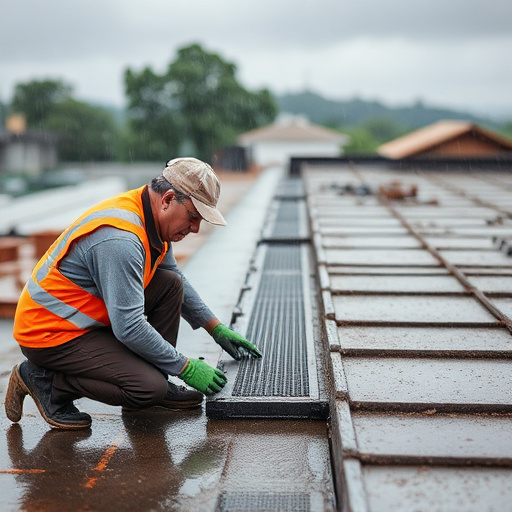
Monsoon season brings unique challenges for roof inspections in Tucson. As heavy rains and strong winds become more frequent, a thorough evaluation of flat roof drainage becomes paramount. A roofing contractor serving Tucson and Oro Valley recommends implementing a few key strategies to safely and effectively assess drainage systems during this critical period.
The primary focus should be on ensuring proper drainage across the entire roof surface. This involves visually inspecting for blockages, clogs, or debris buildup that could hinder water flow. Look carefully at gutters, downspouts, and flat roof drains to make sure they are clear and functioning optimally. A close examination might reveal loose or missing downspout connections, which can be easily rectified. Check for signs of coating wear on metal surfaces, as exposed areas can become vulnerable to corrosion and leaks, especially in the harsh desert climate.
Infrared scan technology can be a valuable tool during monsoon inspections. This non-invasive method helps detect moisture or leaks by revealing areas with elevated temperatures. By identifying these hotspots, contractors can pinpoint problem zones, such as parapets or roof edges, for further investigation. An infrared scan might uncover a small leak in a flat roof underlayment that could be missed during a visual inspection. Regular use of this technology, especially after monsoon storms, can significantly enhance the overall integrity of the roof system.
After a storm, a thorough assessment of the roof's overall condition is essential. Look for signs of damage, including any holes or tears in the underlayment or coating. Check for loose tiles or shingles, as strong winds can dislodge them. These visual checks, combined with an infrared scan, will provide a comprehensive picture of the roof's health. A recent inspection after a particularly intense monsoon storm revealed a few tiles dislodged near the roof's edge, highlighting the importance of these checks. Regular, seasonal inspections, coupled with advanced diagnostic tools, are the cornerstones of proactive roof maintenance in Tucson's unique climate.
Post-Monsoon: Repairs and Maintenance Priorities
After the monsoon season, a thorough roof inspection is crucial to assess any damage caused by the intense weather patterns and identify necessary repairs. This is especially true for flat roofs, which are more susceptible to specific issues like poor drainage. A local Tucson roofing company, DC Roofing of Arizona, recommends prioritizing a comprehensive flat roof drainage check post-monsoon to ensure water is flowing freely and away from the structure.
Monsoon storms can lead to blocked drains, causing water to pool on the roof and potentially leading to structural damage and mold growth. Inspectors should look for signs of clogs, such as discolored or elevated areas of the roof, and ensure all drains, downspouts, and gutters are clear and functioning optimally. Proper drainage is not only essential for the roof's longevity but also matters in preventing UV damage, which is common in our region due to intense sunlight.
During the post-monsoon inspection, experts should also evaluate the condition of roof vents. These vents are vital for ventilating the roof space, regulating temperature, and preventing moisture buildup. Damage or blockage of vents can lead to poor indoor air quality and increased energy costs. Strong winds during monsoon seasons might dislodge vent covers or damage vent screens, requiring replacement or repair. Regular maintenance and prompt repairs after storms are key to ensuring the roof remains in good condition, extending its lifespan, and protecting the home from potential issues arising from water intrusion and UV exposure.
Frequently Asked Questions About seasonal advice on inspecting a Tucson roof before and after monsoon season
What is the best time of year to inspect my Tucson roof?
The ideal time to inspect your roof is during the transition seasons, like late spring or early autumn. These periods offer moderate weather conditions, making it safer and more accessible to climb and examine the roof. Avoiding the hottest parts of summer and the heaviest rainfall of monsoon season ensures a clearer view of any potential issues.
How often should I perform a roof inspection in Tucson?
Most roofing experts recommend a thorough inspection every 6 to 12 months, depending on the age and condition of your roof. For properties in areas prone to extreme weather, like Tucson, seasonal inspections are crucial. Monsoon season, in particular, can cause sudden and significant damage, so a proactive approach is best.
What damage should I look for after monsoon season?
After monsoon season, inspect your roof for any signs of water damage, like stains, peeling paint, or warped shingles. Look for loose or missing shingles, which can expose your home to further elements. Also, check the gutters and downspouts for clogs, as heavy rainfall can cause overflow, leading to structural damage.
Should I hire a professional for a post-monsoon roof inspection?
While a DIY inspection is possible, it's advisable to hire a licensed roofing contractor, especially after extreme weather events. Professionals have the expertise to identify subtle issues and offer tailored solutions. They can also provide a detailed report, which can be valuable for insurance claims or future reference.
How can I safely inspect my roof during monsoon season?
If an inspection is necessary during monsoon season, prioritize safety. Avoid climbing the roof during heavy rain or lightning storms. Instead, look for signs of damage from the ground using binoculars or a camera. If you must ascend, ensure a dry, stable surface and have someone below to assist. Always use appropriate safety gear.
What should I do if I find damage during the inspection?
If you uncover any significant damage, contact a roofing specialist immediately. They can assess the situation and provide solutions, which may include repairs or a full roof replacement. Early action is crucial to prevent further complications and ensure your home's structural integrity.
As the Tucson monsoon season approaches, understanding the critical roof inspection process is essential for homeowners. This article has guided you through the key steps to ensure your roof's longevity and safety, from pre-monsoon essential checks to post-storm repairs. By focusing on seasonal considerations, particularly the crucial flat roof drainage check, you can proactively manage your home's most valuable asset.
The pre-monsoon inspection is a proactive measure, identifying potential issues before they escalate. During monsoon, safe evaluation of flat roof drainage becomes paramount to prevent water damage. Post-monsoon, the focus shifts to repairs and maintenance, ensuring your roof is in optimal condition.
By implementing these seasonal strategies, you can extend your roof's life, avoid costly repairs, and protect your home's investment. Remember, a well-maintained roof is a crucial defense against the elements, offering peace of mind and long-term savings.
Before monsoon season, conduct a thorough visual inspection of your flat roof, looking for slipped tiles, loose shingles, and missing underlayment. Check for ceiling stains indicating leaks and simulate downpours to assess drainage. Use infrared scans to detect hidden leaks or moisture. After storms, inspect for damage, blocked drains, and vent issues. Promptly address issues to prevent costly repairs and extend your roof's life. Regular, proactive inspections are key to maintaining a well-protected home in Tucson's unique climate.