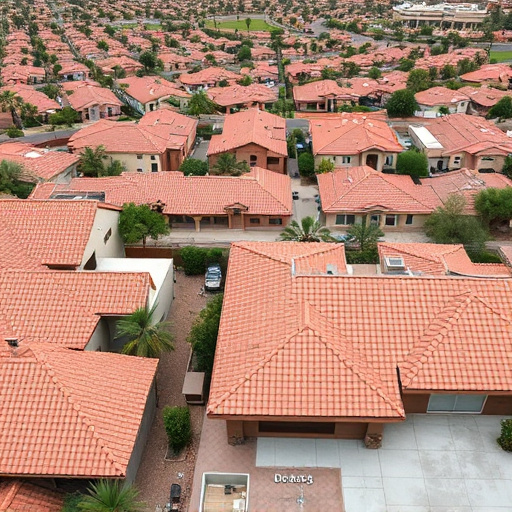
In the scorching sun of Tucson, the roof serves as a critical shield, protecting your home or business from the elements. But, like any defense system, it requires regular maintenance and thorough inspections to ensure its longevity. A commercial roof inspection in Tucson, with its unique climate challenges, becomes an essential step in preserving your investment. This article examines the intricacies of what a Tucson roof inspection entails, addressing the impact of sun, heat, and UV exposure on your roofing system. We'll explore why these factors matter, how they can affect your roof's performance, and the critical role an expert plays in identifying potential issues.
- Understanding Tucson's Unique Roof Challenges
- Evaluating UV Damage: A Closer Look
- Commercial Roof Inspection: Heat & Sun Exposure Strategies
Understanding Tucson's Unique Roof Challenges
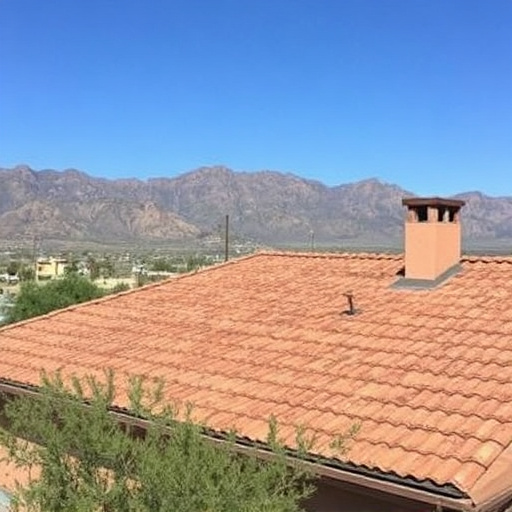
Tucson's unique climate presents distinct challenges for roof inspections, especially when considering a commercial roof inspection. The intense sun, scorching heat, and year-round UV exposure can accelerate roofing material degradation, making regular, thorough inspections crucial. In areas like Marana, where the sun's rays are relentless, asphalt shingles may show signs of early wear and tear, necessitating a closer look during certification processes.
A licensed Arizona roofer with local expertise is vital to navigating these challenges. They understand the specific issues that arise from Tucson's climate, such as moisture buildup in the underlayment due to high humidity, and the subsequent risk of leaks. During inspections, they'll check for proper drainage systems, ensuring water doesn't pool on the roof, which can lead to structural damage. The roofer will assess the condition of tile underlayments, foam roof coatings, and flat roof drainage systems, all of which are susceptible to heat-related issues.
For commercial roof inspections, frequency is key. Insurance renewals, for example, often require comprehensive assessments. A roof inspector will then provide a detailed report, highlighting issues like remaining roof life, potential problems from recent weather events like dust storms, or repairs needed after hail or wind damage. Understanding these factors is essential for property owners and managers, as it allows for proactive maintenance, reduces unexpected costs, and ensures the safety and integrity of the building.
Evaluating UV Damage: A Closer Look

During a commercial roof inspection in Tucson, the sun's intensity and the region's unique UV exposure play a significant role in assessing a roof's condition. UV damage, often unseen to the naked eye, can be a major concern for property owners and managers. The intense Arizona sun, especially during the summer months, can accelerate the degradation of roofing materials, particularly on flat or low-sloped roofs.
In this desert environment, UV radiation can break down the polymer bonds in synthetic roofing membranes, such as EPDM and TPO. This can lead to cracking, peeling, or loss of adhesion, creating vulnerable areas where leaks may occur. Even more traditional materials like asphalt shingles can suffer from UV-induced discoloration, shrinkage, and fragility over time. Inspectors look for signs of these issues, especially in roof valleys and along parapets, where sunlight can directly strike the roofing surface. A well-maintained, older roof might appear mostly intact, but a close examination could reveal subtle UV-related damage starting to manifest.
A Tucson roofer with an Arizona ROC license understands these challenges and incorporates UV damage assessment into their commercial roof inspection process. They know that regular inspections are crucial, especially under the harsh desert conditions. By identifying potential UV-related issues early, property managers can budget for repairs or replacement, preventing more costly damage in the long run. This proactive approach ensures that the roof remains a protective asset, safeguarding the structure below from the relentless sun and UV exposure characteristic of Tucson's climate.
Commercial Roof Inspection: Heat & Sun Exposure Strategies
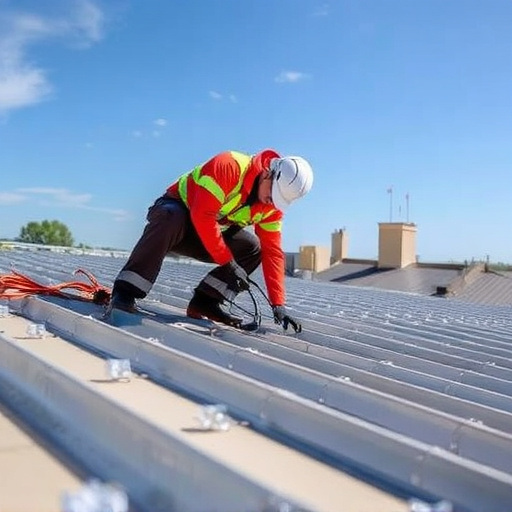
In the hot, sunny climate of Tucson, commercial roof inspections require specialized strategies to address heat and sun exposure. The intense UV radiation and high temperatures can accelerate the deterioration of roofing materials, making regular, thorough inspections crucial. A licensed Arizona roofer knows that cracked tiles, for instance, are a common issue due to heat expansion and contraction, especially in low-slope or flat roofs. During a commercial roof inspection, experts look for signs of these types of damage, which can lead to significant leaks and structural damage if left unaddressed.
Roof certification is a key component of these inspections, particularly when preparing a property for sale or a renewal of insurance. Inspectors assess the overall condition of the roof, looking at the integrity of the underlayment, especially in areas prone to strong winds and storms. Roof valleys, those low points where water drains off the roof, are particularly vulnerable to damage from heavy rainfall and sun-driven evaporation, which can cause moisture buildup and subsequent rot. The inspector will ensure these areas are properly flashed and drained to prevent long-term issues.
In summer heat, it's not just the sun that poses a threat. High temperatures can cause materials to expand, putting stress on seams and connections. A skilled roofer will check for signs of thermal expansion damage, especially around vents and plumbing vents, which can be weak points in the roof. They'll look for signs of aging or damage from previous weather events, such as hail or dust storms, which are common in the region. By combining these strategies, a commercial roof inspection in Tucson can provide a comprehensive assessment, allowing property owners and managers to make informed decisions about repairs, replacements, and certifications.
Frequently Asked Questions About an explainer on how sun, heat and UV exposure in Tucson show up during a roof inspection
What are the unique challenges of roof inspections in Tucson due to the local climate? Tucson's climate presents distinct challenges for roof inspections. The intense sun and high temperatures accelerate material degradation, particularly for asphalt shingles. UV exposure can cause shingles to weaken and crack, leading to leaks. Inspectors look for signs of early failure, such as missing or curled shingles, to recommend repairs before more severe weather events occur.
How does UV exposure from the sun impact roof materials? UV radiation from the sun breaks down the bonds in roofing materials, particularly in asphalt shingles. This process weakens the shingles, making them more prone to tearing, cracking, and curling. Inspectors visually assess the roof for signs of UV-induced damage, as this can be an early indicator of more serious structural issues.
Do heat waves affect the integrity of a roof? Heat waves can significantly impact a roof's integrity. High temperatures can cause the underlayment and roof deck to expand and contract, leading to loose or damaged shingles. Inspectors during hot periods are vigilant for signs of heat-related damage, such as excessive shrinkage or warping, which could compromise the roof's overall strength and water-tightness.
What are some signs of heat damage on a roof that a professional inspector might look for? Inspectors search for specific heat-related signs, including blisters or bubbles under shingles, broken or cracked shingles, and warped or distorted roof components. These indicators suggest heat-induced swelling and shrinkage, which can weaken the roof structure. Addressing these issues promptly prevents further damage from weather events.
How does Tucson's climate influence the lifespan of a roof? Tucson's climate significantly impacts a roof's lifespan. Regular inspections are crucial to identify and address issues early, extending the roof's service life.
Can UV exposure be a factor in roof leaks? Absolutely. UV exposure is a significant contributor to roof leaks. The continuous degradation of shingles caused by UV radiation can lead to punctures and holes, allowing water penetration. Inspectors carefully examine the roof for signs of UV-induced damage, as these areas are more susceptible to leaks.
What steps can homeowners take to protect their roofs from Tucson's climate? Homeowners can protect their roofs by selecting UV-resistant materials, maintaining proper ventilation to reduce heat buildup, and scheduling regular inspections. Coating the roof with reflective paint or shingles can also help reflect sunlight, mitigating the effects of intense Tucson sunshine.
In the harsh, sun-drenched environment of Tucson, commercial roof inspections take on added significance. Understanding the unique challenges posed by UV exposure, extreme heat, and monsoon seasons is crucial for any roofing professional. By evaluating underlayment, tile integrity, and foam coatings for UV damage, inspectors can identify potential issues before they escalate. The strategies discussed for heat and sun exposure during commercial roof inspections offer a comprehensive approach to preserving roof integrity and extending a structure's lifespan. Armed with this knowledge, Tucson's roofing contractors can better serve their clients, ensuring that roofs withstand the region's harsh conditions while providing reliable protection. This expert guidance underscores the importance of regular, thorough inspections, ultimately contributing to a robust and resilient built environment.
Tucson's sun, heat, and UV exposure significantly impact commercial roof inspections. Licensed Arizona roofers understand these challenges, focusing on:
- UV Damage: Assessing polymer bond integrity in membranes (EPDM, TPO) and traditional materials like asphalt shingles for cracking, peeling, and adhesion loss.
- Heat-Related Issues: Identifying thermal expansion damage around vents, and checking underlayment integrity for moisture buildup and rot, especially in valleys.
- Regular Inspections: Ensuring proper drainage systems, roof certification for insurance renewals, and proactive maintenance to reduce unexpected costs and ensure building safety.