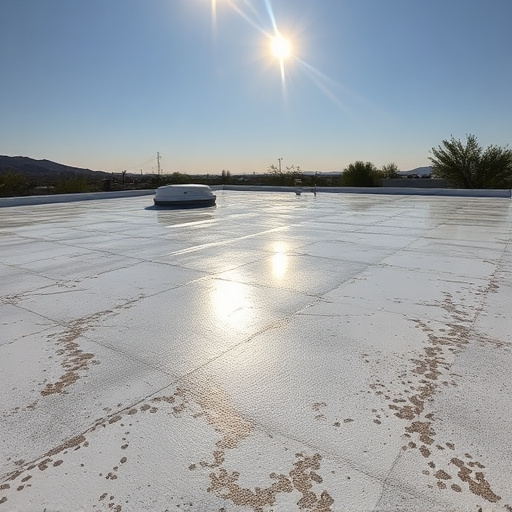
Roof inspections are critical in Arizona, where extreme weather conditions, from monsoons to dust storms, can significantly impact a home's most vital component-its roof. For insurance claims and policy renewals, these inspections can be a major improvement, either securing much-needed funds for repairs or revealing issues that could void a policy. However, navigating the process can be challenging. Homeowners often wonder: what exactly does a roof inspection entail? Who should we trust with this important task? And how can we ensure we're prepared for any findings? This article provides clear, actionable guidance on all things related to roof inspections in Tucson, from understanding the scope of the assessment to negotiating with the results. We'll examine industry best practices, local building codes, and the key questions to ask a roof inspector to ensure your peace of mind.
- Understanding Arizona's Roof Inspection Requirements for Insurance
- Preparing for a Roof Inspection: Questions to Ask Beforehand
- Post-Inspection: Navigating Claims and Policy Renewal Process
Understanding Arizona's Roof Inspection Requirements for Insurance

When preparing for a home sale or insurance renewal, understanding Arizona's roof inspection requirements is crucial. In this state, roof inspections play a vital role in ensuring property safety, identifying potential issues, and facilitating smooth transactions. Homeowners and insurers alike benefit from a thorough understanding of what these inspections entail and how they can impact your bottom line.
A professional roof inspection in Arizona involves a comprehensive evaluation of various components, from the underlayment to the attic space. Inspectors will assess the overall condition of the roofing system, checking for any signs of damage, wear, or potential safety hazards. One key area of focus is the underlayment, a protective layer beneath the shingles that safeguards against moisture intrusion. Inspectors will ensure it is intact, free from tears or missing sections, as these issues can lead to serious water damage and structural problems. The inspection will include a thorough check of the attic and ceiling areas, where issues like mold growth, water stains, or inadequate ventilation might go unnoticed but have significant implications.
DC Roofing of Arizona, a licensed Tucson roofing contractor, emphasizes the importance of asking the right questions during an inspection. Homeowners should inquire about the inspector's experience, the scope of the assessment, and any recommendations for repairs or replacements. Understanding the inspection report and its implications is essential, especially for insurance claims and policy renewals. If a hail storm or wind event has affected your property, a post-event inspection is crucial to document the damage and facilitate an insurance claim. The inspector's report can be a powerful tool in navigating these processes, providing clear evidence of the extent of the damage and the necessity of repairs. By familiarizing yourself with these requirements and working with a reputable local roofer, you can ensure a smoother transition during your home sale or insurance renewal.
Preparing for a Roof Inspection: Questions to Ask Beforehand

Preparing for a roof inspection is a crucial step for any homeowner or business owner in Arizona, especially for insurance claims and policy renewals. There are several key questions to ask yourself before the inspector arrives to ensure a smooth and productive assessment.
First, consider your roof's history. Have there been any recent repairs or replacements? If so, gather all documentation and warranties as these can be invaluable during the inspection. If you've had a new tile underlayment installed, have the contractor provide details on the materials used and their estimated lifespan. Also, be aware of any recurring issues, such as ceiling stains or signs of water pooling, which may require special attention during the inspection. Remember, a Tucson roofer with an Arizona ROC license will be looking for these telltale signs of potential problems.
Next, think about your roof's current condition. Check for any visible damage, including missing or damaged shingles, flashing issues, or signs of wear and tear. Even minor concerns can impact the overall roof certification and insurance assessment. A slight leak or some loose tiles could indicate a larger problem, so it's essential to address these early. Be prepared to discuss your property's unique features, like a flat roof or a parapet wall, as these may require specific inspection protocols.
Anticipate questions about your property's age and any environmental factors. Older homes might require additional scrutiny, especially if they have historic significance. Conversely, modern homes with energy-efficient features could have different considerations. In Arizona, local weather patterns and climate change should also be top of mind. The potential for increased hail or wind damage may impact your roof's remaining life estimate. By preparing to discuss these aspects, you'll ensure a thorough inspection and better understand any potential costs or claims related to your roof.
Post-Inspection: Navigating Claims and Policy Renewal Process

After a thorough roof inspection, the process doesn't end there. Navigating insurance claims and policy renewals can be complex, but with the right guidance, homeowners can ensure a smooth transition. It's crucial to understand that a post-inspection phase exists, where the findings from the expert roofer, like those from DC Roofing of Arizona, play a pivotal role.
The first step is to review the inspection report thoroughly. A skilled inspector will provide detailed notes on every aspect of the roof, including the overall condition, age, and any potential issues. Look for sections that highlight specific components like parapets, underlayments, and the structure's overall integrity. These are key areas that can impact your policy and claims. If the inspection reveals extensive UV damage to the shingles, this information should be reflected in the report, which will be crucial when dealing with insurance.
For making a claim, the inspector's findings can be instrumental. Insurance companies often require a detailed assessment of the damage, and a well-documented report can expedite the claims process. Questions for a roof inspector regarding policy renewal can also arise during this time. It's essential to ask about any specific requirements or additional documentation needed to renew your policy, especially if there are new findings from the inspection. For commercial properties or historic homes, there may be special considerations, so be sure to discuss these with your inspector.
After the inspection and any necessary repairs, policy renewal should be a more straightforward process. Keep records of all inspections and related work, as these documents can be valuable when demonstrating the condition of your roof to insurance providers. Remember, the goal is to ensure your property is protected, and a thorough understanding of the inspection process and its aftermath is crucial in achieving that peace of mind.
Frequently Asked Questions About guidance on roof inspections for insurance claims and policy renewals in Arizona
What is the purpose of a roof inspection in Arizona?
Roof inspections are crucial for homeowners and businesses in Arizona to ensure the structural integrity of their properties. These inspections are vital when dealing with insurance claims and policy renewals. They help insurance companies assess the condition of the roof, enabling them to provide accurate coverage and claim evaluations. A comprehensive inspection also helps policyholders understand potential issues, allowing them to make informed decisions about repairs, replacements, or policy adjustments.
How often should roof inspections be conducted in Arizona?
The frequency of roof inspections depends on several factors, including the local climate, the type of roofing material, and the age of the property. As a general guideline, it is recommended to have a professional inspection every two to three years. However, in areas prone to severe weather conditions or with older roofing, inspections may be required annually.
Who should perform a roof inspection in Arizona?
Hiring a licensed and experienced Arizona roofer is essential for a thorough and accurate inspection. Look for a local Tucson roofing contractor with a valid ROC (Master) license, as required by the Arizona Department of Construction and Licensing. These professionals have the expertise to identify even subtle issues and provide detailed reports that can be used for insurance purposes.
What information is included in a roof inspection report?
A comprehensive roof inspection report includes detailed assessments of the roof's structure, materials, and overall condition. It should outline any defects, damage, or areas of concern, along with recommendations for repairs or replacements. The report may also include photographs and a detailed description of the inspection process, providing clear evidence for insurance claims or policy discussions.
Can a roof inspection help with insurance claims?
Absolutely. A thorough roof inspection report is invaluable when filing an insurance claim. It provides concrete evidence of the damage or issues, helping to expedite the claims process. Insurance companies often require these reports to verify the extent of the damage and determine the appropriate coverage or settlement amount.
What should I do if I suspect roof damage after a storm?
If you suspect roof damage after a severe weather event, it's crucial to act quickly. Start by conducting a visual inspection from the ground, looking for any visible signs of damage. If you spot issues, contact a licensed roofer to perform a thorough inspection. Document the damage by taking photos and keep detailed records for any insurance claims.
Navigating roof inspections in Arizona for insurance claims and policy renewals requires a thorough understanding of local regulations and a proactive approach. By familiarizing yourself with the process beforehand, you can ensure a smooth experience.
Preparation is vital: asking the right questions before the inspection, like "What areas will be checked?" and "How often are these inspections recommended?" can provide valuable insights. Post-inspection, understanding the report's language and negotiating with the results based on valid concerns, such as moisture detection for leaks or historic home roof inspection requirements, are essential steps.
Considering the local climate patterns and weather events, like pre monsoon inspections and post-hail or wind inspections, can help estimate remaining roof life and make informed decisions regarding home warranty programs and commercial roof inspections. The article's guidance equips homeowners, landlords, and businesses with the knowledge to navigate these processes successfully, ensuring their properties are protected.
In Arizona, understanding roof inspection requirements for home sales or insurance renewals is crucial. A professional inspection involves assessing the underlayment, attic, and overall roofing system's condition, focusing on potential safety hazards and damage. Homeowners should ask inspectors about their experience, the assessment scope, and recommendations.
Before the inspection, consider your roof's history, current condition, age, environmental factors, and unique features. After the inspection, review the report, understand its implications for claims and policy renewals, and maintain detailed records.
Asking the right questions and understanding the inspection process ensures a smooth transition during significant property events.