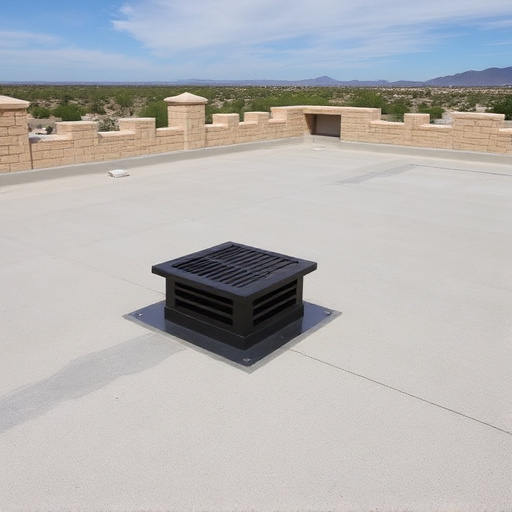
In the scorching desert sun, your home's roof stands as a vigilant guardian, protecting you and your family from the elements. Regular inspections are crucial to ensure its longevity, especially in our harsh climate. Between professional assessments, homeowners can take an active role in maintaining their roof's health. This article arms you with a comprehensive checklist to identify potential issues, from signs of wear and tear to moisture intrusion. By learning to spot these problems, you'll be better prepared to address them, making informed decisions for home warranty roof claims and ensuring your property remains a safe haven.
- Identifying Desert-Specific Roof Issues
- Regular Checks: Preventing Common Problems
- Documenting, Addressing, and Home Warranty Roof Claims
Identifying Desert-Specific Roof Issues
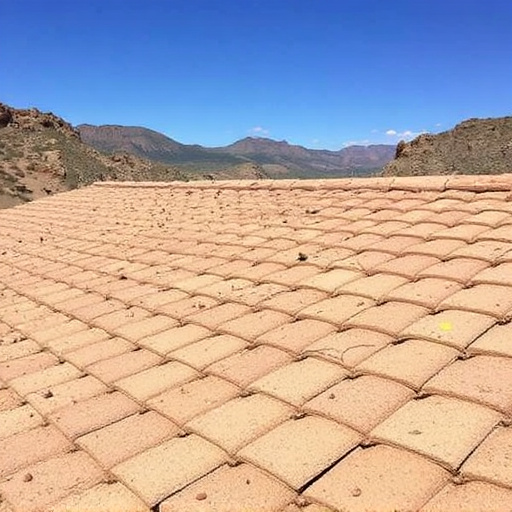
In the arid desert climate, homeowners face unique challenges for roof maintenance. This checklist focuses on identifying potential issues specific to our region, enabling proactive problem-solving between professional inspections. Given the extreme temperatures and intense UV radiation, your roof is constantly under stress, making regular checks crucial.
One of the first signs of trouble may be coating wear, especially on metal roofs. The harsh desert sun can accelerate the deterioration of protective coatings, exposing the underlying metal to corrosive elements. Look for flaking, peeling, or discolored areas, indicating potential failure. Similarly, underlayment damage is common due to extreme temperature fluctuations and high winds. Check for torn or missing underlayment sheets, which provide vital protection to the roof structure. UV damage is another insidious issue, causing wood and synthetic materials to weaken and crack over time. Inspect wooden components, like trusses and supports, for signs of warping or splitting, and ensure synthetic underlayments remain intact and flexible.
Regularly inspecting your roof for these desert-specific issues can save you from costly repairs and potentially trigger home warranty roof claims. Catching coating wear early can lead to minor repairs, preventing the need for complete roof replacements. A proactive approach can help you negotiate with inspection results and ensure your home remains protected under warranty. Consider consulting a local roofing contractor serving Tucson and Oro Valley for expert guidance tailored to our region's unique challenges.
Regular Checks: Preventing Common Problems

Regular Checks: Preventing Common Desert Roof Problems
As a Tucson homeowner, you know that a well-maintained roof is essential for protecting your home and its interior from the harsh desert climate. Between professional inspections, it's crucial to conduct regular checks to identify potential issues early on. This proactive approach can save you from costly repairs and even prevent a minor problem from escalating into a major one. Here's a comprehensive checklist to help you stay on top of your roof's health.
Focus on visible signs of wear and tear, starting with the exterior. Examine the roof shingles or tiles for cracks, chips, or missing pieces. Look for loose or missing underlayment, which is the protective layer beneath the shingles. In the desert heat, coating wear can be a concern, so check for any signs of flaking or peeling of the protective roof coating. Don't overlook the gutters and downspouts-blockages can lead to water damage and are easy to clear during a routine inspection. Move on to the roof's structure by checking the parapet walls and flashing for any signs of damage or deterioration. These elements play a vital role in keeping water out of your home.
When conducting an inspection, pay close attention to areas that are more susceptible to issues in the desert climate. Look for signs of moisture in the attic and ceilings, as high humidity can lead to mold and mildew growth. After a storm or during the pre-monsoon season, check for any damage from hail or strong winds. An inspection after the removal of a swamp cooler or other equipment can also reveal hidden leaks or water damage. Remember, a detailed inspection report is your weapon against unexpected home warranty roof claims. DC Roofing of Arizona, a local Tucson roofing contractor, emphasizes the importance of regular maintenance to extend your roof's lifespan and prevent costly surprises.
To ensure your peace of mind, consider setting up a schedule for these checks, especially before and after seasonal changes. By staying vigilant and addressing any issues promptly, you can protect your investment and keep your home safe from the elements.
Documenting, Addressing, and Home Warranty Roof Claims
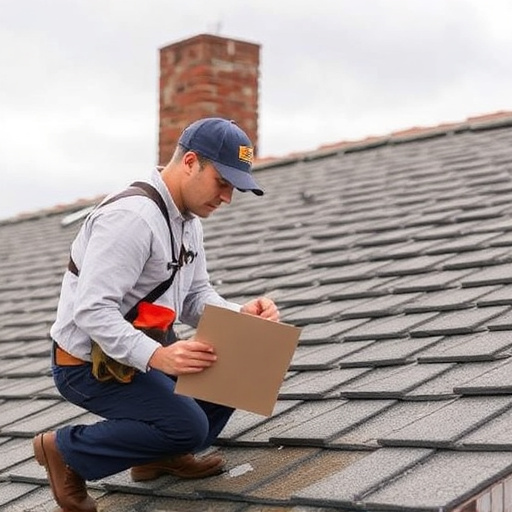
For protecting your investment, documenting and addressing roof issues is crucial, especially when considering home warranty roof claims in our desert climate. As a homeowner, you may be wondering what to look for between professional inspections. This checklist will empower you to spot potential problems and make informed decisions regarding your home's roof.
A licensed Tucson roofing contractor often emphasizes the importance of regular maintenance and visual inspections. Start by examining the roof's exterior for any visible damage. Check for missing or damaged shingles, flashing around chimneys and vents, and cracks in the tile or metal underlayment. These issues can indicate problems that may lead to costly home warranty roof claims. A damaged flashing around a vent could result in water penetration, causing interior damage and potentially triggering a warranty claim. Pay close attention to the roof valleys, as these areas are particularly vulnerable to debris buildup and water collection, leading to potential leaks.
Upon closer inspection, look for signs of moisture or mold growth in the attic and on the ceiling. This could be an indicator of a serious problem, such as poor ventilation or leaks. If you suspect a leak, document the issue and its location. Many home warranty companies require detailed records of problems, so taking photos and noting the date and circumstances can be invaluable. A leak caused by a missing shingle during a recent dust storm could be swiftly addressed and potentially avoided from becoming a costly warranty claim. Regularly checking for these issues, especially after extreme weather events like monsoon storms or hail, is essential for maintaining the roof's integrity.
Frequently Asked Questions About a homeowner checklist for spotting roof problems between professional inspections in the desert climate
What are the unique challenges of roof maintenance in a desert climate? Living in a desert climate presents specific challenges for roof maintenance. Extreme heat and sunlight can accelerate the degradation of roofing materials, with some shingles becoming brittle and more prone to damage. High winds, dust storms, and extreme temperature fluctuations can also contribute to more frequent repairs and replacements. Regular inspection is crucial to identify issues early, as delayed maintenance can lead to costly damage.
How often should I inspect my roof in a desert climate? While professional inspections are recommended at least once every two years, homeowners should conduct basic visual checks monthly. This regular practice helps identify potential issues like missing or damaged shingles, leaks, or mold growth, especially in a climate that exacerbates these problems. Remember, the desert sun can be relentless, so staying proactive with your roof care is key.
What should I look for during a self-inspection? Focus on the visible aspects of your roof. Check for loose or missing shingles, as these can be blown away during strong winds. Inspect the gutters and downspouts for clogs and damage, as water buildup can erode the roof and cause leaks. Look for signs of water stains or mold on the underlayment, which could indicate a leak. Also, pay attention to vents, ensuring they're clear of debris and functioning correctly to maintain proper air flow.
Can I identify a leaking roof without professional help? While professional inspection is advised for accurate diagnosis, homeowners can certainly learn to identify common signs of a leaking roof. Look for discolored or bubble-like spots on the shingles, especially around vents or valleys. Stains on the ceiling or attic insulation, or a persistent musty smell, can also indicate leaks. However, for pinpointing the exact source, it's often best to consult a licensed Tucson roofer.
When should I contact a professional roofer for a more detailed inspection? A professional inspection is warranted if you notice significant damage, suspect leaks, or if your roof is more than 10 years old. They have the tools and expertise to assess your roof's condition, including advanced moisture detection methods to identify hidden leaks. Regular professional inspections are an investment in maintaining the integrity of your home's most critical defense against the desert climate.
What should I do if I find a problem during my self-inspection? If you discover a problem, document it with clear photos, noting the location and severity. Then, contact DC Roofing of Arizona, a licensed Tucson roofing contractor, for a thorough assessment. They can provide expert advice and solutions, ensuring your roof is repaired or replaced efficiently, minimizing the damage caused by the desert's harsh conditions.
As a Tucson homeowner, understanding what a roof inspection includes and how often to conduct them is crucial for maintaining your home's most critical defense against the desert's unique challenges. Regular checks, tailored to the region's climate, can prevent common issues like moisture buildup, tile underlayment damage, and flat roof drainage problems, which are exacerbated by the intense heat and frequent dust storms. By documenting your roof's condition, you're not only protecting your investment but also enabling efficient home warranty roof claims when necessary.
Knowledge is power, and this checklist equips you to spot potential problems between professional inspections. With these insights, you can take proactive measures, ensuring your roof remains in top condition and safeguarding against costly repairs. Remember, a well-maintained roof is key to the overall health and value of your home in our desert climate.
Homeowners in Tucson face unique roof challenges from the desert climate. Regular, proactive inspections between professional checks can save you from costly repairs and home warranty roof claims. Look for coating wear, underlayment damage, UV-induced weakening, and moisture issues. Documenting and addressing problems promptly, especially after extreme weather, can protect your investment and keep your home safe. Consult with a local roofing contractor for expert guidance tailored to our region's needs.