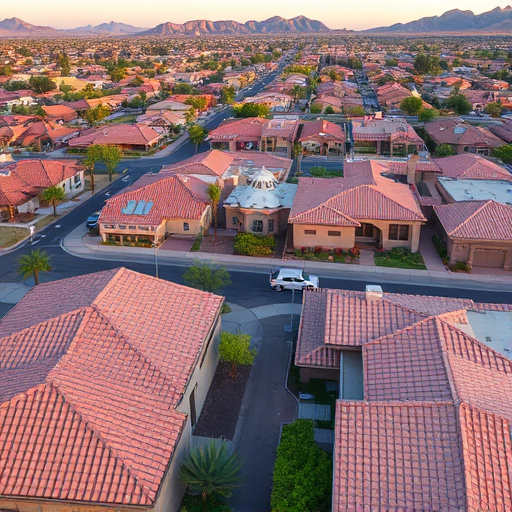
Tucson's unpredictable monsoon season poses unique challenges for homeowners, making seasonal roof inspections crucial. A well-maintained roof protects your home and assets from the harsh desert climate, including powerful winds, intense sunlight, and sudden storms. Knowing how often to inspect a roof, especially before and after monsoon season, is essential for catching potential issues early. This guide offers practical, expert advice on what to look for during these critical inspections, ensuring your roof's longevity and your peace of mind. We'll navigate the process, from identifying signs of damage to understanding the role of local building codes, to help you make informed decisions about your Tucson roof's health.
- Understanding Monsoon's Impact on Your Roof
- Pre-Monsoon: A Comprehensive Roof Inspection
- Post-Monsoon: Evaluating Damage and Maintenance Needs
Understanding Monsoon's Impact on Your Roof
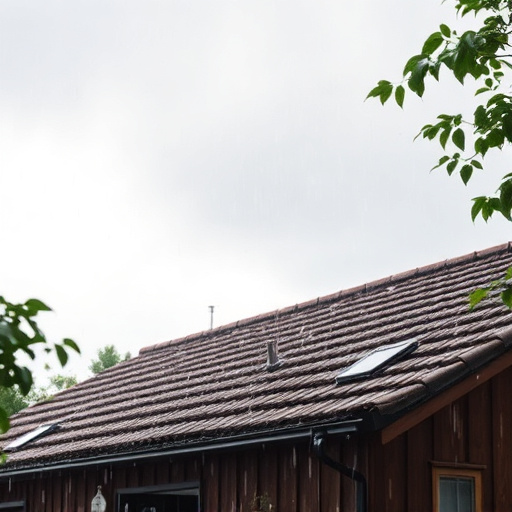
The monsoon season in Tucson brings both beauty and challenges for homeowners, especially for roof maintenance. Understanding how this unique climate impacts your roof is crucial for ensuring its longevity and identifying potential issues early on. This seasonal change can accelerate the deterioration of roofing materials, creating conditions that lead to costly repairs. A licensed Arizona roofer recommends that homeowners be particularly vigilant during these months, focusing on both visual inspections and addressing any signs of wear and tear.
One of the most visible effects of monsoon season is the increased risk of slipped or cracked tiles. The intense heat, followed by rapid cooling as storms roll in, can cause these ceramic or concrete shingles to become brittle. This phenomenon is exacerbated by the heavy rainfall, which can leave behind moisture, further weakening the tiles' integrity. Coating wear is another concern; the consistent humidity and varying temperature extremes can cause protective coatings to degrade, exposing the underlying materials to the elements. These issues may go unnoticed until the damage becomes severe, leading to leaks and other structural problems.
To mitigate these risks, it's essential to establish a regular inspection routine. A professional recommends inspecting your roof at least once a year, ideally before and after the monsoon season. During these checks, look for any loose or missing tiles, as well as signs of water damage or mold growth. Pay close attention to the roof's edges and valleys, where water accumulation is more likely. If you notice any slipped tiles or cracked shingles, it's crucial to address these issues promptly to prevent further damage. A simple tile replacement can be done by a skilled DIYer, but more complex repairs or roof replacement may require the expertise of a local roofing company. Regular, proactive maintenance will ensure your roof remains in top condition, safeguarding your home and potentially saving you from costly repairs down the line.
Pre-Monsoon: A Comprehensive Roof Inspection
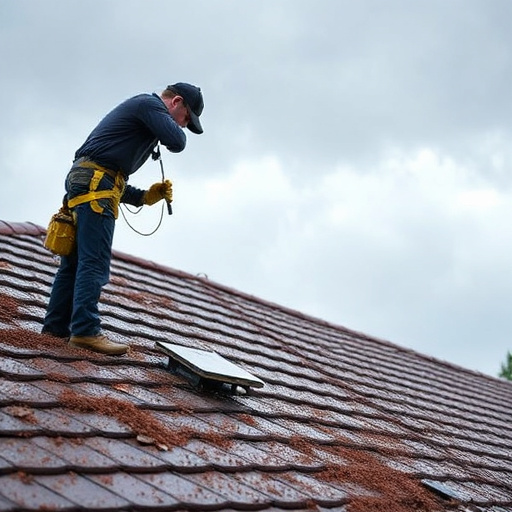
Before the monsoon season hits Tucson, it's crucial to conduct a thorough roof inspection. This isn't just a one-time task; it's recommended to inspect your roof how often to inspect a roof at least once a year to ensure its longevity and integrity. Monsoon season brings intense weather patterns, including heavy rain and strong winds, which can expose vulnerabilities in your roof. An experienced Tucson roof inspector can help identify potential issues that may not be immediately apparent.
The pre-monsoon inspection should focus on several key areas. First, look for signs of ponding water. Standing water on your roof can lead to wood rot, weakened structural support, and even mold growth. Check for any sagging or protruding areas, which may indicate slipped tiles or damaged underlayment. The underlayment, a protective layer beneath the shingles, matters in preventing water penetration. A close examination will help you identify any tears, holes, or loose materials that could compromise the roof's defense against the upcoming storms.
Consider the overall condition of the shingles. Are there any missing, curled, or damaged shingles? These could be easy entry points for water, leading to costly repairs later. Inspecting the gutters and downspouts is also essential, as they play a crucial role in directing rainwater away from the roof and foundation. Clear out any debris and ensure they are securely attached to prevent clogs and water damage. By addressing these aspects how often to inspect a roof-before the monsoon-you can significantly enhance your roof's resilience against the challenges that lie ahead.
Post-Monsoon: Evaluating Damage and Maintenance Needs
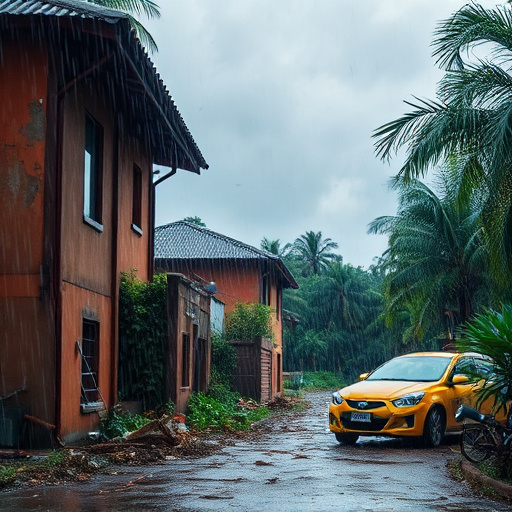
After the monsoon season, it's crucial to thoroughly evaluate your roof for any damage and assess its overall condition. This post-monsoon inspection is a vital step in maintaining the integrity of your roof and ensuring it's in optimal shape for a potential home sale. A licensed Tucson roofer with an Arizona ROC license recommends inspecting your roof at least once a year, but after a severe monsoon, it's wise to consider a more thorough assessment.
One of the primary concerns during this time is checking for any signs of damage to the underlayment. The underlayment, often made of synthetic materials, acts as a crucial barrier against water intrusion and provides additional insulation. Inspect for any torn or missing sections, as these could lead to leaks and increased energy costs. Ponding water, or water pooling on the roof, is another issue to watch out for, as it can indicate poor drainage or damage to the shingles. This is particularly important in areas with heavy rainfall during the monsoon season.
During your inspection, look for loose or missing shingles, as these can be a result of strong winds associated with monsoon storms. Also, pay attention to the condition of the gutters and drains, ensuring they are clear of debris and functioning properly to prevent water accumulation. Regularly inspecting your roof in this manner, especially after significant weather events, can help extend its lifespan and ensure the protection of your home, which is especially important when considering a home sale.
Frequently Asked Questions About seasonal advice on inspecting a Tucson roof before and after monsoon season
What is the best time of year to inspect my Tucson roof?
The ideal time to inspect your Tucson roof is during the transition periods between seasons. Early spring and late fall offer moderate weather conditions, making it easier to spot damage. Avoid the hottest summer months when intense heat can cause materials to expand and contract, potentially masking issues.
Do I need special equipment for a monsoon season roof inspection?
You'll need basic safety equipment like a sturdy ladder, safety harness, and non-slip shoes. A flashlight is essential for examining hard-to-reach areas. Consider using a camera with zoom for detailed visual documentation, especially after a storm when debris or damage may be visible.
What should I look for during a monsoon season roof inspection?
Focus on signs of wear and tear, such as missing or damaged shingles, flashing issues, or weak spots in the underlayment. Monsoon-related damage often includes granule loss from shingles, leaks, and wind-driven debris impact. Inspect for mold or mildew growth, especially in areas with poor ventilation, as high humidity can foster their development.
How often should I have my roof inspected?
A professional inspection every 2 to 3 years is recommended for most roofs. However, if you live in an area prone to severe weather or have a metal roof, consider annual inspections. Monsoon season is a crucial time to assess your roof's condition, as it's subjected to intense seasonal changes.
Can a professional roof inspector prepare me for monsoon season?
Absolutely. A licensed Tucson roofer can provide expert advice tailored to your roof's needs. They can identify potential issues and offer solutions to enhance your roof's resilience against monsoon storms. Regular inspections contribute to proactive maintenance, which can save you from costly repairs later.
What should I do if I find damage during the inspection?
Document the damage with photos and descriptions. Then, contact a reputable Tucson roofing contractor like DC Roofing of Arizona to schedule repairs. Prompt attention to issues ensures minimal damage and prevents further complications.
As Tucson's monsoon season approaches, understanding the unique challenges it poses to your roof is crucial. Regular, seasonal roof inspections are vital to your home's integrity and value. By combining pre- and post-monsoon assessments, homeowners and property managers can proactively address potential issues.
Before the monsoon, a thorough inspection should cover all aspects, from checking for damage from previous storms to assessing the condition of essential components like tile underlayment and foam roof coatings. This process also includes meticulous attic and ceiling checks for moisture buildup, a common monsoon-related problem. Knowing what to look for during these inspections, as detailed in this article, can help you make informed decisions and potentially avoid costly repairs.
After the monsoon season, a post-storm evaluation is critical. Inspecting your roof for any damage, especially from powerful winds and hail, ensures that your home remains secure. This is also an opportunity to assess the effectiveness of your drainage system and verify that your roof is ready for the next season. Understanding the remaining lifespan of your roof and being prepared to negotiate inspection results based on these insights can save you significant time and money.
The key to maintaining a reliable roof in Tucson is proactive, seasonal care. By adhering to the recommended inspection frequency and employing the strategies outlined in this article, homeowners can ensure their roofs are protected, potentially extending their lifespan and safeguarding against costly, unexpected repairs.
Monsoon Season's Impact on Roofs:
Tucson homeowners face unique challenges during monsoon season, which can accelerate roofing deterioration. Regular, annual inspections are crucial to catch issues early. Key areas to inspect include tile/shingle integrity, underlayment, gutters, and drains. After monsoon, re-evaluate your roof's condition, focusing on potential water damage, loose shingles, and underlayment tears. These proactive steps protect your home's value and extend your roof's lifespan. Inspect at least once a year, or more frequently after severe weather events.