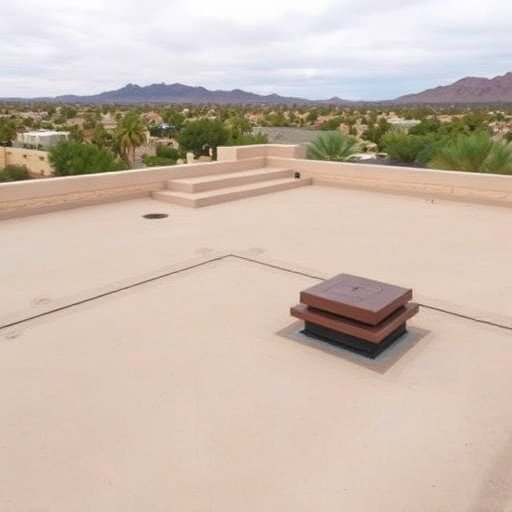
In the arid climate of "inspection includes," periodic roof checks are crucial for homeowners. Neglecting regular assessments can lead to costly repairs and even safety hazards, especially when hidden issues fester beneath the surface. A comprehensive "roof inspection before buying" isn't just about identifying significant damage; it's about gaining peace of mind and ensuring the longevity of your investment. This expert-driven checklist equips you to spot potential problems, from missing or damaged tiles to moisture intrusion, between professional inspections, tailored to the unique challenges of desert living. Let's empower you to be your own advocate and safeguard your home.
- Identifying Common Desert Roof Issues
- Regular Visual Checks: Your Daily Routine
- Preparedness: When to Call a Pro Between Inspections
Identifying Common Desert Roof Issues
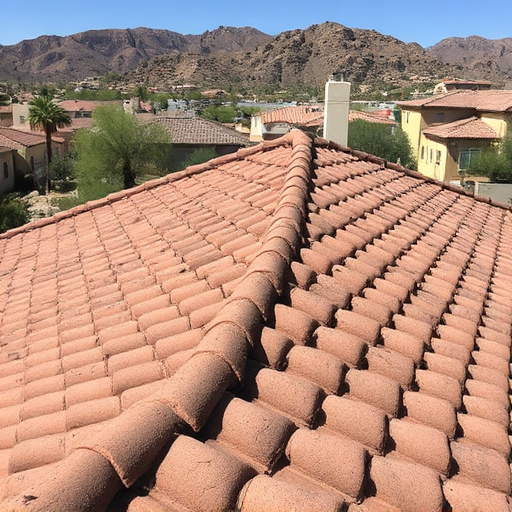
In the desert climate, roofs face unique challenges from intense sunlight, high winds, and rapid temperature changes. As a homeowner, staying vigilant between professional inspections is crucial to identify and address potential issues. This checklist focuses on common desert roof problems, offering practical insights to help you prepare for a comprehensive roof inspection before buying or maintain your property effectively.
First, examine the roof's exterior for any visible signs of damage. Look for missing or damaged shingles, particularly along the edges and valleys, which are more susceptible to wear and tear in the harsh desert environment. Check for loose or broken tiles, as well as any signs of water damage, like discolored or blistered areas. Keep an eye out for excessive granule loss in tile roofs, which indicates the underlayment might be deteriorating. Inspect the roof's penetrations, such as vents, chimneys, and roof vents, for proper sealing and protection against elements.
Another critical aspect is the roof's drainage system. Flat roofs require meticulous attention to ensure proper drainage, preventing water damage and mold growth. Look for cracks or blockages in gutters and downspouts, ensuring they are free-flowing and directing rainwater away from the foundation. In areas prone to dust storms, check for debris buildup on the roof, which can block drainage and lead to water pooling. For sloped roofs, verify that the slope is adequate for effective water run-off, and look for signs of erosion or destabilization. Consider utilizing drone photos to capture a comprehensive aerial view of the roof, aiding in identifying issues not readily apparent from ground level, especially on larger or hard-to-reach areas.
Regularly inspecting these key elements can help homeowners catch potential problems early, saving them from costly repairs and ensuring the longevity of their roof. Addressing minor issues like loose shingles promptly can prevent more severe damage during intense desert weather events. Being proactive about roof maintenance demonstrates a commitment to property care, which is essential when considering roof certification for a sale or when dealing with insurance claims through home warranty roof claims. Engaging a licensed Arizona roofer for periodic assessments can provide valuable insights and peace of mind, ensuring your desert roof stands the test of time.
Regular Visual Checks: Your Daily Routine

Regular visual checks are an essential part of maintaining your home's roof, especially in a desert climate like Tucson where extreme temperatures and seasonal monsoons can accelerate wear and tear. As a homeowner, you're the first line of defense against potential roof issues. A simple daily routine can help you spot problems early, saving you time, money, and stress.
Start by conducting a thorough inspection from the ground. Walk around your property and examine the roof's exterior. Look for any signs of damage, such as slipped tiles, loose shingles, or missing flashings. Even a quick glance can reveal a world of information. A missing or curled tile could indicate a problem with the underlayment, while a gap in the flashing might be a potential entry point for water during monsoon season. Keep an eye out for unusual stains or mold growth, which could signal moisture intrusion, a common issue in desert climates.
Next, take a closer look at the roof's interior. Open your attic access door and peer inside. Check for any signs of water damage, like stained or warped ceiling boards. Look for evidence of pests or insects, as they can cause significant damage to the roof structure. A Tucson roofer with an Arizona ROC license recommends inspecting the underlayment for any signs of wear or moisture. If you notice any issues, document them with clear photos for future reference. Regular visual checks, combined with timely professional inspections, can help ensure your roof remains in top condition and extend its remaining life.
Remember, an inspection report from a professional roofer is invaluable, but your daily routine can fill in the gaps. By incorporating these checks into your regular home maintenance regimen, you'll be better equipped to identify and address potential roof problems before they escalate. Stay vigilant, and your roof will thank you.
Preparedness: When to Call a Pro Between Inspections

Between professional inspections, homeowners can take proactive steps to ensure their tile roof remains in top condition. One crucial area to focus on is identifying signs of potential problems early on. While a comprehensive roof inspection before buying a home is essential, regular maintenance and vigilance between inspections can make a significant difference.
Look for visible signs like ponding water on the roof or in the gutters, which can indicate poor drainage and potential leaks. Also, be alert for any ceiling stains-these could point to water intrusion from a damaged or missing shingle, especially in the desert climate where intense sun and wind can accelerate wear and tear. A roofing contractor serving Tucson and Oro Valley recommends periodically checking the underlayment for any signs of moisture, as this is a crucial layer that protects the structure from the elements.
If you notice any unusual issues, don't hesitate to call in a professional. A roof certification before a real estate transaction is common, but proactive certification at any time can help catch potential problems early. A drone inspection can offer a detailed view of the roof's condition, allowing for a thorough assessment of areas that may be difficult to access on foot. Remember, addressing roof issues early can save you significant time and money in the long run, preventing more extensive repairs and ensuring your home's value remains protected.
Frequently Asked Questions About a homeowner checklist for spotting roof problems between professional inspections in the desert climate
What are the most common signs of a roofing problem I should look for during a DIY inspection?
Look for missing or damaged shingles, especially along the edges and corners. Check for water stains, discolored or peeling paint, and rot or decay on the wood trim and underlayment. Also, inspect for loose or missing flashing around chimneys and vents, as well as signs of mold or mildew on the roof and in the attic. These issues can indicate problems that a professional might miss between inspections.
How often should I conduct a DIY roof inspection?
Performing a visual inspection every few months is recommended, especially in desert climates where extreme heat and seasonal storms can accelerate wear and tear. Regular inspections allow you to identify and address small issues before they become costly repairs.
What tools do I need to effectively inspect my tile roof?
You'll need a pair of binoculars or a camera with a telephoto lens to inspect from ground level. A ladder, safety harness, and inspection kit including a magnifying glass, flashlight, and notepad are essential for reaching and examining the roof safely.
Can I identify potential problems with my roof's flashing during a DIY inspection?
Yes, look for cracks, bulges, or kinks in the flashing where it meets the shingles or other roofing materials. Check for signs of water seepage or stains around these areas, which could indicate flashing damage. Also, ensure the flashing is properly secured and sealed to prevent leaks.
What should I do if I notice a significant amount of granule loss from my shingles?
Granule loss is a serious issue as it exposes the underlying shingles to the elements. If you notice extensive granule loss, contact a licensed roofer immediately. They can assess the damage and determine if a full roof replacement is necessary.
How can I prepare my home for a professional roof inspection?
Before the inspector arrives, clear debris from the roof and gutters. Remove any obstacles that might hinder access to the roof. Also, make a list of any concerns or issues you've noticed during your DIY inspections. Sharing this information with the inspector can help them prioritize their assessment.
What should I do if I suspect a roof leak but can't find the source?
If you suspect a leak but can't pinpoint the source, contact a roofing professional. They have the expertise and tools to trace the leak to its origin, even in the complex terrain of desert roofs.
As a homeowner in the desert climate, regular and proactive roof inspections are crucial to preserving your property's most valuable asset. By understanding common desert roof issues, integrating daily visual checks into your routine, and knowing when to call a professional between inspections, you can significantly extend the life of your roof and avoid costly repairs. A roof inspection before buying a home is essential, as it reveals hidden problems and ensures you're making an informed decision. Stay vigilant, be proactive, and partner with a qualified, licensed roofer in Tucson-like those affiliated with the Tucson Professional Roofers Association-to maintain the integrity of your roof and protect your investment.
Homeowner's Guide to Desert Roof Inspection:
- Regular Visual Checks: Daily inspections from ground level reveal signs like missing/damaged shingles, water stains, or granule loss, aiding in early problem detection.
- Focus on Drainage: Examine gutters, downspouts, and roof penetrations for proper sealing. In dusty areas, clear debris buildup to prevent water pooling.
- Utilize Drone Technology: Aerial photos capture hard-to-reach areas, enhancing the roof assessment, especially for large or sloped roofs.
- Proactive Maintenance: Between professional inspections, check for water damage, pest issues, and underlayment wear, documenting findings for future reference.
- Timely Action: Addressing minor issues promptly prevents major damage during harsh desert weather events, ensuring roof longevity and property value.