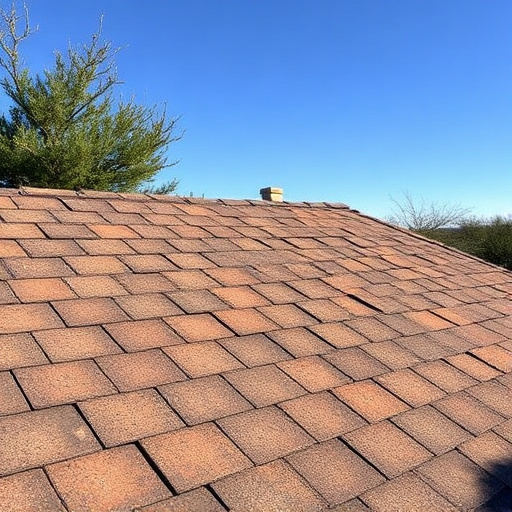
In the sun-drenched skies of Tucson, a roof inspection isn't just about checking for leaks; it's a critical assessment of your home's protection against the unique challenges posed by the area's intense sun, scorching heat, and potent UV exposure. Whether you're buying, selling, or simply maintaining your property, understanding what a Tucson roof inspection includes-and whether to opt for a free or paid service-is essential. This guide breaks down the key elements of a comprehensive roof inspection in Tucson, empowering you to make informed decisions about one of your home's most vital components.
- Understanding Tucson's Unique Roof Challenges
- The Role of Sun, Heat, and UV in Inspection
- Free vs Paid: Navigating Tucson Roof Inspection Options
Understanding Tucson's Unique Roof Challenges
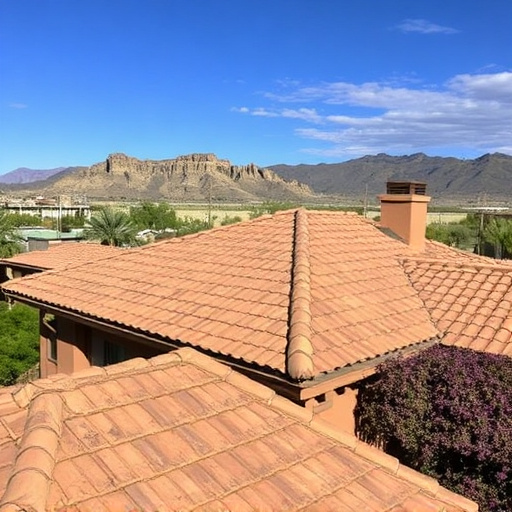
Tucson's unique climate presents specific challenges for roof inspections, which can significantly impact a building's longevity and safety. The intense sun, scorching heat, and UV exposure are not just part of the local weather; they're crucial factors that a thorough roof inspection should consider. A licensed Arizona roofer in Tucson might notice the telltale signs of sun damage during a walk-through, such as cracked or faded shingles, which can be more prevalent in this environment.
One of the primary concerns in this region is the potential for excessive heat to accelerate the breakdown of roofing materials. During a pre-monsoon inspection, a professional will look for signs of heat-related stress, such as warped underlayment or damaged flashing. These issues can be exacerbated by high humidity, which Tucson experiences during the summer months. The intense UV radiation can cause the deterioration of certain roofing compounds, particularly in areas exposed to direct sunlight for extended periods. A skilled inspector will utilize drone photos to capture hard-to-reach areas and identify potential problems, such as ponding water, that might indicate poor drainage or underlying structural issues.
The frequency of inspections is another critical aspect, especially given Tucson's climate. Many experts recommend more frequent assessments, possibly annually, to catch issues early. After extreme weather events like hail or wind storms, a thorough inspection is crucial, as these events can leave visible damage or create hidden problems. A roof certification after such events ensures that any repairs are made correctly, extending the remaining roof life. When buying a home, a paid roof inspection can reveal issues that might be hidden behind the exterior, such as an inadequate tile underlayment or a damaged foam roof coating, which could lead to costly future repairs.
When conducting a roof inspection in Tucson, a professional will also consider the unique characteristics of various roofing materials, like those used in historic homes or mobile homes. Each type has its own set of care requirements and potential vulnerabilities. Adobe roofs, common in certain areas, may need specialized attention due to their composition. Similarly, rental properties or mobile homes might require inspections after specific modifications, like the removal of a swamp cooler, to ensure the roof remains in good condition. By understanding these Tucson-specific challenges, homeowners and property managers can make informed decisions regarding roof maintenance and replacement, potentially saving money and avoiding more significant problems.
The Role of Sun, Heat, and UV in Inspection

Sun, heat, and UV exposure play a significant role in any roof inspection in Tucson, influencing both the condition of the roof and the overall inspection process. These environmental factors are particularly crucial to consider during the monsoon season, when intense heat and strong sunlight can accelerate the aging of roofing materials. A licensed Tucson roofing contractor will tell you that a thorough inspection must account for these elements to provide an accurate assessment.
During a roof inspection, the intensity of the sun can highlight several key issues. UV exposure can cause the degradation of asphalt shingles, leading to cracks and loosening of the granules. This is especially noticeable in areas with older shingles, where the heat and sun have taken a toll. The heat can cause the underlayment to become brittle, affecting its ability to provide a sturdy base for the roof. Inspectors will look for signs of this wear and tear, as it can indicate the need for repairs or a complete replacement.
Moisture detection is another critical aspect of inspections, especially in the post-monsoon period. High temperatures often go hand in hand with increased rainfall, creating a perfect storm (pun intended) for moisture-related issues. Roofers and inspectors will use specialized equipment to check for leaks and moisture intrusion, which can cause significant damage over time. This is where a paid roof inspection can offer significant advantages, as professional inspectors have access to advanced tools and expertise to pinpoint these problems accurately. A drone can provide a bird's-eye view, making it easier to spot missing or damaged shingles or areas of potential leakage.
Free vs Paid: Navigating Tucson Roof Inspection Options
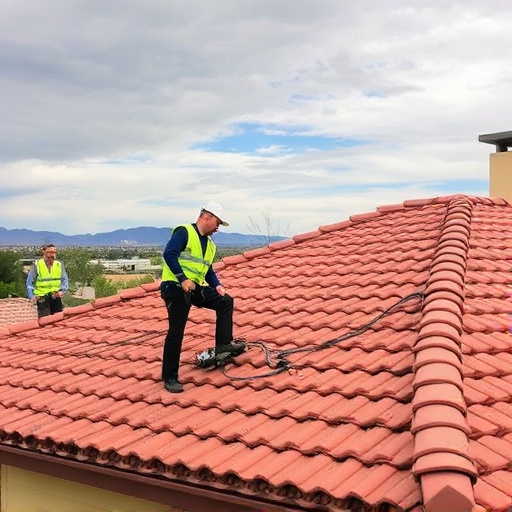
When considering a roof inspection in Tucson, understanding the factors that affect your roof's health is crucial. The sun, heat, and UV exposure play a significant role in the condition of your roof, and an experienced Tucson roof inspector will thoroughly evaluate these elements during the inspection process. This analysis is particularly important given the unique climate conditions in Tucson, characterized by intense sunlight and high heat levels, which can accelerate the aging of roofing materials.
Free vs paid roof inspections present a key decision point for homeowners. A free inspection may seem attractive, but it often lacks the depth and expertise of a paid service. An experienced Tucson roof inspector, for instance, can offer insights beyond a basic visual check. They'll inspect roof valleys, where water can pool and create weak points, and peer into the attic to assess the underlayment-cracked tiles and other damage may not be immediately visible without close examination. They can provide valuable advice on maintenance and the remaining life expectancy of your roof.
The value of a paid inspection becomes evident when considering potential issues that may arise from prolonged sun and heat exposure. UV damage can weaken shingles, leading to cracks and granule loss. A professional can detect these early signs and recommend repairs before a minor issue becomes a costly replacement. After a dust storm or extreme weather, a post-event inspection is crucial to assess any damage or moisture buildup, which is particularly important for historic homes in the area. A comprehensive inspection report from a qualified inspector will help you make informed decisions about your roof's health and future needs.
Frequently Asked Questions About an explainer on how sun, heat and UV exposure in Tucson show up during a roof inspection
What are the key indicators of sun, heat, and UV exposure during a roof inspection in Tucson? Roof inspectors in Tucson look for signs of sun, heat, and UV exposure that can accelerate roof aging and damage. This includes excessive fading or discoloration of shingles, especially along the edges; cracks or splits in shingles; and blistering or buckling of the roofing material due to heat expansion. Inspectors also note the presence of mold or algae, which thrive in the region's warm, moist climate, as signs of compromised roofing.
How does the intense Arizona sun affect a roof? The sun's UV radiation breaks down the polymer bonds in shingles, leading to premature aging and failure. This is particularly evident in the edges of shingles, which are most exposed. Inspectors will look for signs of delaminating, where the shingles' layers separate, and for frayed or brittle edges, which indicate sun damage.
Can heat damage be detected during a roof inspection? Absolutely. High temperatures can cause shingles to expand and contract, leading to cracks, curls, or buckling. Inspectors will check for these anomalies, especially in areas exposed to direct sunlight. Extreme heat can also cause underlayment to deteriorate, leading to water penetration and other structural issues.
What role does UV exposure play in roof inspections? UV exposure is a major contributor to roof damage. It degrades the shingles' material, making them more susceptible to wind damage, fading, and cracking. Inspectors often use their expertise to identify patterns and extent of UV exposure, which can help determine the remaining life of the roof.
How can I protect my roof from the Tucson sun, heat, and UV exposure? Regular cleaning and maintenance are key. Use a mild detergent and a soft brush to remove dirt, dust, and algae. Re-sealant coatings can also protect against UV radiation and heat. For added protection, consider using UV-resistant shingles and underlayments, which are designed to withstand the region's harsh conditions. A licensed roofer can advise on the best options for your specific situation.
What should I do if I suspect sun, heat, or UV damage to my roof? Contact a licensed roofer immediately for a thorough inspection. Early detection is crucial to prevent further damage. A professional can assess the situation, provide a repair or replacement estimate, and offer solutions to protect your roof from future damage.
Tucson's unique climate presents distinct challenges for roof inspections, with sun, heat, and UV exposure playing a significant role in determining a roof's health and longevity. Understanding these factors is crucial when navigating the options for roof inspections, whether free or paid. By recognizing the signs of wear and tear caused by the intense desert sun, such as faded or cracked materials and excessive heat buildup, homeowners and property managers can make informed decisions about when to inspect and repair.
Free vs paid roof inspections offer different benefits. While free inspections can provide initial insights, they may not offer the detailed analysis needed to address complex issues. Conversely, paid inspections, often conducted by licensed professionals, provide comprehensive assessments, including moisture detection for leaks, attic and ceiling checks, and reading a roof inspection report. These paid services can offer valuable insights into a roof's remaining life expectancy, especially for historic homes, and help with negotiating results during insurance renewal or a potential sale.
The key takeaway is that Tucson's climate demands a thorough understanding of sun, heat, and UV exposure during inspections. Whether choosing a free or paid inspection, being equipped with this knowledge allows for proactive roof maintenance, ensuring the integrity of your property in this challenging environment.
Tucson's intense sun, heat, and UV exposure demand a thorough, expert roof inspection to catch issues early and avoid costly repairs. While free inspections offer basic checks, paid inspections provide deeper insights, crucial for historic homes and post-extreme weather events. A skilled inspector considers roofing material vulnerabilities, utilizes drones for hard-to-reach areas, and offers valuable maintenance advice, extending your roof's life.