
In the arid climate of Tucson, Arizona, your roof is more than just a protective shell-it's a critical system that guards your home or business from the elements. As monsoon season approaches, the potential for damage from powerful storms and intense sun becomes a real concern. A thorough roof inspection can catch issues early, saving you from costly repairs.
The question arises: is a traditional walk-on inspection enough, or does incorporating a drone assessment offer superior benefits? This article examines the seasonal nuances of Tucson roof care, exploring the pros and cons of drone vs. Walk-on inspections before and after monsoon season to ensure your property's resilience and value.
- Prepare Your Tucson Roof for Monsoon: Drone or Walk-On Inspection?
- Post-Monsoon Assessment: Comparing Drone and Walk-On Techniques
- Year-End Roof Check: Best Practices for Tucson Homeowners
Prepare Your Tucson Roof for Monsoon: Drone or Walk-On Inspection?
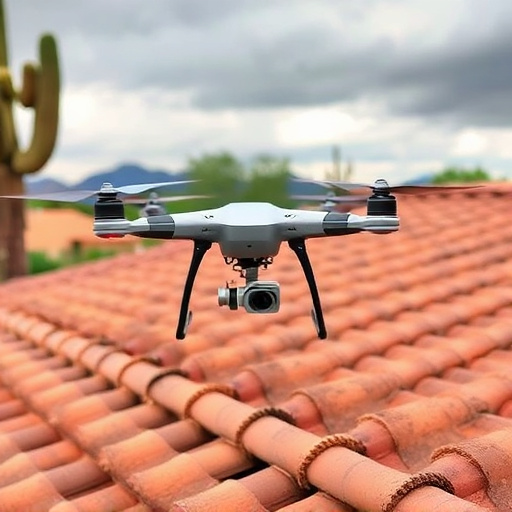
When preparing your Tucson roof for monsoon season, one critical decision is whether to opt for a drone or walk-on inspection. Both methods have their merits, but understanding their differences is key to ensuring your roof is in top condition.
Drone inspections offer a comprehensive view of your roof's entire surface, making them ideal for larger, more complex roofs. They can capture detailed images of hard-to-reach areas, detect early signs of UV damage, and even assess the condition of your roof's underlayment-all without causing disruption on the ground. This method is particularly valuable for historic homes in Vail, where preserving the roof's integrity is paramount. Drone inspections can provide a detailed roof certification for any real estate transactions, offering peace of mind for both sellers and buyers.
In contrast, walk-on inspections are more hands-on and suitable for smaller, accessible roofs. They allow for a thorough inspection of every element, from the tiles to the flashings, and can be performed by a seasoned local Tucson roofing company. Walk-ons are essential for identifying issues like missing or damaged shingles, improper drainage, or signs of water intrusion, which could lead to costly home warranty roof claims. However, they may not be as efficient as drone inspections for large properties or those with challenging topographies.
The choice between drone and walk-on inspections depends on your roof's size, accessibility, and your specific concerns. A local Tucson roofing company can guide you in making this decision. After all, a well-timed inspection can save you from costly repairs down the line, ensuring your roof stands strong against the challenges of monsoon season and beyond.
Post-Monsoon Assessment: Comparing Drone and Walk-On Techniques

After a monsoon season, assessing your Tucson roof's condition is crucial. This post-monsoon inspection, particularly comparing drone and walk-on techniques, can reveal hidden damage or wear and tear. Monsoon storms bring intense rain and strong winds, creating ideal conditions for leaks, ceiling stains, and other issues. A licensed Arizona roofer recommends examining your roof thoroughly, as some damage may not be immediately apparent.
Drone inspections offer a non-invasive, efficient way to survey hard-to-reach areas and the entire roof surface. They provide detailed, bird's-eye views, allowing for a comprehensive assessment of roof penetrations, valleys, and gutters. However, a drone inspection may not always detect subtle issues like ceiling stains or slight cracks in the tile, which require a closer look. On the other hand, a walk-on inspection enables a qualified roofer to physically inspect every corner, including the roof's perimeter, flashings, and roof penetrations in areas like the Vail. This up-close approach can uncover issues like loose or damaged shingles, underlayment problems, or signs of previous repairs.
The choice between drone and walk-on depends on your roof's condition, accessibility, and the scope of the inspection. A drone might be ideal for a large, flat roof with no significant structural issues, while a walk-on inspection is more suitable for older homes with potential ceiling stain problems or areas needing repair. Many roofers offer a combination of both, providing a thorough assessment tailored to your specific needs. After a monsoon, a professional inspection can ensure your roof is in top condition, preventing costly repairs or home damage down the line.
Year-End Roof Check: Best Practices for Tucson Homeowners
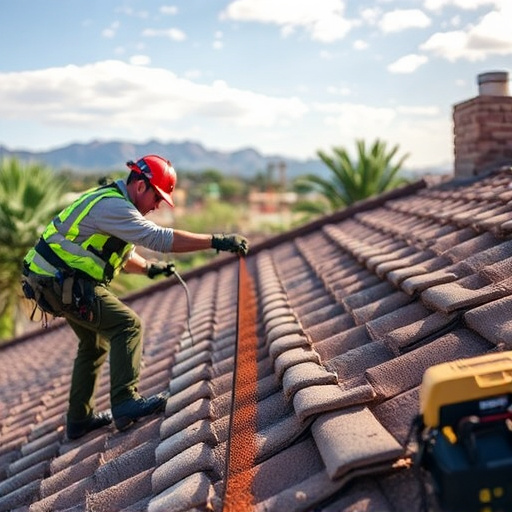
As the monsoon season approaches, Tucson homeowners should turn their attention to a critical aspect of property maintenance: the year-end roof check. This seasonal inspection is crucial for identifying potential issues and ensuring your roof is in top condition to withstand the challenges of the coming months. Unlike some regions, Tucson faces unique weather patterns, including intense summer heat and occasional dust storms, which can accelerate roof deterioration. Therefore, a comprehensive inspection strategy is essential.
One of the key decisions homeowners face is choosing between a traditional, walk-on roof inspection and a drone-assisted assessment. Drone inspections offer several advantages, especially in the Tucson area. They provide a detailed, bird's-eye view of the entire roof surface, allowing experts to identify issues like missing or damaged tiles, flashing problems, or signs of water intrusion from a unique perspective. This method is particularly beneficial for flat roofs or properties with complex roof lines, ensuring every nook and cranny is examined. Drones can access areas that are difficult for inspectors to reach on foot, enhancing safety and efficiency.
After the initial inspection, a detailed report should be generated. This document is invaluable for homeowners, as it provides a clear picture of the roof's condition, identifies necessary repairs, and estimates the remaining lifespan. A report might highlight minor leaks around the flashing, recommend a foam roof coating to extend the roof's life, or indicate the need for a complete replacement. Homeowners can then use this information to make informed decisions, whether it's pursuing a home warranty claim, negotiating with insurance companies for a policy renewal, or planning for a future roof replacement.
In Oro Valley and the surrounding areas, a licensed Arizona roofer with an ROC license can assist with these year-end checks. They can provide expert insights, ensuring that any issues are identified early, and offer tailored solutions. Regular, seasonal inspections are an investment in your home's longevity and can save you from costly repairs down the line. By embracing modern tools like drones and adhering to local building codes, Tucson homeowners can maintain the integrity of their roofs, even in challenging climates.
Frequently Asked Questions About seasonal advice on inspecting a Tucson roof before and after monsoon season
What is the best time to inspect my Tucson roof before monsoon season?
The best time to inspect your Tucson roof before monsoon season is in the spring, ideally in April or May. This allows for any necessary repairs to be made before the heavy rainfall and strong winds associated with the monsoon. A professional Tucson roofer with an Arizona ROC license can help you schedule a thorough inspection that checks for loose or damaged shingles, flashing issues, and structural integrity.
How often should I have my roof inspected?
It's recommended to have your roof inspected at least once a year, or twice if it's an older roof. Regular inspections, especially before and after monsoon season, are crucial for identifying and addressing potential issues early on. This proactive approach saves money in the long run by preventing small problems from becoming costly repairs.
What should I look for during a monsoon-related roof inspection?
During a monsoon-related roof inspection, focus on signs of water intrusion, such as discolored or peeling paint, mold growth, or visible stains on ceilings and walls. Also, check for loose or missing shingles, as well as the condition of the gutters and downspouts. A licensed Tucson roof inspector will look for these and other issues that could compromise the roof's integrity during heavy rainfall.
Will monsoon season cause damage to my roof?
Monsoon season can indeed cause damage to your roof. The intense rainfall, high winds, and lightning strikes can lead to missing or damaged shingles, leaks, and even structural failure. Regular inspections and prompt repairs can mitigate these risks. DC Roofing of Arizona, a local Tucson roofing company, advises clients to be proactive in maintaining their roofs during monsoon season.
How do I prepare my roof for monsoon season?
Preparing your roof for monsoon season involves several steps. These include clearing gutters and downspouts of debris to ensure proper water flow, securing loose shingles or gutters, and sealing any potential entry points for water. A Tucson roofer can provide specific recommendations based on your roof's condition and age.
What should I do if I notice damage after monsoon season?
If you notice damage to your roof after monsoon season, contact a licensed Arizona roofer immediately. Document the damage with photos and reach out to your home insurance provider. A professional Tucson roofing contractor can assess the damage and guide you through the repair process, ensuring your roof is secure and weather-ready for the next season.
Are there any specific safety precautions for inspecting a roof during monsoon season?
While inspecting a roof during monsoon season, prioritize safety by wearing appropriate protective gear, including a hard hat and non-slip shoes. Avoid climbing on the roof during active storms and stay away from tall structures or trees that could fall. If the inspection reveals significant damage, it's best to wait until the weather clears to conduct a thorough assessment and make repairs.
As Tucson's monsoon season approaches, it's crucial to understand the best practices for roof inspection, whether you're preparing your home for potential weather events or conducting a post-season assessment. This article has explored the advantages of both drone and walk-on inspection techniques, highlighting their unique benefits and applications.
Drone inspections offer a comprehensive view of your roof, allowing for quick and efficient data collection, especially in hard-to-reach areas. This technology is invaluable for large commercial properties or homes with extensive roofing systems. On the other hand, walk-on inspections provide a more detailed, hands-on approach, ideal for examining specific areas of concern, such as tile underlayment or flat roof drainage systems.
When conducting post-monsoon assessments, a combination of these methods is often the most effective strategy. A drone can swiftly survey the entire roof, identifying any potential issues, while a thorough walk-on inspection ensures a deeper examine critical components. This dual-approach ensures a comprehensive understanding of your roof's condition, enabling homeowners to make informed decisions, negotiate inspection results, and even anticipate future repairs or replacements.
To ensure your roof's longevity, regular annual checks are essential. Implement a year-end roof inspection routine, taking advantage of the calmer post-monsoon period. This proactive maintenance will help you stay ahead of potential problems, ensuring your home is protected and that any issues are addressed early. By following these seasonal guidelines and utilizing both drone and walk-on inspections, Tucson homeowners can extend their roof's life and maintain the safety and integrity of their properties.
Tucson Roof Inspection: Drone vs. Walk-On for Monsoon Season
After monsoon season, inspect your Tucson roof with a licensed roofer. Choose between drone or walk-on inspections based on:
- Roof size and accessibility (drones ideal for large, complex roofs; walk-ons for smaller, accessible ones).
- Specific concerns (drones detect UV damage, underlayment issues; walk-ons find subtle damage, loose shingles).
Both methods offer insights into:
- Structural integrity
- Potential water damage
- Required repairs
- Roof lifespan
A detailed report helps with:
- Home warranty claims
- Insurance negotiations
- Future planning
Regular, seasonal inspections extend your roof's life and save on costly repairs. Consult a local Tucson roofing company with an Arizona ROC license for expert guidance.