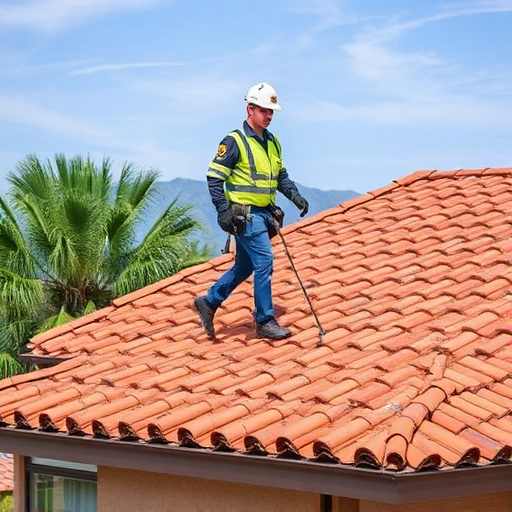
As homeowners in Tucson, we face unique challenges for our roofs. The desert climate brings extreme temperatures, intense sunlight, and occasional severe weather events like dust storms and monsoons. These factors can accelerate the wear and tear on roofing materials, making regular inspections crucial. However, professional inspections aren't always possible every month. This is where homeowners can take an active role in maintaining their roof's health.
By learning to spot common roof problems-from missing tiles and damaged underlayment to signs of moisture intrusion-you can prepare for professional inspections, ensure your home's protection, and even extend the life of your roof. This article provides a comprehensive homeowner checklist, along with insights into reading a roof inspection report, empowering you to effectively monitor your roof's condition in the interim between professional assessments.
- Understanding Common Desert Roof Issues
- Interpreting Your Roof Inspection Report
- Regular Maintenance Checks: What to Look For
Understanding Common Desert Roof Issues
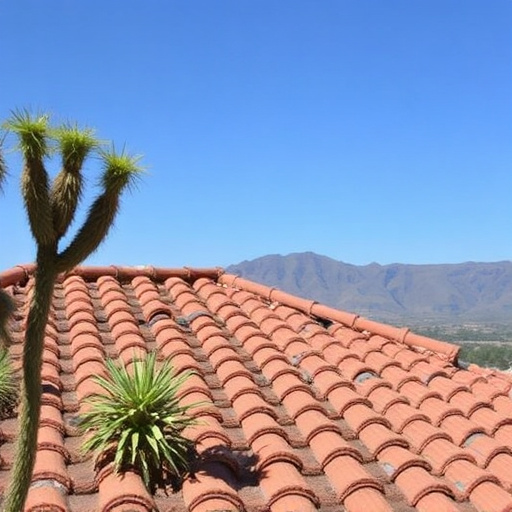
In the arid desert climate, homeowners face unique challenges for roof maintenance. This environment can accelerate the deterioration of roofing materials, making it crucial to be vigilant about potential issues. By understanding the common desert roof problems, you can better prepare for professional inspections and even spot issues between them.
The desert sun and extreme temperatures can take a toll on roofing systems. One of the primary concerns is the integrity of the underlayment, which acts as a crucial barrier between the roof and the elements. Over time, underlayment can become damaged, dried out, or compressed, leading to leaks and structural weaknesses. An infrared scan, a technology used by advanced roof inspectors, can help identify these issues by detecting temperature variations indicative of problem areas.
Another common issue in desert climates is the buildup of moisture, often caused by poor ventilation or prolonged periods of high humidity. This moisture can lead to mold, mildew, and wood rot, which not only compromise the structural integrity of the roof but also pose health risks to homeowners. A thorough inspection should include a detailed look at the attic and ceiling for signs of moisture intrusion, as well as a check for adequate ventilation.
When reading a roof inspection report, pay close attention to the condition of the roof's coating, especially foam roof coatings. These coatings are designed to reflect heat, reduce cooling costs, and extend the roof's lifespan. However, in the desert climate, they can become brittle and crack, leading to increased vulnerability to damage from wind and dust storms. A local Tucson roofing company's expertise in these unique challenges can be invaluable in ensuring your roof's longevity.
Regular inspections, ideally before and after monsoon seasons and after extreme weather events like dust storms, are crucial. These checks should be complemented by proactive maintenance, such as cleaning gutters and drains to prevent water damage and ensuring all equipment, including swamp coolers, are in top condition. By adopting these practices, homeowners can significantly extend the lifespan of their roofs and avoid costly repairs.
Interpreting Your Roof Inspection Report

As a homeowner, it's crucial to understand your roof inspection report, especially between professional assessments. This is your guide to deciphering the findings and identifying potential issues in your desert home's most vital protective layer.
A detailed report should include a comprehensive overview of your roof's condition. Start by scrutinizing the section on roof valleys. These areas, where two roof planes meet, are vulnerable to leaks and water damage. An experienced Tucson roof inspector will note any signs of water pooling, debris buildup, or cracking. Cracked tiles are another red flag, especially in our climate where extreme heat can cause them to expand and break. Look for both individual tiles and those in the underlayment (the layer beneath the shingles) showing signs of wear or damage. Coating wear is also critical; a protective coating on your roof helps reflect heat and prevent degradation. The report should mention if this coating is intact or showing signs of blisters, peeling, or flaking.
Pay close attention to the details in the report, as they can signal potential problems. If the inspector notes multiple tiles that have come loose or are missing, this could indicate a more significant issue. Similarly, if there's evidence of water intrusion or persistent leaks, these should be addressed promptly. Regularly checking your roof for these signs between inspections can help you stay proactive about maintenance. Remember, a well-maintained roof can significantly impact the overall integrity of your home, so staying informed is key.
Regular Maintenance Checks: What to Look For

Regular maintenance checks between professional inspections are crucial for homeowners in the desert climate, where extreme temperatures and unpredictable weather patterns can accelerate roof damage. While a detailed roof inspection report from a licensed Arizona roofer provides a comprehensive snapshot of your roof's condition, staying vigilant between visits is essential. Here's a homeowner checklist that focuses on what to look for during regular maintenance checks, drawing insights from drone photos and inspection reports.
Start by examining the exterior of your home, paying close attention to the roof's overall appearance. Look for any signs of missing, damaged, or curled shingles, which could indicate exposure to harsh elements. Check for loose or missing flashing, especially around chimneys and vents, as this can lead to leaks. In the desert, heat can cause shingles to shrink, so ensure there are no gaps between shingles and the underlayment. Keep an eye out for water stains or mold on the exterior walls, which could signal a problem with drainage or ventilation.
Next, venture into the attic and check the condition of the insulation and ventilation. Insufficient insulation or blocked vents can lead to excessive heat build-up, causing the shingles to deteriorate faster. Look for signs of water damage, such as discolored or mushy insulation, which could indicate a leak. Many inspection reports highlight the importance of proper ventilation, so refer to these reports to understand the ideal ventilation setup for your roof. Inspect the roof's drainage system, ensuring gutters and downspouts are clear of debris and functioning properly to direct rainwater away from the foundation.
Regularly reviewing drone photos taken during professional inspections can help you track changes over time. Look for signs of unusual wear, such as concentrated areas of damage or differences in the color and texture of the shingles. These could be indicators of underlying issues that a detailed inspection report would uncover. Remember, a well-maintained roof not only protects your home from the elements but also contributes to energy efficiency. By incorporating these maintenance checks into your routine, you'll be better prepared to address potential roof problems before they escalate.
Frequently Asked Questions About a homeowner checklist for spotting roof problems between professional inspections in the desert climate
What is the primary purpose of a homeowner checklist for roof problems? The checklist serves as your eye in the sky, enabling you to detect potential issues between professional inspections. It focuses on visible signs, like missing or damaged shingles, leaks, and unusual discoloration, crucial for proactive maintenance in the harsh desert climate.
How often should I conduct a visual inspection of my roof? While professional inspections are recommended annually, a visual check by you, the homeowner, can occur bi-annually. Look for changes during significant weather events and any time you notice unusual sounds. Regular, thorough inspections are key, especially in the desert where extreme heat and storms can accelerate damage.
What are some common signs of roof damage to look out for? Look for missing, curled, or cracked shingles, especially along the edges. Leaks, visible from inside your home or through a ceiling, and dark, discolored patches indicating mold growth are serious. Also, pay attention to strange noises during storms, which could signal structural weakness.
Can I identify a leak without entering my attic? While attic access is ideal for thorough inspections, leaks can be detected from the exterior. Look for water stains on your ceiling or walls, especially around light fixtures. Check for granule clumps in gutters or downspouts, a sign of a leaking roof.
What should I do if I find a small leak or damage? Small issues can often be repaired by a skilled DIYer. Use a patch kit for minor leaks, replacing shingles as needed. For larger damage, contact a licensed professional. Prompt action prevents minor problems from escalating into costly repairs.
How do desert conditions impact roof longevity? The desert climate presents unique challenges: intense UV radiation accelerates shingle wear, and extreme temperature fluctuations can cause metal components to expand and contract, leading to leaks. Regular inspections and maintenance are essential to prolong the life of your roof.
When should I call a professional for roof inspection? Beyond annual professional inspections, call a specialist immediately if you suspect severe damage, a large leak, or if your roof shows signs of structural failure. Safety is paramount, and only a qualified professional can accurately assess complex issues.
As homeowners in Tucson's desert climate, it's crucial to be vigilant about your roof's health between professional inspections. By understanding common desert roof issues, interpreting your roof inspection report, and performing regular maintenance checks, you can catch potential problems early. Reading a roof inspection report is key to identifying issues and understanding the extent of necessary repairs. Regular checks should include inspecting for missing or damaged shingles, checking the condition of the underlayment, and examining the drainage system to prevent water damage. Be aware of signs of moisture or leaks, especially after extreme weather events or when replacing appliances like swamp coolers. Remember, proactive measures can save you time and money in the long run, ensuring your home remains protected under the sunny Tucson sky.
In arid climates like Tucson, homeowners face unique roof challenges from extreme temperatures and elements. Regular inspections and maintenance are crucial. Look for underlayment damage, moisture buildup, and coating wear when reading reports. Check roof valleys, tiles, and underlayment for signs of wear. Stay vigilant between inspections by examining exterior, attic, and drainage systems. Use drone photos to track changes over time. Proactive maintenance extends roof lifespan and prevents costly repairs.