The roof is often considered a home's first line of defense against the elements, and its integrity is crucial for energy efficiency and safety. In Tucson, with its unique climate and diverse roofing options-tile, foam, shingle, and flat roofs-understanding the inspection process is vital for homeowners and renters alike, especially when considering a sale or purchase. This article examines the specifics of roof inspections, focusing on mobile home roofs, a common sight in the area. We'll explore how these inspections differ, the key elements assessed, and the experts who conduct them, ensuring a thorough and informative guide for anyone navigating Tucson's roofing landscape.
- Understanding Tucson's Roof Types: Tile, Foam, Shingle, Flat
- Mobile Home Roof Inspection: Tools, Techniques, and Regulations
- Step-by-Step Guide: Inspecting Each Roof Style for Quality Assurance
Understanding Tucson's Roof Types: Tile, Foam, Shingle, Flat
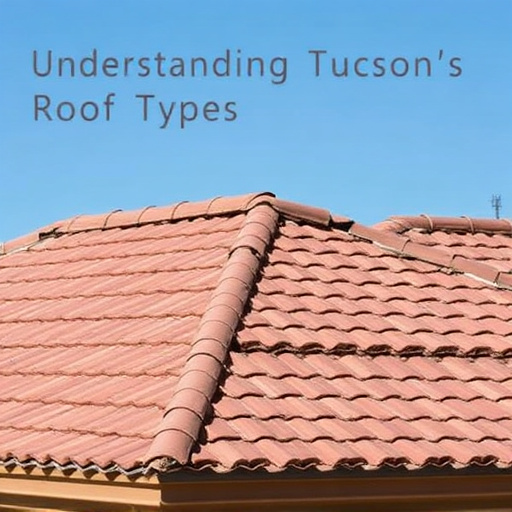
Tucson's diverse climate and architectural styles present a unique challenge for roof inspections. The region's most common roof types-tile, foam, shingle, and flat-each require specific considerations. Tile roofs, popular for their aesthetic appeal, demand meticulous care, especially with slipped tiles and scuppers, which are crucial for proper water drainage. An experienced Tucson roof inspector will scrutinize these elements, ensuring the roof's longevity and structural integrity.
Foam roofs, known for their insulation and energy efficiency, offer a contrasting inspection set of tasks. Unlike other materials, foam requires careful moisture detection for leaks, as it can be sensitive to water damage. Commercial and mobile home roof inspections in Tucson often involve assessing these foam layers, ensuring they remain intact and well-protected. In contrast, shingle roofs, common across the region, necessitate close attention to nail penetration and overall structural soundness. An inspector will look for signs of wear, especially after harsh weather events, to predict the remaining roof life.
Flat roofs, while less common, present unique challenges. They demand thorough drainage checks, including the functionality of parapet walls, to prevent water accumulation and potential damage. Post-installation or repair inspections are crucial for these roofs, especially after the removal of swamp coolers or in the pre-monsoon season. Insurance renewal inspections play a vital role in these scenarios, as they ensure compliance with local building codes and help protect both the homeowner and the insurer. An expert Tucson roofer with an Arizona ROC license can provide invaluable insights during such assessments, ensuring a safe and secure roof for any property type, from historic homes to mobile residences.
Mobile Home Roof Inspection: Tools, Techniques, and Regulations
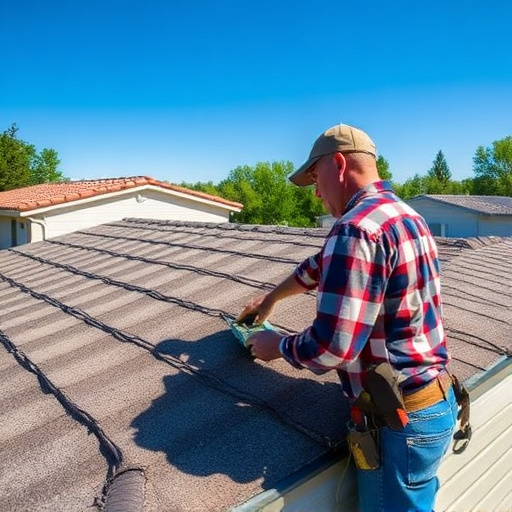
In Tucson, mobile home roofs, like all roofs, require regular and thorough inspections to ensure safety, longevity, and compliance with local building codes. A licensed Tucson roofer with an Arizona ROC license will utilize specific tools and techniques tailored to the unique challenges of these structures. Unlike traditional homes, mobile homes often have a lower pitch and a different underlayment system, necessitating specialized knowledge and equipment to assess effectively.
The inspection process begins with a visual examination, where the roofer looks for signs of damage, leaks, or moisture intrusion. This includes checking the condition of vents, which are crucial for airflow and can be vulnerable to damage, especially in desert climates like Tucson's. A visual assessment is often followed by the use of advanced tools. A moisture meter, for instance, helps identify areas with elevated humidity levels, indicating potential water penetration or mold growth. For mobile homes, where access to the attic and ceiling is easier than in traditional structures, a thorough inspection of these areas is essential. Infrared scans, for example, can detect heat anomalies that might suggest hidden leaks or insulation issues.
Regular inspections, typically recommended every 2 to 3 years, are crucial for mobile home owners. These inspections not only help in maintaining the integrity of the roof but also support insurance claims and warranty programs offered by home manufacturers. A Tucson roofer with an Arizona ROC license will provide a detailed report outlining the roof's condition, any necessary repairs, and recommendations for future maintenance. This report becomes invaluable when selling the mobile home, as it certifies the roof's remaining life and minimizes disputes with potential buyers. By adhering to local building codes and industry best practices, homeowners can ensure their mobile homes remain safe and secure for years to come.
Step-by-Step Guide: Inspecting Each Roof Style for Quality Assurance
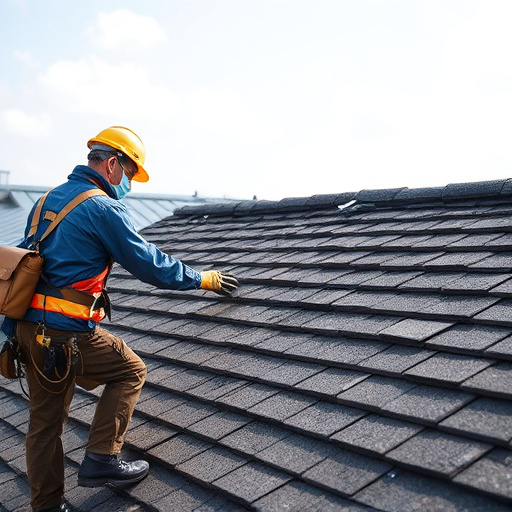
When purchasing or selling a home in Tucson, a thorough roof inspection is crucial, regardless of the roofing material. DC Roofing of Arizona, a licensed Tucson roofing contractor, understands the unique challenges each roof style presents. Here's a breakdown of how we approach inspections for tile, foam, shingle, and flat roofs, common in our area, ensuring meticulous quality assurance.
Tile Roof Inspection: Tile roofs require meticulous attention to detail. We inspect for proper nailing patterns, adequate tile overlap, and secure underlayment. We also check for signs of cracking, peeling, or missing tiles, looking closely at the grout lines for any moisture intrusion. To a visual assessment, we often utilize drone technology to capture a comprehensive aerial view, enabling us to identify potential issues not readily apparent from the ground.
Foam Roof Coating Check: Foam roofs offer excellent insulation and durability, but they are susceptible to coating wear and tear from UV exposure and weather patterns common in Vail. We scrutinize the foam for any signs of blistering, peeling, or loss of adhesive, which could indicate underlying structural problems. We also verify the integrity of the topcoat, looking for cracks or gaps that could compromise the roof's water-tightness.
Shingle Roof Inspection: Shingle roofs, a popular choice in Tucson, require careful examination for missing or loose shingles, splits, or curled shingles. We check for proper alignment and overlap, ensuring no exposed underlayment. We inspect the roof's drainage system, making sure shingles are not obstructing gutters or downspouts, which could lead to water damage and leaks.
Flat Roof Drainage Check: Flat roofs demand special attention due to their lack of slope. We look for blockages in drains and scups, ensuring proper water flow away from the structure. Cracks or bulges in the membrane are also checked, as they can signal structural compromise. In the case of mobile home roofs, we pay close attention to the roof's sealing around perimeter pens and vents to prevent moisture intrusion.
The Importance of Roof Certification: After meticulous inspection, we provide a detailed report outlining our findings. For real estate transactions, a roof certification from a licensed roofer like DC Roofing of Arizona is invaluable. This document ensures transparency and peace of mind for buyers and sellers, helping to avoid costly surprises related to roof repairs or replacements.
Frequently Asked Questions About a comparison of how tile, foam, shingle and flat roofs common in Tucson are inspected
What is the most common type of roof in Tucson?
Tucson, known for its sunny climate, often features flat roofs due to the region's arid environment. While tile, foam, and shingles are also used, flat roofs are more prevalent. This is because flat roofs offer easier installation and maintenance in the local conditions, with less risk of extreme weather damage.
How do you inspect a tile roof?
Tile roofs require careful inspection for cracks, broken or missing tiles, and proper flashing around vents and chimneys. An experienced Tucson roofer will also check the underlayment for damage or degradation and ensure proper drainage systems are in place to avoid water damage.
What should be considered when inspecting a foam roof?
Foam roofs, popular for their insulation properties, need close examination for signs of structural compromise, mold growth, or water penetration. Inspectors should look for intactness of the foam layer, any signs of damage from pests or weather, and proper sealing around vents and penetrations.
How do you inspect a shingle roof for damage?
Shingle roofs demand a thorough look for missing, curled, or loose shingles, as well as signs of water damage, like stains or peeling paint. Inspectors also assess the condition of the underlayment and flashing to ensure the roof is secure and water-tight.
Are there specific inspection requirements for flat roofs?
While flat roofs may appear simpler, they require meticulous inspection. Look for signs of water pooling, cracks in the membrane, damaged or missing flashing, and proper drainage systems. Given their low-sloped nature, even small issues can lead to significant problems, making thorough inspection crucial.
Who should conduct a roof inspection in Tucson?
A licensed Tucson roofer with expertise in the local climate and building codes should conduct roof inspections. They have the necessary tools and knowledge to assess each type of roof for potential issues, ensuring the safety and longevity of your Tucson property's roof.
Understanding the unique characteristics and inspection requirements of Tucson's prevalent roof types-tile, foam, shingle, and flat-is crucial for ensuring structural integrity and property value. This article has provided an in-depth look at each roof style, highlighting the importance of professional inspections, especially for mobile home roofs, which often require specialized tools and techniques. By following the step-by-step guide, homeowners and property managers can now effectively assess the condition of their roofs and make informed decisions. Regular pre-monsoon inspections are vital to detect potential damage from hail or wind, while moisture detection is key to preventing leaks and ensuring the longevity of any roof, whether historic or modern. The article's emphasis on local regulations, industry best practices, and practical tips equips readers with the knowledge to navigate the inspection process, negotiate results, and even anticipate future roof maintenance needs, ultimately enhancing the safety and value of their properties.
Tucson's diverse roofs (tile, foam, shingle, flat) require distinct inspections. Expert inspectors, like those at DC Roofing of Arizona, consider:
- Tile: Nail patterns, tile overlap, grout lines for moisture.
- Foam: Coating integrity, topcoat cracks, UV damage.
- Shingle: Shingle alignment, drainage, no exposed underlayment.
- Flat: Drainage checks, membrane cracks, perimeter sealing (mobile homes).
Regular mobile home roof inspections (every 2-3 years) are crucial for safety, insurance, and warranty. Inspections by a licensed roofer ensure compliance, maintain structural integrity, and support transactions.