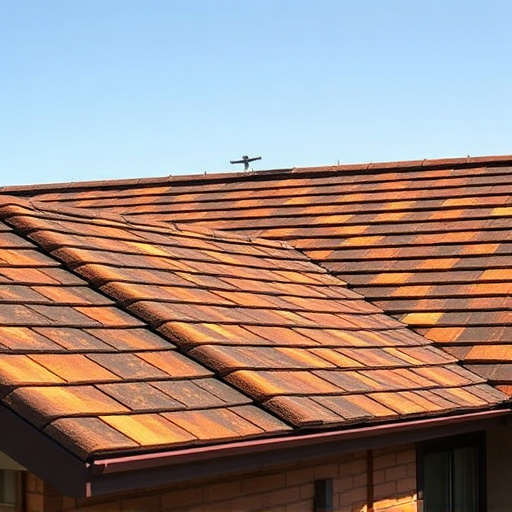
Roofing is a significant investment for Tucson homeowners, with repairs and replacements costing thousands of dollars. Understanding what a professional roof inspection entails is crucial for making informed decisions, especially when selling or purchasing a home. A comprehensive inspection can reveal hidden issues, from damaged underlayment to moisture intrusion, that could compromise the structure's integrity. This guide will walk you through the key components of a professional roof inspection in Tucson, including what to expect and how to interpret the findings, answering important questions for homeowners. By the end, you'll be equipped to make confident choices about your roof's health and longevity.
- Understanding a Professional Roof Inspection
- Decoding Inspector Findings: Common Issues & Next Steps
- Asking the Right Questions: Effective Communication with Inspectors
Understanding a Professional Roof Inspection
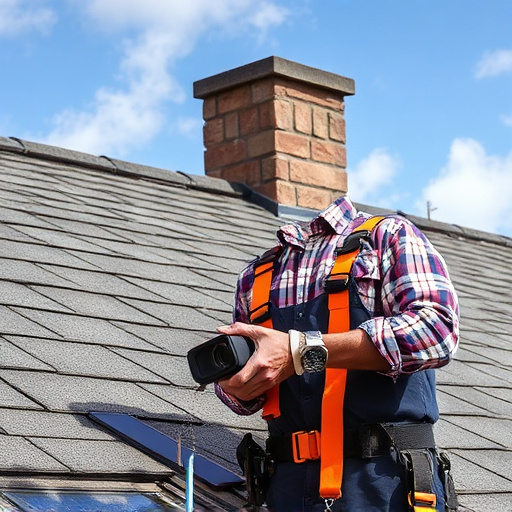
A professional roof inspection is a crucial step for Tucson homeowners, providing insights into the health and longevity of your roof. This in-depth evaluation goes beyond a quick visual assessment and involves a systematic examination of various elements that contribute to your roof's performance. During an inspection, a qualified roofer, like those at DC Roofing of Arizona, will meticulously scrutinize your roof's components to identify potential issues and ensure it meets safety standards and local building codes.
The process typically includes a thorough walk-on inspection, where the roofer examines the roof's surface, looking for signs of damage, missing or damaged shingles, and evidence of water intrusion. They will also check for proper drainage, ensuring water is diverted away from the structure. A key aspect is assessing the underlayment, a protective layer beneath the shingles, for any signs of wear, tears, or moisture damage. This is especially important in Tucson's climate, where intense sunlight and occasional monsoons can accelerate material degradation. Another critical element is checking the coating on the roof, which can indicate the remaining life of the shingles. Look for signs of cracking, flaking, or significant wear, as these may signal the need for a replacement.
Inside the home, the inspector will assess the attic and ceiling for signs of leaks or moisture damage, often indicated by stains or discolored spots. They may also check for proper ventilation, as inadequate airflow can lead to excessive heat build-up, causing shingles to deteriorate faster, especially during the region's hot summers. Questions for a roof inspector during this phase might include inquiries about ponding water, ceiling stains, or coating wear, all of which can provide valuable insights into the roof's overall condition. Understanding these findings empowers homeowners to make informed decisions regarding repairs, replacements, or even negotiating terms during a real estate transaction.
Decoding Inspector Findings: Common Issues & Next Steps

When deciphering a professional roof inspection report, Tucson homeowners often find themselves asking: what does it all mean? This section breaks down common issues and next steps based on findings from a comprehensive Tucson roof inspection. An experienced roofer with an Arizona ROC license will look for a variety of factors, including signs of UV damage in roof valleys, which can weaken the material over time.
One of the first things to understand is that these inspections are not one-size-fits-all. An inspector will consider local weather patterns, building codes, and the specific materials used in your roof. In our region, metal roofs may require special attention due to the intense UV radiation. They'll check for proper drainage systems, looking at flat roof drainage checks, to ensure water isn't pooling and causing damage. In areas prone to hail or wind, inspections will be more thorough, focusing on repairs or replacements after such events.
The inspection report will detail findings across several categories: structural integrity, materials, and potential issues. If moisture is detected, further investigation will be needed to rule out leaks, especially in historic homes where these issues can be more subtle. A professional inspector will also check the condition of underlayments, looking for signs of wear and tear. An older tile underlayment might show wear in high-traffic areas, indicating the need for a replacement. Homeowners should ask questions for a roof inspector to understand these findings and what they mean for the roof's remaining life span. After all, a well-maintained roof is essential for the safety and value of a home.
Asking the Right Questions: Effective Communication with Inspectors

Asking the right questions is crucial when working with a roof inspector. As a Tucson homeowner, understanding the scope of a professional inspection and what to expect can help you make informed decisions about your roof's health and longevity. A comprehensive inspection goes beyond visually assessing the shingles; it examines the intricate details of your roof's components, revealing potential issues that may go unnoticed to the untrained eye.
When engaging a licensed Tucson roofing contractor or inspector, prepare a list of questions to ensure a thorough evaluation. In areas like Marana, where weather patterns can vary, inquire about specific checks related to local conditions. Ask about the condition of the underlayment, as it matters in protecting the roof structure from moisture seepage, a common concern in our climate. Also, explore potential issues with roof penetrations, such as vents, chimneys, and plumbing fixtures, as these areas are more susceptible to leaks. A good inspector will provide insights into the remaining lifespan of your roof and offer recommendations for repairs or replacements based on their findings.
Effective communication fosters a collaborative environment. Don't hesitate to ask about their process, the tools they use, and the expertise behind their assessments. Understanding their methodology ensures you receive a detailed and accurate report. Questioning specific aspects of the inspection, such as the condition of the tile underlayment or the integrity of the flat roof drainage system, demonstrates your engagement in maintaining your home's value. Remember, a well-informed homeowner is better equipped to navigate the complexities of roof maintenance and repairs.
Frequently Asked Questions About a Practical Guide for Tucson Homeowners on What a Professional Roof Inspection Covers and What the Findings Mean
What is the purpose of a professional roof inspection in Tucson's desert climate?
A professional roof inspection is crucial in Tucson's harsh desert environment, where extreme heat, strong winds, and occasional hail storms can take a toll on roofing. The primary goal is to assess the overall condition of your roof, identify potential issues, and determine if repairs or replacements are needed. This inspection provides valuable insights into your roof's health, helping you make informed decisions about its maintenance and longevity.
What types of issues does a professional roofer look for during an inspection?
Roofers trained to inspect for various issues, including missing or damaged shingles, flashing problems, signs of water intrusion, decay or mold growth, and structural weaknesses. They also evaluate the roof's drainage and ventilation systems, ensuring water doesn't pool on the surface and that the roof is properly ventilated to prevent heat buildup.
How often should I have a professional roof inspection in Tucson?
Most Tucson homeowners should schedule a professional roof inspection at least once every three years. However, if you live in an area prone to severe weather events, if your roof is older than 20 years, or if you've had previous roof issues, consider having it inspected annually.
What should I expect during a professional roof inspection?
During the inspection, the roofer will visually examine the entire roof structure, using specialized equipment to climb and access hard-to-reach areas. They'll look for visible signs of damage and take measurements, photos, and notes. After the inspection, they'll provide you with a detailed report outlining their findings, potential issues, and recommended actions.
What does a typical roof inspection report look like?
A comprehensive roof inspection report includes a detailed description of the roof's condition, photographs of any identified issues, and a summary of the roofer's findings. It will outline specific problems, such as missing shingles, damaged flashing, or areas of flashing that need sealing. It will also include recommendations for repairs or replacements, along with estimated costs.
Can I understand a roof inspection report without being a roofing expert?
Absolutely. A good inspection report should be clear, concise, and easy to understand, even for non-experts. The roofer should explain each finding and the recommended actions in plain language, ensuring you have a complete understanding of your roof's condition and next steps.
What happens if the inspection reveals serious damage to my roof?
If serious damage is discovered, the roofer will discuss repair or replacement options with you, providing detailed estimates and timelines. In cases of extensive damage, a replacement roof might be the best and most cost-effective solution in Tucson's desert climate.
As homeowners in Tucson, understanding what a professional roof inspection entails is crucial for maintaining your property's integrity. This article has provided a practical guide to decoding the findings of such inspections, offering insights into common issues and clear next steps. By asking the right questions, you can effectively communicate with roof inspectors, ensuring a thorough evaluation of your home's roof. Key takeaways include the importance of regular inspections, especially pre-monsoon and after extreme weather events, to mitigate damage. Understanding the inspection process for unique roofing types, such as historic homes or mobile homes, is essential. With these practical knowledge points, Tucson homeowners are now better equipped to navigate roof inspection, negotiate findings, and make informed decisions for their properties, ensuring peace of mind and a secure living environment.
A professional roof inspection in Tucson involves a detailed evaluation of your roof's health, going beyond visual assessments. Qualified roofers, like those at DC Roofing of Arizona, check for issues like damaged shingles, water intrusion, and underlayment wear, crucial in the region's climate. The process includes attic and ceiling checks for leaks and proper ventilation. Understanding the report requires asking relevant questions about local conditions, underlayment health, and roof lifespan. Effective communication ensures a thorough, accurate inspection, empowering homeowners to make informed decisions.