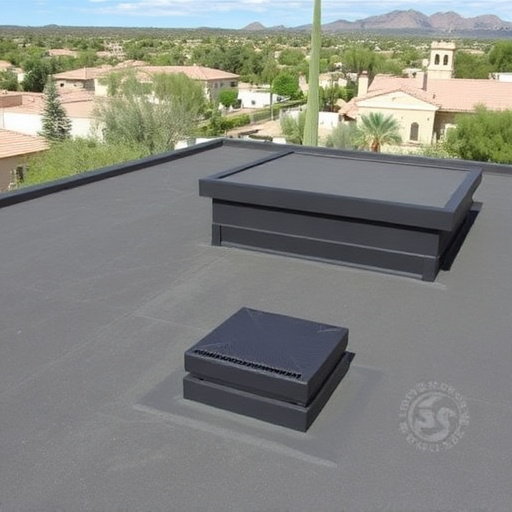
In the arid climate of Tucson, a roof inspection is not just a routine maintenance task-it's a critical step for homeowners looking to protect their investment. As the monsoon season approaches, the local weather patterns change, bringing the potential for hail, wind, and other extreme conditions that can impact your roof's integrity. This seasonal shift underscores the need for a thorough pre-monsoon inspection to identify and address vulnerabilities before they escalate. A proper post-monsoon assessment, likewise, is crucial for certifying a roof's condition, especially if you're considering selling your property, as it can significantly influence a buyer's decision. This article provides expert guidance on navigating these inspections, ensuring your Tucson roof is in its best shape for the challenges-and opportunities-that the monsoon season brings.
- Understanding Monsoon Season's Impact on Your Roof
- Pre-Monsoon Roof Inspection: What to Look For
- Post-Monsoon: Ensuring Roof Certification for a Safe Sale
Understanding Monsoon Season's Impact on Your Roof
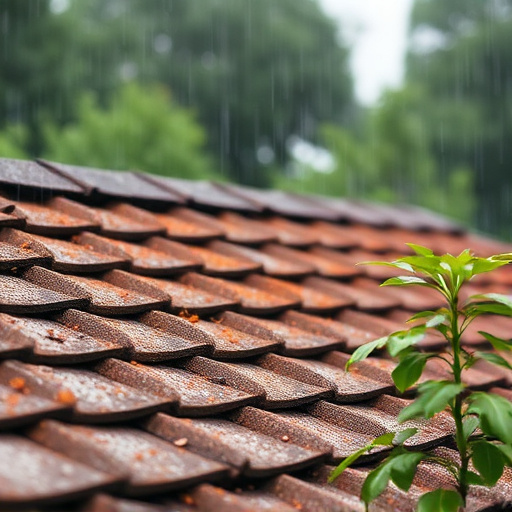
Monsoon season in Tucson brings unique challenges for homeowners, particularly for roof health and integrity. Understanding the impact of this weather pattern is crucial for anyone considering a roof inspection, especially before a potential sale. As a licensed Tucson roofing contractor, we've witnessed firsthand the effects of monsoon on area roofs, from slipped tiles to structural damage. This seasonal phenomenon requires a specific set of eyes to assess your roof's condition accurately.
During monsoon, intense rainfall and powerful winds can expose even the sturdiest of roofs to significant strain. High winds can dislodge loose shingles or metal panels, while heavy rainfall can lead to water intrusion and damage to underlayment. In the Vail area, where monsoon conditions can be particularly intense, slipped tiles and damaged underlayment are common issues we address. A roof inspection before the monsoon season is essential to catch these problems early. It involves a thorough examination of the roof's exterior, interior, and all components, including the drainage system and flashing.
For a roof certification for a sale, it's crucial to assess the roof's remaining life and any potential issues that could affect its performance in the coming months. We advise homeowners to be proactive and schedule an inspection well before the monsoon season hits. This allows for necessary repairs to be made, providing peace of mind and potentially preventing costly damage. By understanding the impact of monsoon and the specific checks involved in a roof inspection, Tucson property owners can ensure their homes remain protected throughout the season.
Pre-Monsoon Roof Inspection: What to Look For
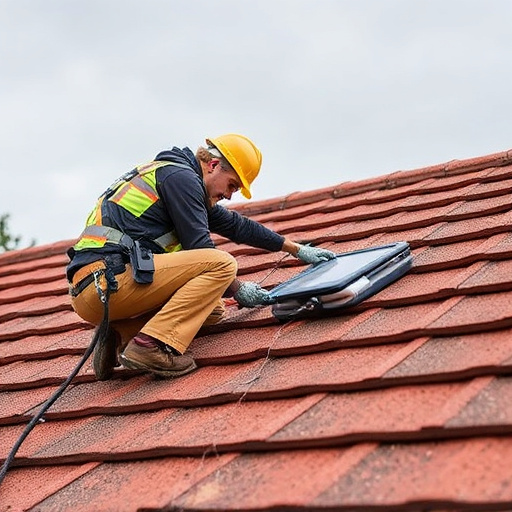
A pre-monsoon roof inspection in Tucson is crucial to ensure your property is protected from the region's distinct weather patterns. Monsoon season brings intense rainfall, powerful winds, and sudden storms, all of which can expose vulnerabilities in your roof. Before the heavy rains start, a thorough assessment by a licensed Arizona roofer can identify potential issues, saving you time, money, and potential damage. This inspection should cover several key areas.
Focus first on the roof valleys, those channels where rainwater flows. Look for any signs of clogging, as debris buildup can lead to water overflow and damage. Ensure scuppers-the small openings designed to drain water from the roof-are clear and functional. Blocked scuppers can cause water to pool, leading to leaks and rot. Pay close attention to the coating on your roof, as monsoon season can accelerate wear and tear. Look for chips, cracks, or peeling, especially in areas prone to high wind and direct sunlight. Regular coating wear is normal, but significant deterioration could indicate a need for repair or replacement.
During this inspection, don't overlook the attic and ceiling below. Look for signs of moisture or mold growth, which can be indicators of leaks. Check for proper ventilation, as hot summer air can cause the attic to heat up, leading to increased moisture buildup. Lastly, a pre-monsoon inspection is an ideal time to discuss any needed repairs or upgrades with a roofing contractor, as it can be easier and more cost-effective to address issues before the season begins. This proactive step is essential for roof certification when selling a home or ensuring the longevity of your property's most crucial defense against the elements.
Post-Monsoon: Ensuring Roof Certification for a Safe Sale
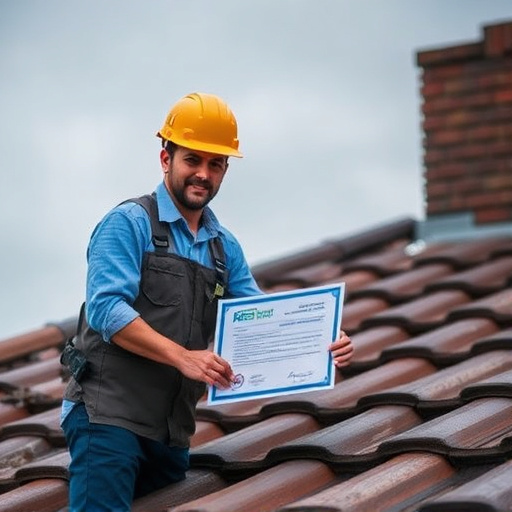
After the monsoon season, it's crucial to conduct a thorough roof inspection to ensure a safe and sound roof for your property. In Tucson, where extreme weather conditions can leave their mark, a post-monsoon inspection matters in roof certification for a sale. This is especially important for homeowners looking to sell their properties, as it can make or break a deal.
One of the primary concerns during this time is the potential for slipped tiles and damaged parapets. Monsoon-related high winds and intense rainfall can cause these components to weaken or become detached, posing significant safety risks. A licensed Arizona roofer will assess these areas meticulously, checking for any loose or missing tiles, corroded fastenings, or signs of water intrusion. They will inspect the roof's underlayment, ensuring it remains intact and protected from the elements. The inspection report will detail these findings, allowing for informed decisions regarding necessary repairs.
To guarantee a smooth sale, it's essential to address any issues before they escalate. If the inspection reveals slipped tiles, a professional roofer can replace them promptly, ensuring the roof's structural integrity. They can also recommend and install foam roof coatings to protect against future water damage, a common concern in the region's arid climate. By addressing these matters, you not only enhance the safety and appeal of the property but also provide potential buyers with peace of mind, which is invaluable in the real estate market.
Frequently Asked Questions About Seasonal Advice on Inspecting a Tucson Roof Before and After Monsoon Season
What should I look for during a pre-monsoon roof inspection in Tucson?
Before the monsoon season, focus on signs of damage from the previous year, especially after severe winter storms. Check for loose or missing shingles, flashing damage, and rust on metal components. Inspect for water stains, mold, or mildew on the interior ceiling and walls. Look for weak or damaged underlayment, as well as any signs of pest infestation like termite damage. A thorough pre-monsoon inspection helps identify issues that could lead to costly leaks during heavy rainfall.
How often should I have my roof inspected in Tucson?
For homes in Tucson, it's recommended to have a professional roof inspection at least once a year, ideally before monsoon season and after winter storms. This helps catch any damage early, ensuring repairs can be made before severe weather events. Regular inspections also allow for the monitoring of the roof's overall condition, including its lifespan and need for replacement.
What are the most common issues found during post-monsoon roof inspections?
Post-monsoon inspections often reveal several common issues. Heavy rainfall can lead to leaks, flashings, and valley repairs. Shingles may be damaged or missing, and underlayment can become saturated, leading to mold and mildew growth. Termite and pest damage can also be more apparent after monsoon season. A post-monsoon inspection helps identify these issues so they can be addressed before the next rainy season.
Can I do a roof inspection myself, or should I hire a professional?
While a visual inspection of your roof is possible, it's strongly recommended to hire a licensed roofing professional for a thorough and safe assessment. Roofers have the necessary tools, training, and access to areas often impossible to reach for a layperson. They can also provide expert advice and solutions, ensuring your roof is in optimal condition to withstand the local climate, including monsoon storms.
What should I do if I notice water stains on my ceiling after monsoon?
If you notice water stains on your ceiling after monsoon, don't delay. Contact a licensed roofer immediately to inspect and assess the damage. Water stains can indicate leaks, which, left unaddressed, can cause further damage to your home's interior. A professional will be able to locate the source of the leak, make necessary repairs, and prevent further issues.
How can I protect my roof from monsoon damage?
Protecting your roof from monsoon damage involves regular maintenance and proactive measures. Keep gutters clear of debris to prevent water overflow. Ensure all flashings are secure and in good condition. Regularly inspect and repair any damaged shingles or underlayment. Consider applying a reflective coating to reduce heat absorption and help shed water. Finally, stay informed about local weather forecasts to be prepared for potential storms.
What should I do if my roof is damaged during monsoon?
If your roof is damaged during monsoon, safety should be your top priority. Avoid walking on a damaged roof, especially if there is heavy rain or strong winds. Contact a licensed roofing contractor immediately to assess the damage and provide a solution. Prompt action can prevent further damage and ensure your home remains protected from the elements.
As Tucson's monsoon season approaches, it's crucial to prepare your roof for the unique challenges it presents. By understanding the impact of intense rainfall and high winds, you can ensure a thorough pre-monsoon inspection that uncovers potential issues. This proactive approach allows for timely repairs, extending your roof's life and enhancing its performance. Post-monsoon, a professional roof certification is essential for any home or property up for sale. This not only safeguards buyers but also provides peace of mind, knowing your roof has endured the season unscathed. Implement these seasonal practices, and you'll be well on your way to maintaining a safe, reliable roof throughout the year, ultimately contributing to a sound investment in your Tucson property.
- Pre-Monsoon Inspection: Crucial for protecting Tucson properties from intense rainfall, powerful winds, and sudden storms. A licensed roofer assesses exterior, interior, and components like drainage and flashing to catch problems early, saving costs and preventing damage.
- Post-Monsoon Inspection: Ensures a safe, sound roof for property sale. Focuses on slipped tiles, damaged parapets, underlayment integrity, and water intrusion. Addressing issues promptly enhances structural integrity and property appeal in the real estate market.