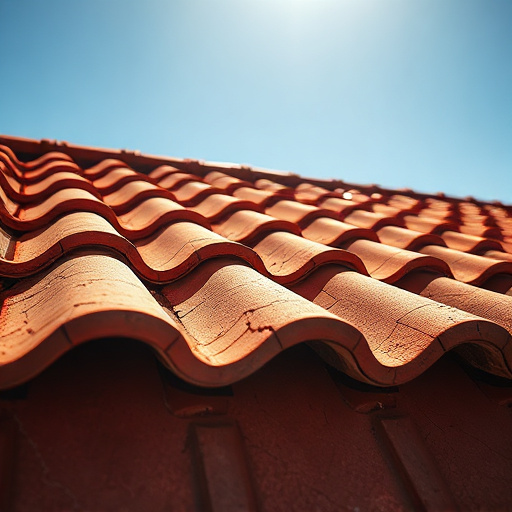
In the scorching sun of Tucson, a roof inspection goes far beyond a visual assessment. The intense heat and year-round UV exposure here can significantly impact a roof's health and longevity, making it crucial to understand how these factors show up during the inspection process. Whether it's a traditional walk-on inspection or a more advanced drone assessment, both methods offer unique insights into your roof's condition. This article examines the intricacies of these inspections, revealing how professionals detect potential issues related to the sun, heat, and UV exposure, ultimately guiding you in making informed decisions about your Tucson roof's care and maintenance.
- Understanding Tucson's Unique Roof Inspection Challenges
- Comparing Drone and Walk-On Inspection Techniques
- How UV Exposure Affects Roof Health and Durability
Understanding Tucson's Unique Roof Inspection Challenges
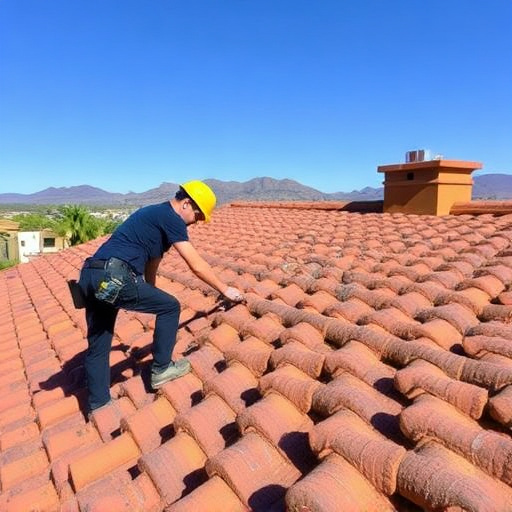
Tucson's unique climate presents specific challenges during a roof inspection, demanding a thorough assessment tailored to this environment. The intense sun and heat, coupled with the region's UV exposure, can significantly impact a roof's condition, especially when combined with the area's distinct weather patterns. The monsoon season brings heavy rainfall, which, alongside scorching heat, accelerates the deterioration of roofing materials.
A walk-on inspection is essential to visually inspect the roof's surface for any visible damage, but Tucson's conditions call for a more comprehensive approach. Here, a drone inspection plays a vital role, providing a detailed view of the entire roof area. This technology allows experts to identify issues like missing or broken tiles, delamination, or coating wear, which can be difficult to spot during a traditional walk-on. A drone can quickly pinpoint areas where scuppers (roof drain openings) are blocked, leading to potential water damage and roof rot.
UV exposure over time can cause coating wear, especially on metal roofing. DC Roofing of Arizona, a licensed Tucson roofing contractor, recommends inspecting for signs of fading or blistering, which could indicate the need for a new protective layer. Regular, thorough inspections are crucial, considering the rapid changes in weather patterns. A professional, experienced eye can assess the remaining roof life and provide valuable insights to homeowners or commercial property managers.
Comparing Drone and Walk-On Inspection Techniques

When comparing drone vs walk-on inspection techniques in Tucson, the unique local climate offers a crucial context. Sun, heat, and UV exposure play a significant role in the condition of a roof, and these factors are readily apparent during an inspection, regardless of the method.
Drone inspections in Tucson offer several advantages. High-resolution drone photos capture detailed images of the entire roof surface, allowing for a comprehensive assessment of damage, especially in hard-to-reach areas. This is particularly valuable during the monsoon season, when heavy rains can cause rapid changes in the roof's condition. A drone can quickly identify pooling water, a common sign of leaks, that might be missed from the ground. Drones can access areas after a hailstorm or high winds, where walking on the roof would be dangerous or impractical.
However, walk-on inspections still hold value. They allow a licensed Tucson roofing contractor to physically inspect the underlayment, check for loose tiles, and assess the overall structure up close. While drone photos are detailed, nothing replaces the hands-on examination of a qualified professional. Walk-on inspections are especially crucial for flat roofs, where proper drainage is critical and issues like cracked or missing flashing can be more subtle.
The choice between drone and walk-on depends on the situation. For larger, more accessible roofs, a drone inspection can provide a thorough, efficient assessment. In complex cases, or where safety concerns exist, a walk-on inspection combined with drone photos offers the most comprehensive solution. Remember, the goal is a thorough, accurate roof inspection that accounts for the unique challenges posed by Tucson's climate and environment.
How UV Exposure Affects Roof Health and Durability

The intense sun, heat, and UV exposure in Tucson present unique challenges to roof health and durability. When an experienced Tucson roof inspector conducts a thorough evaluation, these environmental factors are at the forefront of their assessment. UV radiation, a significant component of sunlight, can accelerate the breakdown of roofing materials, leading to premature aging and failure.
One of the most visible impacts occurs with tile roofs. UV exposure can cause the protective sealant on tiles to deteriorate, leading to slipped tiles that no longer lie flat. This not only compromises the aesthetics but also creates potential water penetration points. Similarly, concrete tiles may develop cracks due to the expansion and contraction caused by daily temperature fluctuations, exacerbated by UV radiation. Homeowners often notice these issues during the home sale process, as buyers scrutinize the roof's condition.
Regular inspections, especially before and after extreme weather changes like monsoons or dust storms, are crucial. A drone vs walk-on inspection can offer a comprehensive view of the roof's health. An experienced Tucson roof inspector can identify weak spots, such as damaged or missing shingles, that might be missed in a visual inspection. This proactive approach ensures that any issues, including UV-induced damage, are addressed promptly. By staying vigilant, homeowners can extend the life of their roofs and avoid costly repairs, benefiting from the expert eye of a local Tucson roof inspector.
Frequently Asked Questions About an explainer on how sun, heat and UV exposure in Tucson show up during a roof inspection
What is the impact of Tucson's climate on roof inspections? Tucson's climate, characterized by intense sun, high heat, and significant UV exposure, significantly influences roof inspections. These conditions can accelerate the degradation of roofing materials, making it crucial for inspectors to look for signs of early wear and tear. The intense sun can cause the expansion and contraction of materials, leading to cracks, while high heat can weaken shingles and underlayments. UV exposure is particularly detrimental, as it breaks down the chemical bonds in various roofing compounds, compromising their integrity over time.
How do I know if a roof is damaged by the Tucson sun? Inspectors will look for signs such as faded or discolored shingles, cracks, and cupping. Faded shingles may indicate UV damage, while discolored underlayment or a strong smell of burnt materials could signal a fire hazard caused by intense heat absorption. Cracks in the roofing structure, especially along joints and seams, are often an early indicator of heat-related stress.
Are there specific materials better suited for Tucson's climate? Absolutely. In this climate, it's recommended to use high-quality, UV-resistant shingles and underlayments. Reflective or cool roofs are also advisable, as they reflect sunlight and help reduce heat absorption, thereby decreasing the overall temperature of the roof and the building. Metal roofing, when installed correctly, can offer superior protection against the sun, heat, and UV rays.
How does UV exposure affect the lifespan of a roof? Prolonged UV exposure can significantly reduce the lifespan of a roof. It weakens the adhesive bonds in shingles, making them more susceptible to wind damage and lifting. UV radiation also accelerates the aging process of underlayments, which are essential for protecting the structure against moisture and temperature fluctuations. Regular inspections are vital to identify UV-induced damage early on.
Can heat-related issues be mitigated during installation? Yes, proper installation techniques are key. Ensure that the roofing system is installed according to the manufacturer's guidelines, with adequate ventilation and proper flashing. Adequate spacing between the roof deck and the shingles allows for better air circulation, helping to regulate temperature and reduce heat absorption. These measures can significantly extend the lifespan of a roof in Tucson's harsh climate.
Understanding the unique challenges of roof inspections in Tucson, such as the intense sun, heat, and UV exposure, is crucial for maintaining a healthy and durable roof. Comparing drone and walk-on inspection techniques offers both advantages and limitations, with drone inspections providing faster, broader coverage and identifying issues like missing or damaged tiles, while walk-on inspections allow for closer inspection of critical areas like the underlayment and drainage systems.
UV exposure significantly impacts roof health, accelerating the aging process and leading to premature failures. Regular, pre-monsoon inspections are vital to catch issues early, as are post-hail or wind events and after significant changes to a home's environment, like removing a swamp cooler or replacing a roof.
For homeowners and property managers, the key takeaways are clear: invest in professional, comprehensive inspections that leverage the best of drone and walk-on techniques. Stay vigilant, especially in the summer heat, to ensure your roof's remaining life is as long and problem-free as possible. And when negotiating with inspection results, remember that proactive maintenance and timely repairs can significantly impact your home's value and your insurance renewal.
In Tucson, intense sun, heat, and UV exposure require tailored roof inspections. Drone inspections provide detailed, comprehensive views, ideal for detecting damage from monsoons and extreme weather. Walk-on inspections complement drones, offering hands-on examination of underlayment, structure, and critical flat roof details. Both methods identify UV-induced damage, such as slipped tiles and concrete cracks, crucial for proactive maintenance and extending roof life. Regular inspections are vital for addressing issues promptly.