In Tucson, choosing the right roofing material is crucial, but understanding how each type-tile, foam, shingle, and flat-is inspected is equally vital, especially when considering a home warranty roof claim. Rooftops are a home's first line of defense against the elements, making inspection a critical process for safety and investment protection. However, the inspection process varies significantly based on the roof's composition. This article examines the unique inspection considerations for each common roofing style found in our region, providing insights that can help Tucson homeowners make informed decisions and protect their investments.
- Understanding Tucson Roof Types: Tile, Foam, Shingle, Flat
- Inspection Protocols: A Step-by-Step Guide for Each Style
- Home Warranty Roof Claims: Common Issues & Prevention
Understanding Tucson Roof Types: Tile, Foam, Shingle, Flat
Tucson's diverse climate and architectural styles present unique challenges for roof inspection. The region's high UV exposure, extreme temperatures, and occasional harsh weather events necessitate specific considerations for each roof type commonly found here. From the vibrant tile roofs that adorn many historic homes to the modern foam coatings on flat roofs, understanding the nuances of each is crucial for maintaining structural integrity and mitigating potential issues, especially for home warranty roof claims.
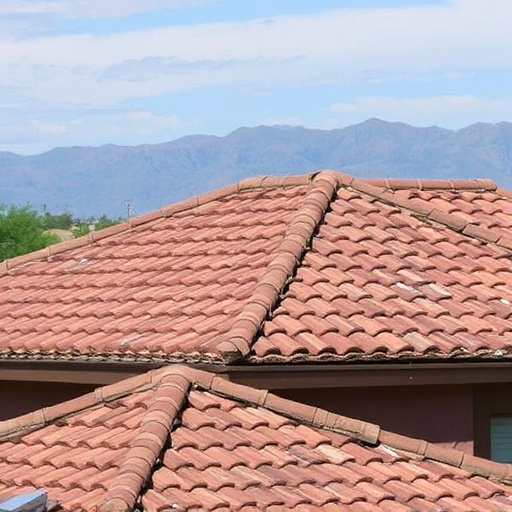
Tile roofs, a beloved Tucson feature, require meticulous care. Inspectors scrutinize the integrity of the underlayment, checking for signs of damage or moisture intrusion. UV damage is a significant concern, leading to cracked or broken tiles, so an infrared scan can be valuable to identify problematic areas. Shingle roofs, while versatile, are susceptible to wind damage, especially during monsoon season. A thorough inspection involves assessing the condition of the shingles, looking for missing or curled shingles, and checking the flashing for any leaks. DC Roofing of Arizona has encountered numerous cases where strong winds lifted shingles, exposing the underlayment to water damage.
Flat roofs, prevalent in commercial buildings and mobile homes, present their own set of challenges. Foam roof coatings, popular for their insulation properties, require regular checks for cracks or delaminations. Efficient drainage systems are essential to prevent water pooling, which can lead to structural damage and mold growth. An inspection should also consider the condition of the parapet walls, ensuring they are secure and intact. After a recent dust storm, for instance, a local roofing company noted an increase in claims for flat roofs due to reduced visibility and subsequent impact damage.
When conducting a roof inspection in Tucson, understanding the unique characteristics of each roof type is key. Regular inspections, especially before monsoon season and after potential weather events, can help identify issues early, ensuring timely repairs and minimizing the risk of home warranty roof claims.
Inspection Protocols: A Step-by-Step Guide for Each Style

In Tucson, each roof style-tile, foam, shingle, and flat-requires a tailored inspection protocol to ensure longevity and protect against potential issues, especially for home warranty roof claims. Let's examine the step-by-step inspection process for each common roof type.
Tile Roofs: Tile roofs, while aesthetically pleasing, demand meticulous care. Inspection includes a thorough visual assessment of each tile for cracks, loose fixtures, or signs of water damage. We also examine the underlayment, checking for both its integrity and proper installation. The tile underlayment may show signs of wear before the tile itself, indicating the need for replacement. We scrutinize the scuppers-the drainage channels-to ensure they are clear of debris, as clogging can lead to water accumulation and potential leaks. An infrared scan can be employed to detect hidden moisture, a critical step in preventing home warranty roof claims.
Foam Roofs: Foam roofs, a popular choice for their excellent insulation properties, require a different approach. Inspection involves close examination of the foam's integrity, checking for cracks or signs of degradation, which could indicate the need for re-coating or repair. We also assess the underlying decking and any vapor barriers for damage. Since foam roofs are less visible, an infrared scan can be particularly valuable to uncover moisture problems. This is especially important when considering insurance renewal, as a thorough inspection can help prevent costly claims.
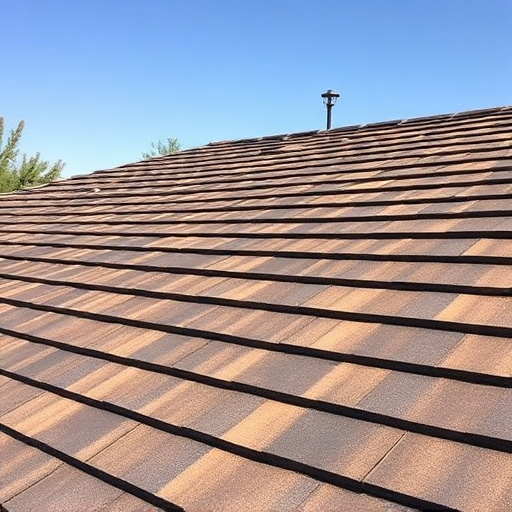
Shingle Roofs: Shingle roofs, whether made of asphalt or wood, are subject to a rigorous inspection. We look for missing, curled, or damaged shingles, checking the granule coverage and overall integrity. The inspection also includes an evaluation of the roof's underlayment and flashing for any signs of wear or tear. Regular maintenance, such as cleaning gutters and repairing leaks promptly, can significantly extend the remaining roof life and reduce the likelihood of home warranty roof claims.
Flat Roofs: Flat roofs present unique challenges. Inspection includes a meticulous look for punctures, cracks, or signs of water pooling. Due to their low slope, flat roofs are prone to pooling, which can lead to serious structural damage. Scuppers are often integrated into flat roofs, and their proper function is crucial for drainage. We also employ advanced techniques, like infrared scans, to detect any hidden moisture issues, which are critical to prevent historic home roof inspections from turning into costly repairs.
A licensed Tucson roofing contractor may recommend a pre-monsoon inspection to address any vulnerabilities before the harsh summer heat sets in, thereby safeguarding against unexpected roof failures and facilitating timely insurance renewal.
Home Warranty Roof Claims: Common Issues & Prevention
In Tucson, homeowners often wonder about the best way to protect their investments, especially for roofs. When considering home warranty roof claims, understanding the nuances of different roofing types is crucial. Tile, foam, shingles, and flat roofs each have their unique inspection requirements and common issues. Let's examine how each type is inspected and what issues might arise, with a focus on prevention strategies.
Tile roofs, popular for their durability and aesthetic appeal, require meticulous inspection. A Tucson roofer with an Arizona ROC license will scrutinize the underlayment, checking for any signs of moisture, mold, or slipped tiles. The underlayment, a crucial protective layer, should be in pristine condition. Regular inspections can prevent costly home warranty roof claims related to water damage, which is a leading cause of tile roof failures. Looking for loose or missing grout is essential, as this can lead to further damage.
Foam roofs, known for their energy-efficient properties, present a different set of inspection challenges. These roofs are sensitive to proper installation, especially in the local climate. A moisture meter is a valuable tool for inspecting foam roofs. It helps identify potential moisture buildup, which could compromise the roof's integrity. Regular checks for signs of degradation or separation of the foam from the underlayment are crucial to prevent home warranty claims.
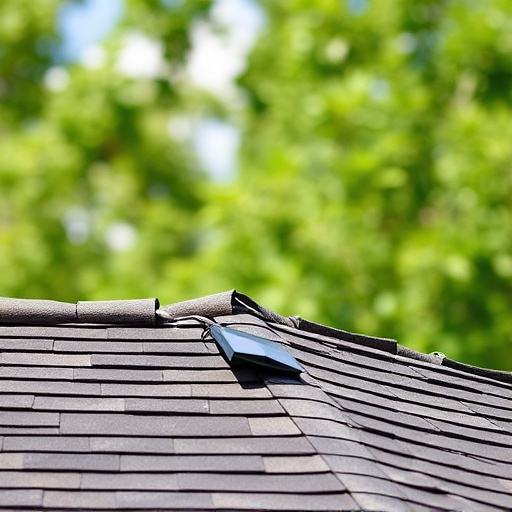
Shingle roofs, a common sight in Tucson, require inspections to ensure proper nailing and overlap. Inspectors should look for missing or curled shingles, as these can expose the roof to elements, leading to leaks and, ultimately, home warranty roof claims. A thorough inspection also involves checking the flashing around chimneys and vents, which is a common point of failure.
Flat roofs, while less common, still require specialized attention. Drone inspections have become a popular and efficient way to assess flat roofs, providing a detailed view of the entire surface. Inspectors look for signs of water damage, cracks, or delaminating membranes. Proper drainage systems are also vital to diverting water away from the roof, minimizing the risk of moisture-related issues. Regular maintenance, including cleaning the drainage channels, is key to extending the life of flat roofs and preventing costly repairs.
Frequently Asked Questions About a Comparison of How Tile, Foam, Shingle, and Flat Roofs Common in Tucson Are Inspected
What is the best way to inspect a tile roof?
Tile roofs require a meticulous inspection. Start by visually scanning for loose, damaged, or missing tiles. Check the underlayment for signs of moisture, mold, or rot, as these issues often originate from tile flaws or poor installation. Inspect the grout lines, looking for cracks or discolored patches that may indicate weak spots. Finally, assess the condition of flashing and vents, ensuring proper ventilation and protection against water intrusion.
How do you inspect a foam roof for damage?
Foam roofs are less visually complex than tile or shingle. Look for evidence of blisters, cracks, or delamination, which often signal structural compromise. Check for water stains or mold growth, indicating potential leaks. A moisture meter can be useful to identify areas with high humidity levels. Remember, foam roofs are sensitive to foot traffic and debris, so inspect for any punctures or damage from external impacts.
What are the key things to check on a shingle roof during an inspection?
Shingle roofs demand careful attention to several aspects. Look for missing, curled, or cracked shingles. Check for proper nailing patterns and adequate overlap. Inspect the underlayment for damage and ensure it's securely fastened. Assess the condition of the flashing around chimneys and vents. Also, verify that the gutters are clear and free from debris, as clogs can lead to water damage.
How do you assess the ventilation in a flat roof system?
Ventilation is critical for flat roofs to prevent heat build-up and moisture accumulation. Inspect the vents, looking for blockages or proper functioning. Assess the condition of the vent openings and ensure they're free from debris. Check for signs of moisture condensing on the roof deck or insulation, indicating poor ventilation. A proper ventilation system maintains a safe environment for the roof and underlying structure.
Are there specific tools used for inspecting different types of roofs?
Yes, various tools aid in thorough inspections. For tile roofs, a ladder, safety harness, and visual inspection tools like binoculars are essential. Foam and shingle roofs benefit from moisture meters, flashlights, and cameras for detailed photography. Flat roofs require a focus on ventilation assessment, so tools like vent inspection cameras and moisture sensors are valuable additions to any roofer's kit.
Understanding the unique inspection protocols for each of Tucson's prevalent roof types-tile, foam, shingle, and flat-is crucial for both homeowners and property managers. This article has provided a practical guide to help navigate the process, ensuring thorough evaluations and addressing potential issues, especially when considering home warranty roof claims.
Tile roofs, known for their durability, require meticulous attention to underlayment integrity and drainage systems. Similarly, foam roofs, often favored for their insulation properties, demand a close eye on coating integrity and moisture detection. Shingle roofs, the most common, necessitate a detailed examination of nail patterns, shingle alignment, and potential damage from elements like dust storms. Lastly, flat roofs present their own set of challenges, including thorough drainage checks and parapet wall inspections.
By following these structured inspection protocols and staying vigilant for signs of wear and tear, homeowners can protect their investments and mitigate the risk of costly home warranty roof claims. Regular, professional inspections, especially pre-monsoon and post-extreme weather events, are key to maintaining the longevity of Tucson's diverse roofing landscape.
Tucson's diverse roofing needs demand tailored inspections for tile, foam, shingle, and flat roofs, focusing on preventing home warranty roof claims. Key steps include checking underlayment integrity, inspecting shingles for damage, assessing foam for degradation, and ensuring proper drainage for flat roofs. Regular, detailed inspections, especially pre-monsoon, mitigate risks, extend roof life, and safeguard against costly claims.