In the competitive Tucson real estate market, understanding the condition of a roof is crucial for both buyers and sellers. A roof inspection is not just a formality; it's a critical step in ensuring the long-term health and value of your home. Knowing the potential life expectancy of a roof can save you from costly surprises down the line. This guide will walk you through the essential elements of a Tucson roof inspection, from identifying signs of wear to understanding the certification process, helping you make informed decisions and negotiate with confidence. By the end, you'll grasp the importance of these checks, especially as the Arizona climate and local building codes play a significant role in determining your roof's remaining life estimate.
- Understanding Tucson Roof Inspections: What Buyers & Sellers Need to Know
- Deciphering Roof Certification Reports: Key Elements for Homeowners
- Maximizing Your Home's Value: Estimating Remaining Roof Life Effectively
Understanding Tucson Roof Inspections: What Buyers & Sellers Need to Know
Understanding Tucson Roof Inspections: What Buyers & Sellers Need to Know
When considering a home purchase or sale in Tucson, a roof inspection is an essential step that can't be overlooked. This is particularly true in our region, where weather patterns can vary greatly from year to year. A thorough inspection not only uncovers any immediate issues but also provides a crucial remaining roof life estimate, helping you make informed decisions about one of the most valuable assets you own.
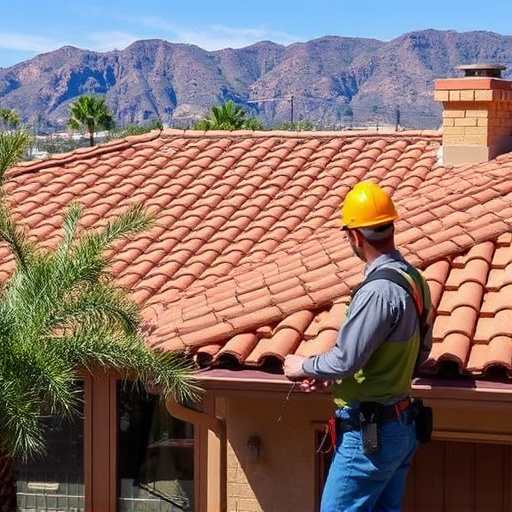
Tucson roof inspections involve a comprehensive review of the roofing system, from the shingles to the underlayment, and everything in between. Inspectors will examine the condition of the roof valleys and ponding areas, which are particularly susceptible to damage from both natural and man-made elements. Local weather patterns, including frequent dust storms and occasional monsoons, demand that roofs in Tucson be evaluated for their ability to withstand such challenges. A licensed roofer, like those at DC Roofing of Arizona, serving Tucson and Oro Valley, will look for signs of wear and tear, leaks, or weaknesses that could compromise the structural integrity of your home.
A key component of the inspection process is assessing the underlayment, a protective layer beneath the shingles that guards against moisture intrusion. This is especially critical in our climate, where extreme temperatures and varying precipitation can accelerate underlayment deterioration. The inspector will also check for the presence of a foam roof coating, which can enhance protection but may require periodic reapplication. By the end of the inspection, you'll receive a detailed report outlining any findings, allowing you to negotiate with confidence during the sale or plan for necessary repairs to ensure your roof's longevity.
Deciphering Roof Certification Reports: Key Elements for Homeowners
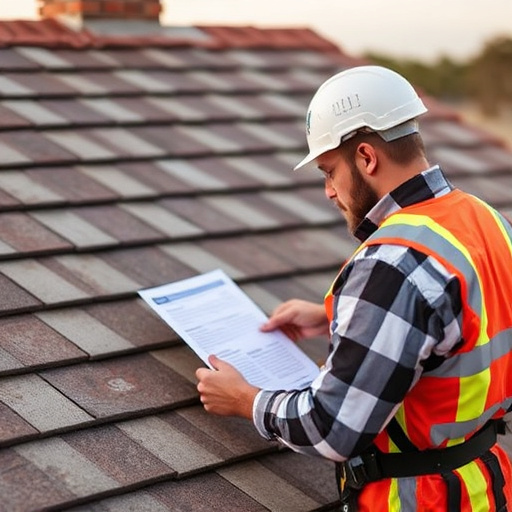
When buying or selling a home in Tucson, or even in nearby Oro Valley or Vail, one of the most critical aspects of the transaction is understanding the roof certification report. This document provides a detailed assessment of your roof's condition, offering valuable insights into its remaining life expectancy. As a homeowner, deciphering this report can help you make informed decisions during the sale process and beyond.
A comprehensive roof inspection report includes several key elements. First, it should outline the current state of your roof, identifying any damage, wear, or potential issues. This includes assessing the roof's structure, underlayment, and external materials for signs of degradation. A licensed Tucson roofer with an Arizona ROC license will look for cracks, missing shingles, or evidence of water intrusion. They'll also inspect the drainage system, ensuring proper water flow away from the home, which is crucial in our region's unique weather patterns. Another vital component is the report's moisture detection section, which pinpoints areas of potential leaks or excessive humidity, a common concern in the Arizona climate.
One of the most valuable aspects of a roof certification report is the remaining roof life estimate. This section provides a professional opinion on how long your roof is expected to last, considering factors like material quality, installation, and local environmental conditions. If your roof shows signs of UV damage, which is prevalent in our sunny climate, the report may suggest a reduced lifespan. Understanding this estimate empowers you to make strategic decisions regarding repairs, replacements, or even the home's overall value. It's also essential for insurance companies, who often require such reports for renewal or claim assessments, especially for homes with historic or unique roofing materials like adobe.
Maximizing Your Home's Value: Estimating Remaining Roof Life Effectively
When selling or purchasing a home in Tucson, understanding the condition of your roof is crucial. Beyond meeting local building codes and insurance requirements, knowing your roof's remaining life span can significantly impact your home's value. This estimate, known as the remaining roof life estimate, is a critical component of any sale or purchase agreement, and it's something both buyers and sellers should be familiar with.
A professional roof inspection by a licensed Tucson roofer with an Arizona ROC license is essential to getting an accurate estimate. During this process, experts will thoroughly examine the roof's structure, materials, and components. They'll look for signs of wear and tear, such as cracked tiles, corroded fasteners, and coating wear. These factors can greatly affect the roof's longevity. A well-maintained tile roof with minimal coating wear might have a remaining life span of 20 to 25 years, while a roof with extensive damage could be looking at only 10 years left. The inspector will also check the underlayment, drainage systems, and any signs of moisture intrusion, as these are all indicators of a roof's health.
The remaining roof life estimate is not just a number; it's a critical piece of information for both buyers and sellers. For sellers, knowing this can help set realistic expectations and guide their decision-making process regarding repairs or replacements. It may also influence the asking price, as buyers will want to ensure they're not overpaying for a roof that needs significant work. For buyers, understanding the roof's condition allows them to plan for future expenses, negotiate the sale price, and ensure the home's value aligns with their investment. In a market where insurance renewal rates and potential home warranty claims can be factors, having a clear understanding of your roof's condition is invaluable.
Frequently Asked Questions About an explainer for home buyers and sellers in Tucson on roof inspections and roof certifications during a sale
What is the purpose of a roof inspection during a real estate transaction?
A roof inspection is crucial for buyers and sellers in Tucson. It provides a thorough assessment of the roof's condition, age, and remaining lifespan. This is essential knowledge for any party involved in the sale. A professional Tucson roofer will inspect for damage, leaks, missing shingles, and structural integrity. Knowing these factors helps determine potential repair costs, which can be negotiated or factored into the sale price, ensuring both buyer and seller are protected.
How do I know if a roof needs to be inspected?
Many factors indicate the need for a roof inspection. Age is a significant one; as a rule of thumb, most roofs in Tucson require replacement after 20-25 years. However, extreme weather events, such as hailstorms or heavy winds, can damage shingles and underlayment, requiring an inspection. Even if a roof appears intact, visible signs of damage, dark spots (indicating leaks), or elevated utility bills can signal a problem. A licensed Tucson roofing contractor can assess these factors and more during a comprehensive inspection.
What information does a roof inspection report include?
A detailed roof inspection report includes a comprehensive analysis of the roof's condition. It will document the roofing material type, age, and remaining life expectancy. The report will highlight any defects, damage, or areas of concern, such as loose or missing shingles, flashing issues, or structural problems. It will also include recommendations for repairs, maintenance, or replacement, along with estimates for each suggested action. This report is invaluable for buyers and sellers in negotiating the sale and ensuring transparency.
Can a roof certification be conducted during an inspection?
Absolutely. A roof certification confirms that the roof meets local building codes and regulations. It ensures the roof is safe, structurally sound, and in good working order. A licensed Tucson roofing contractor performing the inspection can also provide certification, often in the form of a written report or document. This certification is crucial for obtaining financing and ensuring the property meets minimum safety standards, which is essential for buyers and sellers alike.
What happens if damage is found during the inspection?
If damage is discovered, the inspector will document it in the report and provide recommendations for repair or replacement. The findings can significantly impact the negotiation process. Buyers may request repairs be made before finalizing the sale, or they might choose to adjust the offer price to account for the necessary work. Sellers, on the other hand, can use the report to demonstrate the roof's condition to potential buyers and negotiate accordingly. In all cases, a professional Tucson roofer can assist with repairs or replacement, ensuring the roof is in top condition.
Who should conduct a roof inspection in Tucson?
It's recommended to engage a licensed and experienced Tucson roof inspector for an unbiased and comprehensive assessment. DC Roofing of Arizona, for example, specializes in providing expert roof inspections for home buyers and sellers. Their team is familiar with local building codes and can offer valuable insights into the roof's condition and potential issues. Hiring a professional ensures the inspection is thorough and provides peace of mind for all parties involved in the real estate transaction.
As Tucson homeowners navigate the real estate market, understanding the importance of roof inspections and certifications is crucial. This article has guided you through the key aspects, from deciphering inspection reports to estimating a roof's remaining lifespan. By knowing what to expect during a Tucson roof inspection, both buyers and sellers can make informed decisions.
A thorough inspection includes checking for tile underlayment integrity, foam roof coating conditions, and proper flat roof drainage systems. It also involves moisture detection to prevent leaks and identifying potential issues after hail, wind, or even swamp cooler removal. Understanding these elements empowers you to negotiate with confidence and ensure the value of your home is accurately represented.
The article highlights the significance of a professional roof certification report. By reading and understanding this report, you can gain insights into the roof's overall health, including any necessary repairs or replacements. For sellers, this can be a valuable tool to demonstrate the condition of their property to potential buyers.
Finally, the practical guidance on estimating a roof's remaining life offers a proactive approach. With Tucson's unique climate patterns, knowing how often to inspect and the potential lifespan of your roof's components can help with insurance renewals and long-term planning. This article equips you with the knowledge to make smart decisions regarding your Tucson property's most critical asset-its roof.
Tucson Roof Inspections: What Buyers & Sellers Need to Know
Tucson roof inspections are crucial for buyers and sellers, revealing the remaining roof life estimate and ensuring the home's value. Inspectors assess the roofing system, underlayment, and drainage to determine the roof's condition and longevity. This report is essential for negotiations, repairs, and understanding insurance requirements. A licensed roofer from DC Roofing of Arizona will provide detailed findings, helping you make informed decisions about one of your home's most valuable assets.