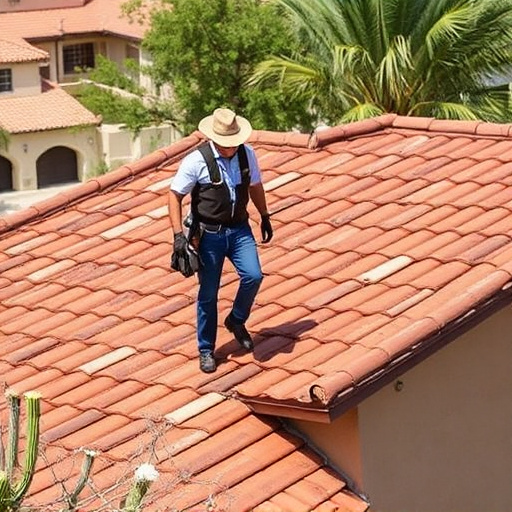
In the scorching Arizona sun, Tucson's diverse roof types-from tile to flat, foam to traditional shingles-face unique challenges. Understanding how each performs under the state's extreme climate is crucial for homeowners and investors alike. This guide examines the intricate process of roof inspections in Tucson, focusing on tile, foam, shingle, and flat roofs. We explore what makes each type distinct, from the thoroughness of drone vs. Walk-on inspections to the critical moisture detection for leaks. We analyze the regulatory landscape, best practices, and community support, including the unique considerations for historic homes and mobile properties. This article empowers readers to navigate Tucson's roof inspection landscape, ensuring peace of mind for any property owner or buyer.
- Understanding Tucson's Roof Types
- Inspection Process for Each Roof Style
- Best Practices for Adobe Roof Safety
Understanding Tucson's Roof Types
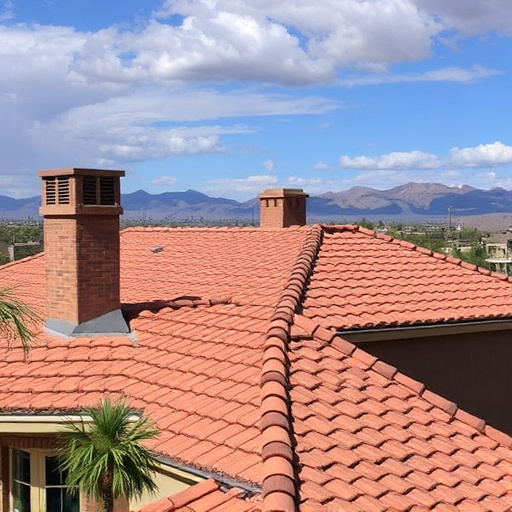
Tucson's roofing landscape presents a diverse range of materials and designs, from traditional tile roofs to modern foam structures. Understanding these varying roof types is crucial for anyone involved in the buying, selling, or maintaining of a home in this region. An experienced Tucson roof inspector will assess each type differently, focusing on specific concerns and best practices.
Tile roofs, prevalent in many parts of Tucson, require meticulous care. Inspectors will examine the condition of the tile, checking for loose or broken pieces, and examining the underlying underlayment for signs of damage or moisture intrusion. The inspection also includes a thorough look at the roof valleys, where debris accumulation can lead to water damage. A Marana homeowner with a tile roof may need a more frequent inspection to address the region's unique weather patterns, such as the intense summer heat and occasional monsoon storms.
Foam roofs, gaining popularity for their energy-efficient properties, present a different set of inspection criteria. An inspector will assess the foam coating's integrity, ensuring it hasn't cracked or lifted due to temperature fluctuations. Unlike tile or shingle roofs, foam roofs are less susceptible to wind damage, but they do require monitoring for moisture buildup, which can lead to structural issues over time. A local building code compliance check is essential when inspecting foam roofs to ensure they meet the required standards, as set forth by the Tucson Building Department.
Shingle and flat roofs, also common in Tucson, have their own set of inspection challenges. Shingle roofs, for instance, should be examined for missing or damaged shingles, which can lead to leaks. An inspector will also look for proper drainage and flashing, especially around chimneys and vents. In contrast, flat roofs often require a drone or walk-on inspection to assess the overall integrity of the system, including the drainage channels and the condition of the underlayment. A rental property owner in Oro Valley might opt for a more comprehensive flat roof inspection to address the increased risk of leaks due to the region's frequent rainfall.
In the case of historic homes, an adobe roof inspection takes on added significance. These unique structures require specialized care, with inspectors scrutinizing the integrity of the adobe mixture and any signs of structural instability. The roof certification process for historic homes often involves a thorough understanding of the building's age and construction methods, as well as adherence to local historical preservation regulations. An inspector with knowledge of Marana's historical districts can provide invaluable insights during such an inspection.
Inspection Process for Each Roof Style
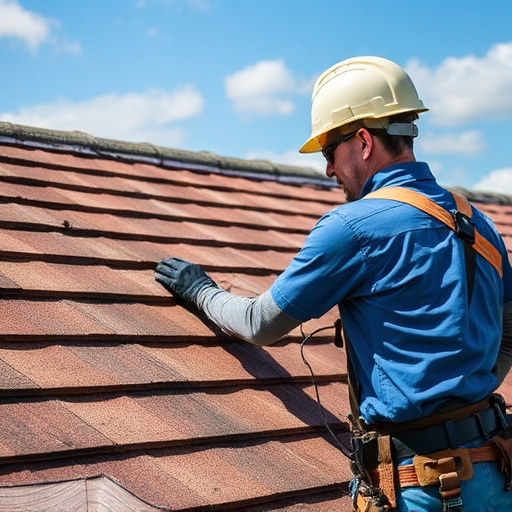
In Tucson, each roof style presents unique inspection considerations. An adobe roof inspection requires a different approach than a traditional tile roof. Adobe roofs, common in historic areas, demand careful examination for signs of cracks, which can be more subtle than the visible cracks in tile that we often see. Inspectors should look for structural integrity and signs of water penetration, as these roofs are particularly susceptible to damage from both.
Tile roofs, a prevalent choice for Tucson's climate, are inspected for proper underlayment and flashing. A licensed Arizona roofer will check for cracked or loose tiles, ensuring they are properly fastened and sealed to prevent water from ponding on the surface. The inspector will also assess the condition of the drainage system to ensure water is effectively removed from the roof.
Shingle roofs, another local favorite, require attention to the type of shingle and the overall installation. Inspectors look for signs of wear and tear, such as missing or curled shingles, which could indicate exposure to harsh weather patterns. They'll also check the underlayment and flashing for damage, ensuring proper sealing to prevent moisture intrusion.
Flat roofs, common in commercial buildings and some residential properties, present unique challenges. An inspector will look for signs of water damage, such as discolored or blistered areas, and ensure that drainage systems are functional. In the case of a mobile home or rental property roof, the focus shifts to the overall structure's integrity and the effectiveness of any existing water barriers. After a dust storm, an inspector would pay special attention to the condition of the roof, checking for any damage that might have occurred due to the high winds and debris.
Best Practices for Adobe Roof Safety
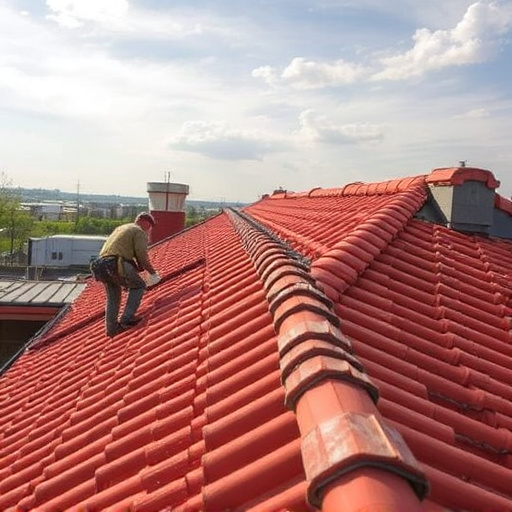
Adobe roofs, a unique feature in Tucson's architectural landscape, present specific challenges during inspection. Unlike tile, foam, or shingle roofs, their inspection requires a nuanced approach due to the material's characteristics and the local climate. A Tucson roofer with an Arizona ROC license understands these nuances, focusing on key aspects during an adobe roof inspection.
One of the primary concerns is the condition of the tiles. Unlike slipped tiles on other roof types, an adobe roof's tiles can become loose or shift due to the weight of the material itself. Inspectors should look for signs of displacement, cracks, or missing tiles. Scuppers, the drainage channels running across the roof, are crucial. Their proper function ensures water doesn't pond on the roof, which could lead to structural damage. Inspecting scuppers for clogs or damage is essential, as water accumulation can accelerate the deterioration of adobe roofing materials.
During a pre-monsoon inspection, or after a dust storm, paying close attention to these details becomes critical. The intense sun and wind can dry out the adobe, making it more susceptible to damage. A thorough inspection should also include an assessment of the roof's overall structure and the condition of the underlayment. The local climate, with its hot summers and occasional hail, requires regular monitoring. By identifying potential issues early, homeowners can avoid costly repairs and ensure the longevity of their adobe roofs.
Frequently Asked Questions About a comparison of how tile, foam, shingle and flat roofs common in Tucson are inspected
What are the typical materials used for roofing in Tucson?
Tucson's climate demands roofing materials that can withstand intense sunlight, high winds, and varying temperatures. The most common materials include tile, foam, shingles, and flat roofing systems. Each has its advantages, with tile offering durability and low maintenance, foam providing excellent insulation and a quick installation process, shingles being a cost-effective and versatile option, and flat roofs often chosen for commercial buildings due to their ease of installation and low slope.
How does the inspection process differ for each type of roof?
The inspection process adapts to the unique characteristics of each roof type. Tile roofs require careful examination of the tile's integrity, mortar lines, and underlayment. Foam roofs focus on ensuring structural integrity, proper sealing, and checking for signs of degradation or moisture damage. Shingle roofs involve assessing the condition of the shingles, underlayment, and flashing. Flat roofs involve detailed inspection of the membrane, seals, drains, and any associated piping.
What are some common issues found during inspections?
During inspections, Tucson roofers commonly identify issues like missing or damaged tiles, loose shingles, moisture intrusion, poor sealing, and underlayment degradation. For foam roofs, issues may include structural weakening, poor sealing at joints, or signs of moisture buildup. Flat roofs often reveal problems such as cracked membranes, blocked drains, and faulty piping.
How often should a Tucson roof be inspected?
It is recommended that Tucson residents have their roofs inspected every 2 to 3 years, or more frequently if the roof shows signs of damage or wear. Regular inspections are crucial for identifying potential issues early, which can save on costly repairs.
Who can perform a professional roof inspection in Tucson?
Professional roof inspections should be conducted by licensed and experienced Tucson roofers or certified roof inspectors. They have the necessary tools and knowledge to assess the condition of different roofing types accurately and safely.
Are there any specific safety considerations for roof inspections?
Safety is paramount during roof inspections. Inspectors should always wear appropriate personal protective equipment (PPE), use fall protection when necessary, and ensure they are trained in safe roofing practices. Proper safety measures protect both the inspector and the property owner.
Understanding the unique characteristics and inspection requirements of tile, foam, shingle, and flat roofs in Tucson is crucial for homeowners and property managers. This article has demystified the process, offering a practical guide to ensure each roof type receives the proper care and attention. From the intricate tile underlayment inspection to the specific considerations for historic adobe roofs, we've highlighted the key aspects that contribute to a thorough Tucson roof inspection.
The inspection process varies depending on the roof style, with drone assessments offering a more efficient yet thorough alternative to traditional walk-on inspections. For adobe roofs, a specialized inspection is essential to assess the unique materials and construction methods used in the region. By following best practices and adhering to local building codes, Tucson residents can extend the life of their roofs and protect their investments.
The take-away message is clear: regular, professional roof inspections are vital for maintaining the integrity of any roof type in Tucson. Whether buying a home, selling, or simply ensuring the longevity of your roof, engaging a licensed Tucson roofer with expertise in each roof style is the best course of action. This ensures any issues, from moisture detection to structural soundness, are identified and addressed promptly.
Tucson roofs vary from tile, foam, shingle, flat, to historic adobe, each needing specific inspection considerations. An experienced Tucson roof inspector adapts their approach based on the roof type, focusing on unique concerns:
- Tile: Check underlayment, look for loose or broken tiles, assess roof valleys for debris.
- Foam: Inspect for cracks, ensure integrity, monitor for moisture buildup.
- Shingle: Examine for missing or damaged shingles, check drainage, flashing.
- Flat: Use drone or walk-on inspection, assess drainage channels, underlayment.
- Adobe: Focus on structural integrity, water penetration, signs of cracks, scuppers, underlayment condition.
Regular inspections, tailored to each roof type, protect investments, prevent damage, and ensure safety in Tucson's diverse roofing environment.