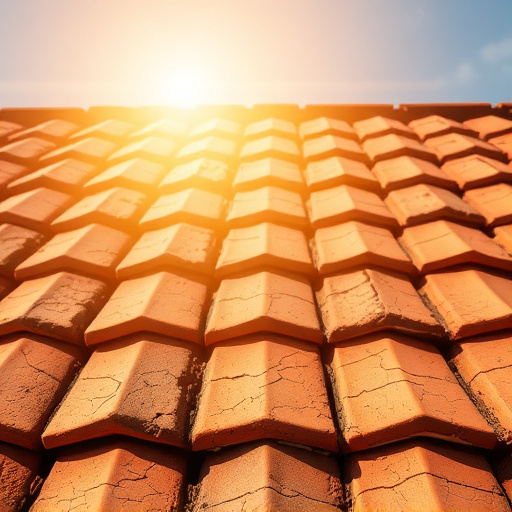
In the arid climate of Tucson, homeowners face a unique challenge: protecting their properties from the harsh sun, wind, and occasional storms. A roof, often the most significant investment on a home, needs regular attention to ensure longevity and structural integrity. This checklist equips you to spot potential issues between professional inspections, with a specific focus on adobe roofs common in the region.
While professional roofers and inspectors offer invaluable services, not every problem is visible to the untrained eye. This guide empowers you to conduct a thorough self-assessment, addressing common desert-related concerns. By following these steps, you'll be better prepared to maintain your roof, extend its lifespan, and avoid costly repairs.
- Understanding Adobe Roofs in Arid Environments
- Regular Visual Checks: What to Look For
- Common Signs Requiring Professional Attention
Understanding Adobe Roofs in Arid Environments
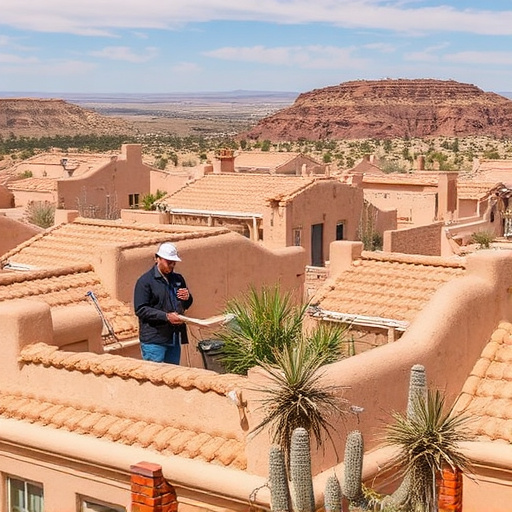
Adobe roofs are a distinctive and historic feature of many homes in the arid climate of Tucson and Oro Valley. While these clay tile roofs offer beautiful, low-maintenance aesthetics, they require specialized care and inspection to ensure longevity in the challenging desert environment. This section provides homeowners with a practical guide to understanding and maintaining their adobe roofs, highlighting critical aspects to look out for during inspections between professional check-ups.
In arid environments, adobe roofs must withstand intense sunlight, fluctuating temperatures, and occasional extreme weather events. The primary focus of an adobe roof inspection should be the integrity of the tile and the underlayment, which is often a key differentiator compared to more common roofing materials. Inspectors should carefully examine the tiles for cracks, loose joints, or signs of moisture intrusion. Cracks, especially along the edges or where tiles meet the parapets, can be indicative of structural issues and should be addressed promptly. The underlayment, often made of wood or synthetic materials, must be in pristine condition to prevent water damage. DC Roofing of Arizona, a licensed Tucson roofing contractor, emphasizes the importance of checking for both tile and underlayment integrity during each inspection, as these are critical to the roof's overall performance and longevity.
Moisture detection is a crucial part of the adobe roof inspection process, as excessive water can cause significant damage. Homeowners should be vigilant for signs of water stains or mold growth, which often indicate a leak. It's also essential to inspect the roof's drainage system, ensuring proper water flow away from the structure. After extreme weather events, such as a dust storm or hail, a thorough check is warranted to assess any potential damage. Loose or missing tiles should be replaced promptly to prevent further deterioration. Remember, regular, annual inspections are recommended, especially in regions with distinct seasonal changes, to catch any issues early and ensure your adobe roof remains in top condition.
Regular Visual Checks: What to Look For

Regular visual checks are a crucial part of maintaining your home's roof in the harsh desert climate. As a homeowner, you're often the first to notice potential issues, especially when you're attuned to the unique challenges of your region, like intense sunlight, high winds, and temperature fluctuations. This section guides you through what to look for during your regular inspections, focusing on signs that might indicate a deeper problem, especially in an adobe roof, a common building material in your climate.
Start by examining the roof's surface for any visible damage. Look for missing or loose tiles, particularly in areas exposed to direct sunlight. In the desert, excessive heat can cause tile to expand and contract, leading to cracks or gaps. Check for uneven or curled tiles, which could signal a problem with the underlayment or tile adhesive. Adobe roofs are known for their durability, but they're also susceptible to moisture intrusion if not properly sealed. Use a moisture meter to test for any wet spots, as this could indicate a leak or rising damp, especially along the roof's edges or in areas with poor drainage.
Pay close attention to the roof's edges and corners, where damage often starts. Look for signs of coating wear, especially on metal components or where the adobe meets other materials. In the desert, UV exposure can degrade protective coatings, leading to rust and corrosion. Check for any signs of mold or mildew, which can flourish in damp, shaded areas, despite the dry climate. After a particularly intense dust storm, for instance, inspect for dislodged or damaged tiles and any signs of moisture penetration. Remember, a licensed Tucson roofing contractor can provide valuable insights and help interpret your findings, especially if you're unsure about any aspect of your roof's condition.
Regular visual checks, coupled with a thorough understanding of your adobe roof's specific needs, can help you maintain its integrity and identify potential issues early on. By keeping a keen eye on these details, you'll be well-prepared to address any problems before they become costly repairs.
Common Signs Requiring Professional Attention
In the arid desert climate of Tucson and Oro Valley, homeowners are particularly vigilant about their roofs, given the unique challenges posed by intense sunlight, low humidity, and occasional severe storms. Regular inspections are crucial, but even between professional assessments, there are key signs that indicate a need for immediate professional attention. An experienced Tucson roofer with an Arizona ROC license can help homeowners identify these issues early on, ensuring the longevity of their adobe roof and preventing costly damage.
One of the most valuable tools in a professional roofer's arsenal is an infrared scan. This technology can detect heat anomalies that often signal problems like leaks, moisture intrusion, or faulty underlayment. A warm spot on a normally cool roof could indicate a hidden leak, allowing for prompt repair before further damage occurs. Similarly, thorough inspections should include a close look at roof vents. Blocked or improperly installed vents can lead to ventilation issues, causing excessive heat buildup and putting stress on the entire roofing system. In the desert climate, where temperatures can soar, proper ventilation is critical for maintaining the integrity of the roof.
Beyond these advanced techniques, homeowners should be on the lookout for several common red flags. Cracked or broken tiles, missing shingles, and visible signs of water damage or mold growth all necessitate professional intervention. An adobe roof, due to its unique construction, may require special attention, as issues like sun-degradation or improper installation can be more subtle. Regular inspections, ideally before and after monsoon seasons, can help catch these issues early. By combining the expertise of a Tucson roofer with an Arizona ROC license, homeowners can ensure their roof is in top condition, preventing major problems that could affect their property's value or their insurance claims.
Frequently Asked Questions About a Homeowner Checklist for Spotting Roof Problems Between Professional Inspections in the Desert Climate
What specific roof issues should I look for in a desert climate?
In desert climates, common roof problems include intense sun exposure leading to material degradation, high winds causing damage, and rapid temperature changes that can cause expansion and contraction. Look for signs of missing or damaged shingles, flashing corrosion, granule loss (from shingles), and signs of water penetration, such as discolored or peeling paint. Also, inspect for loose or rusted fasteners, especially around vents and chimneys. These issues can be exacerbated by extreme weather events common in the desert, so regular checks are crucial.
How often should I perform a visual inspection?
While professional inspections are recommended annually, a thorough visual check should be conducted every 3-6 months in desert regions. This frequency allows for the early detection of potential issues, especially those accelerated by the unique climate conditions. During these inspections, look for any unusual changes in the roof's condition, as some issues may only become apparent after prolonged exposure to the desert environment.
What tools do I need to inspect my roof?
A basic toolkit includes a pair of binoculars for a bird's-eye view, a ladder (ensure it's safe and stable), a flashlight, and a camera to document any issues. You'll also need a keen eye and a systematic approach. A magnifying glass can be helpful for close inspection, and a notepad to jot down observations. Some homeowners also use a roof inspection kit, which includes tools for checking flashing and other components.
Can I identify problems without climbing on the roof?
While a detailed inspection often requires access to the roof, some issues can be identified from ground level. Look for signs of water stains or discoloration on the ceiling and walls, which may indicate leaks. Check the exterior for visible damage, such as missing or curled shingles. However, for a comprehensive assessment, including checking the flashing and underlayment, a safe climb is often necessary.
What should I do if I find a problem?
Upon discovering a roof problem, document it with clear photos and notes. If the issue is minor, such as a loose shingle, secure it safely. For more significant concerns, such as leaks or structural damage, contact a licensed roofing contractor like DC Roofing of Arizona immediately. They can provide expert advice and schedule a repair or replacement as needed. Regular maintenance and prompt attention to problems can extend the lifespan of your roof.
How do desert conditions affect roof warranties?
Many roof warranties, including those offered by Arizona-based roofing companies, have specific clauses regarding desert climates. Warranties may be voided or modified if the roofer cannot reasonably expect the materials to perform as intended due to extreme conditions. Regular inspections and prompt reporting of issues can help maintain warranty coverage. Always review the warranty terms with your contractor or refer to the manufacturer's guidelines for desert environments.
What are some signs my roof needs immediate attention?
Urgent attention is required if you notice: a significant number of missing or damaged shingles, large areas of granule loss, visible water leaks, flashing damage leading to moisture intrusion, or signs of structural compromise, such as uneven or bulging ceilings. These issues can compromise the roof's integrity and lead to extensive damage if left unaddressed. In such cases, contact a professional roofer promptly to assess and mitigate the problem.
As homeowners in arid environments like the desert climate of Tucson, understanding the unique challenges that come with maintaining your adobe roof is crucial. Regular visual checks are your first line of defense between professional inspections. Keep an eye out for common signs that may indicate problems, such as missing or damaged tiles, moisture buildup, or changes in the roof's structure. By staying vigilant, you can catch issues early, preventing more severe damage and costly repairs.
Remember, an adobe roof inspection involves not just looking at the surface but also assessing the underlayment, drainage systems, and signs of wear and tear in hard-to-reach areas. With the right knowledge, you can perform basic checks on your own, but for in-depth inspections and complex issues, always rely on a licensed professional. This proactive approach ensures the longevity and integrity of your home's most critical protection against the desert's elements.
Adobe roofs in Tucson and Oro Valley require specialized care in the challenging desert environment. Regular inspections focus on tile and underlayment integrity, moisture detection, and checking for damage from heat, storms, and UV exposure.
Homeowners should:
- Inspect for cracks, loose tiles, water stains, and mold growth.
- Use a moisture meter to test for wet spots.
- Look for signs of coating wear and rust at edges and corners.
- Conduct regular visual checks, especially before and after monsoon seasons.
Infrared scans and professional assessments by a licensed Arizona roofer are crucial for catching issues early, ensuring the longevity of the adobe roof, and preventing costly damage.