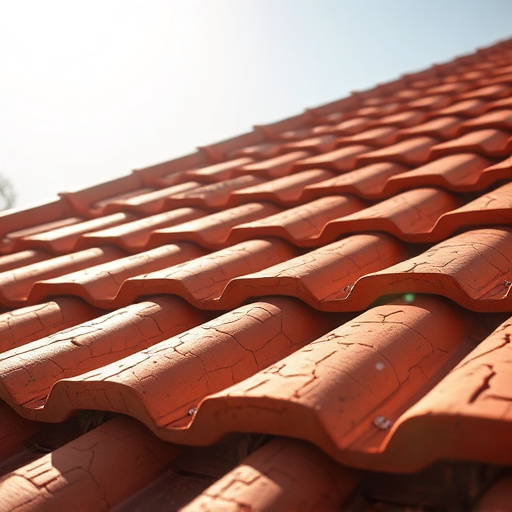
In the scorching sun of Tucson, a roof inspection goes beyond a surface check. The intense heat and UV exposure can accelerate roof aging, making it crucial to understand their impact during an inspection. This guide examines the intricacies of a Tucson roof inspection, revealing what to expect and how to interpret the findings, especially regarding sun, heat, and UV damage. By understanding these factors, homeowners and investors can make informed decisions, ensuring a roof's longevity and value. We'll explore practical tips for reading a roof inspection report, helping you navigate the process with confidence, and ultimately, make the best choices for your property.
- Understanding Tucson's Unique Roof Challenges
- How UV Exposure Affects Your Roof's Health
- Decoding a Roof Inspection Report: Key Findings
Understanding Tucson's Unique Roof Challenges
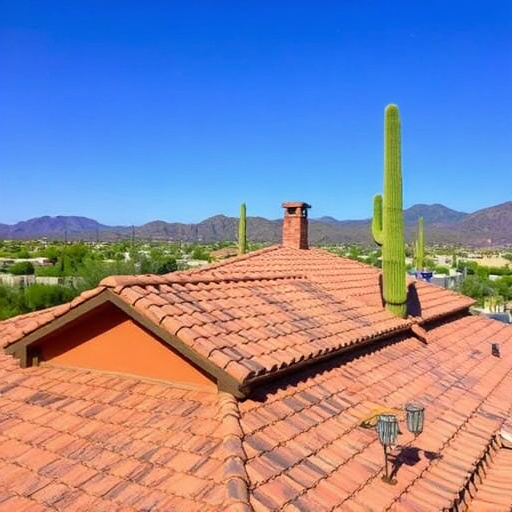
Tucson's unique climate presents distinct challenges for roof inspections. The intense sun, high heat, and UV exposure can significantly impact a roof's condition and lifespan. During a typical inspection, a licensed Tucson roofing contractor will closely examine these factors, as they play a pivotal role in determining the overall health of a roof. The intense summer heat can accelerate the aging process of materials, especially in flat or low-sloped roofs, which are more prone to heat-related damage.
Moisture meters are essential tools in a roofer's arsenal, as they help identify potential leaks and moisture infiltration. In arid climates like Tucson, where evaporation rates are high, identifying subtle signs of moisture is crucial. A professional inspector will use these tools to check for any signs of water intrusion, especially around parapets and roof valleys, common areas for leaks. A moisture meter might detect a persistent leak in a recently installed tile roof, revealing a problem before it becomes a costly repair.
The inspection report is a critical document that details the roof's condition. A skilled inspector will provide a comprehensive analysis, highlighting areas of concern and potential issues related to the sun, heat, and UV exposure. The report might note the degradation of certain materials, like UV-sensitive underlayments or coatings, and recommend replacement or reinforcement. By understanding these findings, homeowners and buyers can make informed decisions, ensuring their investment is protected.
How UV Exposure Affects Your Roof's Health
UV exposure is a critical factor that can significantly impact the health and longevity of your roof. In the sunny climate of Tucson, where the sun shines brightly year-round, understanding how UV radiation affects your roofing materials is essential for any homeowner or property manager. A thorough roof inspection should always consider these factors, and reading a roof inspection report will reveal key insights into the condition of your roof, especially regarding UV damage.
During a Tucson roof inspection, experts will closely examine the underlayment, a crucial layer that provides an extra barrier against the elements. Over time, UV radiation can degrade this material, causing it to become brittle and crack. These cracks can lead to water penetration and other issues. Inspectors will look for signs of aging and disintegration, which may indicate the need for replacement. A licensed Arizona roofer might note that the underlayment has turned a lighter color, a clear sign of UV damage. Similarly, the condition of your roof's parapet walls and attic space is also evaluated. Parapet walls, which often project above the roofline, can be vulnerable to UV-induced deterioration, especially if they are made of materials like wood or painted substances. In the attic, UV exposure can lead to the premature aging of insulation and other materials, affecting the overall energy efficiency of your home.
The inspection process includes a meticulous check for signs of moisture, which is often an indicator of underlying problems. UV exposure can cause the degradation of seals and coatings, leading to water leakage. By reading a roof inspection report, you can gain a comprehensive understanding of the roof's health and potential issues. This includes identifying areas where UV damage is likely to occur, such as exposed metal components or areas with poor ventilation. Regular inspections, especially before and after monsoon seasons and after extreme weather events like dust storms, are crucial for maintaining the integrity of your roof. These inspections help in making informed decisions, whether it's a simple repair or a complete roof replacement, ensuring your home remains protected from the harsh Arizona sun.
Decoding a Roof Inspection Report: Key Findings
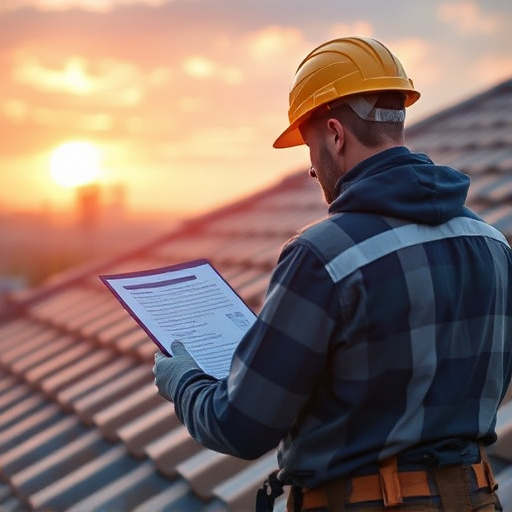
When a roof inspector from a licensed Tucson roofer with an Arizona ROC license walks onto your property, they're not just looking for damage-they're decoding a complex story written on your roof by the sun, heat, and UV exposure. In this environment, even the smallest details can have significant implications.
Let's break down what a roof inspection report reveals about these factors. First, drone photos provide a bird's-eye view, allowing the inspector to assess the overall condition of the roof, look for signs of wear and tear, and identify areas that may require closer inspection. They can spot missing or damaged shingles, exposed underlayment, and even water stains from a distance, clues that point to potential problems. On the ground, the inspector will scrutinize key components like scuppers (the drains on your roof), ensuring they're clear of debris and functioning properly. Clogged scuppers can lead to water buildup and leaks, so their condition is crucial.
During a pre-monsoon or post-hail inspection, the focus shifts to identifying vulnerabilities. The intense sun and heat in Tucson can accelerate the aging of shingles and underlayment, so the inspector will look for signs of degradation, especially in areas exposed to direct sunlight. UV exposure can cause the deterioration of synthetic underlayments, making them more susceptible to tears and leaks. A knowledgeable inspector will know to check for these signs and communicate them in your report.
Understanding the findings in your inspection report is vital. It's not just a list of repairs; it's a snapshot of your roof's current state, a guide to potential future issues, and a record of the professional assessment you can refer back to. By decoding this report, you can make informed decisions about maintenance, repairs, and even the remaining life expectancy of your roof.
Frequently Asked Questions About an explainer on how sun, heat and UV exposure in Tucson show up during a roof inspection
What are the unique challenges posed by Tucson's climate for roof inspections? Tucson's climate, characterized by intense sun, high heat, and UV radiation, demands a tailored approach during roof inspections. These conditions can accelerate the degradation of roofing materials, making it crucial for inspectors to be vigilant. The heat can cause asphalt shingles to become brittle, while UV exposure breaks down the polymers in synthetic roofing. Inspectors must look for signs of early failure, such as cracks or discoloration, to ensure the roof's longevity.
How does the sun's intensity affect different types of roofs? The sun's intense radiation can impact various roofing materials differently. Tile roofs, for instance, may show signs of cracking or fading due to prolonged sun exposure. Metal roofs can become hot to the touch, requiring specific inspection techniques to assess potential damage from heat buildup. Inspectors should consider the roof's age, material, and installation quality to predict how the sun's intensity affects its overall condition.
What are the key indicators of UV damage during a Tucson roof inspection? Look for discoloration, which can range from light bleaching to dark spots, indicating the breakdown of roofing materials by UV radiation. Cracking, especially in flexible materials like asphalt or EPDM (ethylene propylene diene monomer), is another clear sign. Inspectors should also check for blisters or bubbles under the surface, which can be early indicators of delamination caused by UV exposure.
How does heat affect a roof's structural integrity? High temperatures can cause roofs to expand and contract, leading to potential structural issues over time. This thermal movement can cause loose or missing shingles, flashing damage, or even warping of the roof deck. Inspectors should pay close attention to the roof's edges and valleys, where heat-related damage is more likely to occur, and check for signs of water intrusion resulting from these weaknesses.
Are there specific safety precautions for inspecting roofs in Tucson's climate? Absolutely. Inspectors should wear appropriate protective gear, including UV-blocking sunglasses and clothing, to minimize sun exposure. Staying hydrated and taking breaks in shaded areas are essential to combat the heat. Using specialized equipment, such as infrared cameras, can help identify heat-related issues and areas of concern, ensuring a thorough and safe inspection.
As we've explored the unique roof challenges of Tucson, from the intense sun and heat to the specific UV exposure, it's clear that a thorough roof inspection is crucial. Decoding a roof inspection report is key to understanding the health of your roof and making informed decisions. By regularly reading a roof inspection report, homeowners and property managers can catch potential issues early, such as moisture damage, UV-induced degradation, or underlayment problems. This proactive approach, backed by Tucson's local building codes and industry best practices, ensures that your roof is protected and that any necessary repairs or replacements are addressed in a timely manner. Armed with this knowledge, you're better equipped to navigate the inspection process, negotiate results, and maintain the longevity of your roof, whether it's a historic home or a commercial property.
Tucson's sun, heat, and UV exposure significantly impact roof condition and lifespan. A licensed roofer inspects for:
- Aging materials: UV damage to underlayments, tiles, and coatings.
- Moisture: Leaks and infiltration, crucial in arid climates.
- Structural integrity: Scuppers, parapets, and attic spaces vulnerable to UV.
The roof inspection report details these findings, guiding homeowners on repairs, maintenance, and expected lifespan. Regular inspections, especially post-extreme weather, ensure roof protection against harsh conditions.